Cyphostemma cyphopetalum
Cyphostemma cyphopetalum · Accepted scientific name
Scientific literature: Very Sparse (7 studies) · ★☆☆☆☆
, scientifically known as Cyphostemma cyphopetalum, is a remarkable medicinal plant valued for its unique therapeutic properties. Often found in specific ecological niches, this species is traditionally utilized in herbal medicine to address various ailments. Understanding its botanical characteristics and bioactive compounds is essential for exploring its profound healing potential.
- Family
- Vitaceae
- Native range
- Africa
- Parts used
- Root
- Common names
- Not available
- Scientific synonyms
- Vitis Cyphopetala · Cissus Cyphopetala
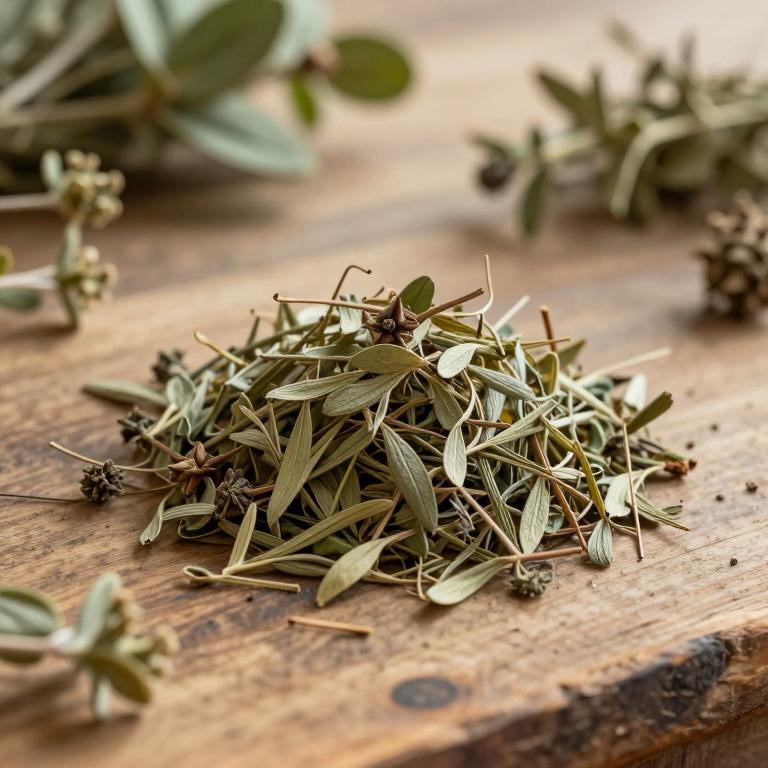
Names and Synonyms
Scientific Names
Accepted name
Cyphostemma cyphopetalumSynonyms
- Vitis cyphopetala
- Cissus cyphopetala
Sources: Wikidata
Taxonomical Classification
This plant belongs to the kingdom Plantae and is classified under the phylum Streptophyta within the class Equisetopsida. As a member of the subclass Magnoliidae and the order Vitales, it is further categorized into the family Vitaceae. Its specific taxonomic identification is completed by its placement in the genus Cyphostemma.
| Rank | Classification |
|---|---|
| Kingdom | Plantae |
| Phylum | Streptophyta |
| Class | Equisetopsida |
| Subclass | Magnoliidae |
| Order | Vitales |
| Family | Vitaceae |
| Genus | Cyphostemma |
Sources: The World Checklist of Vascular Plants (WCVP)
Distribution
This plant is primarily concentrated within the West-Central Tropical Africa region. Specifically, its presence has been documented in the country of Burundi. It can also be found growing throughout the Central African Republic. Furthermore, the species is distributed across Cameroon and Rwanda. Finally, its geographical range extends into the Democratic Republic of the Congo.
| Region | Area |
|---|---|
| West-Central Tropical Africa | Burundi |
| West-Central Tropical Africa | Central African Republic |
| West-Central Tropical Africa | Cameroon |
| West-Central Tropical Africa | Rwanda |
| West-Central Tropical Africa | DR Congo |
| Northeast Tropical Africa | Chad |
| Northeast Tropical Africa | Djibouti |
| Northeast Tropical Africa | Eritrea |
| Northeast Tropical Africa | Ethiopia |
| Northeast Tropical Africa | Somalia |
Sources: The World Checklist of Vascular Plants (WCVP)
Botanical Identification
Ecology
The ecology of Cyphostemma cyphopetalum is characterized by its preference for diverse terrestrial ecosystems, where it thrives within various vegetation structures. It is commonly found distributed across grasslands, bushlands, thickets, and woodlands, indicating an ability to adapt to both open, sun-exposed landscapes and more densely vegetated environments. This range of habitats suggests a resilience to varying levels of canopy cover and competitive interactions among different plant communities, allowing it to occupy niches ranging from open herbaceous layers to the more complex, woody understories of scrublands and forested areas.
- Habitat :
- grassland, bushland, thicket, woodland
Life history
The life history of Cyphostemma cyphopetalum is characterized by its status as a perennial plant, meaning it persists through multiple growing seasons rather than completing its cycle in a single year. In terms of its structural growth strategy and life form, the species is classified as a phanerophyte, specifically exhibiting the characteristics of a nanophanerophyte, which indicates that its perennating buds are located above the ground on short shoots. This phanerophyte classification underscores its ability to maintain its vegetative structure above the substrate throughout its extended lifespan.
- Life form :
- phanerophyte
- Lifecycle :
- perennial
Morphology
The morphology of Cyphostemma cyphopetalum is characterized by its distinct growth form and structural habits. It functions as a non-woody herb, exhibiting a soft, succulent, or flexible stem structure rather than a rigid, lignified one. In terms of its climbing mechanism, the plant is categorized as an obligatory climber, specifically manifesting as a vine or liana that relies on external supports to ascend, rather than being self-supporting.
- Climber :
- vine
- Climber :
- obligatory
- Growth form :
- herb
- Woodiness :
- non-woody
Sources: Global Inventory of Floras and Traits (GIFT)
Plant Parts
Cyphostemma cyphopetalum has 1 reported plant parts identified across 1 scientific publications and several other databases that are studied for medicinal purposes. The most consistently reported plant part include root.
| Plant part | Supporting sources | Consensus |
|---|---|---|
| Root | 1 supporting sources | ★☆☆☆☆ |
Root
- Advances and applications in bioinformatics and chemistry : AABC
Chemicals
Cyphostemma cyphopetalum has 2 reported phytochemicals identified across 1 scientific publications and several other databases. The most consistently reported chemicals include Gnetin H, trans-resveratrol.
| Chemical | Supporting sources | Consensus |
|---|---|---|
| Gnetin H | 1 supporting sources | ★☆☆☆☆ |
| trans-resveratrol | 1 supporting sources | ★☆☆☆☆ |
Gnetin H
- Advances and applications in bioinformatics and chemistry : AABC
trans-resveratrol
- Advances and applications in bioinformatics and chemistry : AABC
Activities
Cyphostemma cyphopetalum has 2 reported activities identified across 1 scientific publications and several other databases. The most consistently reported activities include Antibacterial, Antioxidant.
| Activity | Supporting sources | Consensus |
|---|---|---|
| Antibacterial | 1 supporting sources | ★☆☆☆☆ |
| Antioxidant | 1 supporting sources | ★☆☆☆☆ |
Antibacterial
- Advances and applications in bioinformatics and chemistry : AABC
Antioxidant
- Advances and applications in bioinformatics and chemistry : AABC
Conditions
Cyphostemma cyphopetalum has 2 reported investigations on conditions identified across 1 scientific publications and several other databases. The most consistently reported conditions include rabies, snakebite envenomation.
| Condition | Supporting sources | Consensus |
|---|---|---|
| Rabies | 1 supporting sources | ★☆☆☆☆ |
| Snakebite envenomation | 1 supporting sources | ★☆☆☆☆ |
Rabies
- Journal of ethnobiology and ethnomedicine
Snakebite envenomation
- Tropical medicine and health