Cynoglossum clandestinum
Cynoglossum clandestinum · Accepted scientific name
Scientific literature: Very Sparse (4 studies) · ★☆☆☆☆
, scientifically known as Cynoglossum clandestinum, is a versatile medicinal herb valued in traditional healing practices. Often found in tropical regions, this plant possesses unique bioactive properties used to treat various ailments. Understanding its botanical characteristics and therapeutic potential is essential for exploring its role in natural pharmacology.
- Family
- Boraginaceae
- Native range
- Europe
- Parts used
- Leaf
- Common names
- Not available
- Scientific synonyms
- Cynoglossum Fulvum · Cynoglossum Tomentosum · 1 more
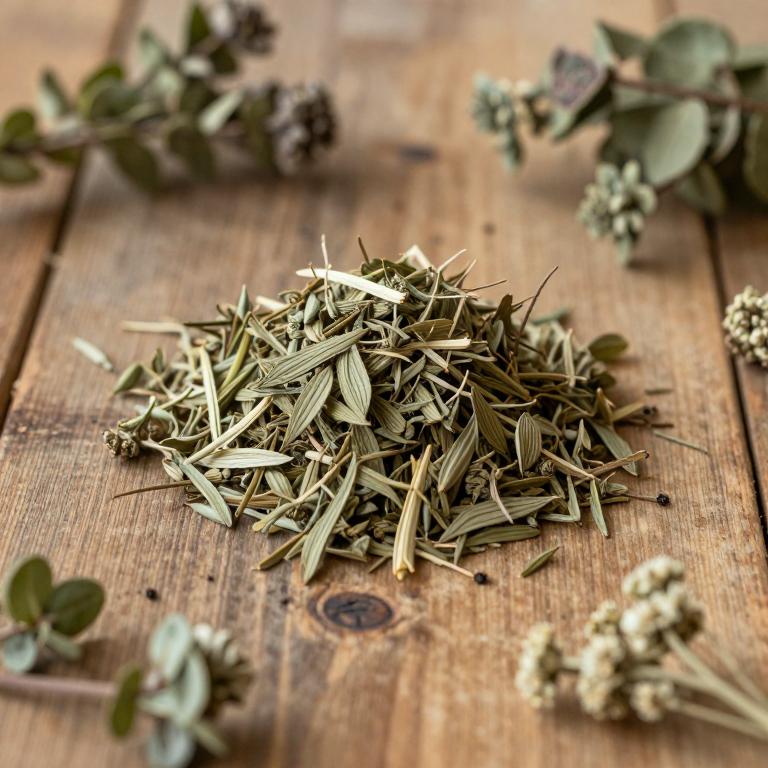
Names and Synonyms
Scientific Names
Accepted name
Cynoglossum clandestinumSynonyms
- Cynoglossum fulvum
- Cynoglossum tomentosum
- Cynoglossum clandestinum var. fallax
Sources: Wikidata, Catalogue of Life
Taxonomical Classification
This plant belongs to the kingdom Plantae and is classified under the phylum Streptophyta and the class Equisetopsida. Within the subclass Magnoliidae, it is further categorized under the order Boraginales and the family Boraginaceae. Finally, its specific taxonomic identity is defined by the genus Cynoglossum.
| Rank | Classification |
|---|---|
| Kingdom | Plantae |
| Phylum | Streptophyta |
| Class | Equisetopsida |
| Subclass | Magnoliidae |
| Order | Boraginales |
| Family | Boraginaceae |
| Genus | Cynoglossum |
Sources: The World Checklist of Vascular Plants (WCVP)
Distribution
This plant exhibits a diverse geographical range across several distinct regions. In Southwestern Europe, its presence is documented in Portugal, Spain, and the island of Sardegna. Its distribution extends into Southeastern Europe, specifically within the territory of Sicilia. Furthermore, the species can be found across the Mediterranean in Northern Africa, particularly in Algeria. Collectively, these locations highlight its preference for the coastal and Mediterranean climates of these areas.
| Region | Area |
|---|---|
| Southwestern Europe | Portugal |
| Southwestern Europe | Sardegna |
| Southwestern Europe | Spain |
| Southeastern Europe | Sicilia |
| Northern Africa | Algeria |
| Northern Africa | Libya |
| Northern Africa | Morocco |
| Northern Africa | Tunisia |
Sources: The World Checklist of Vascular Plants (WCVP)
Botanical Identification
Life history
The life history of Cynoglossum clandestinum is characterized by a biennial lifecycle, meaning it typically completes its biological processes over a period of two years. In terms of its structural growth and survival strategy, the plant is classified as a hemicryptophyte, a life form where the perennating buds are located at the soil surface, protected by residual plant matter or leaf litter. This hemicryptophytic habit allows the species to persist through unfavorable seasons while maintaining its ability to regenerate during optimal growing conditions.
- Life form :
- hemicryptophyte
- Lifecycle :
- biennial
Morphology
The morphology of Cynoglossum clandestinum is characterized by its growth form as a herb, exhibiting a predominantly non-woody structure. It functions as a clambering plant, possessing the capacity to be self-supporting through its growth habit, which can be described as a liana or a vine. This climbing mechanism allows the plant to navigate its environment effectively, utilizing its flexible, non-woody stems to ascend or spread across surrounding vegetation.
- Climber :
- self-supporting
- Growth form :
- herb
- Woodiness :
- non-woody
Sources: Global Inventory of Floras and Traits (GIFT)
Plant Parts
Cynoglossum clandestinum has 1 reported plant parts identified across 1 scientific publications and several other databases that are studied for medicinal purposes. The most consistently reported plant part include leaf.
| Plant part | Supporting sources | Consensus |
|---|---|---|
| Leaf | 1 supporting sources | ★☆☆☆☆ |
Leaf
- Biomedical chromatography : BMC
Chemicals
Cynoglossum clandestinum has 1 reported phytochemicals identified across 1 scientific publications and several other databases. The most consistently reported chemicals include Trachelanthamine.
| Chemical | Supporting sources | Consensus |
|---|---|---|
| Trachelanthamine | 1 supporting sources | ★☆☆☆☆ |
Trachelanthamine
- Biomedical chromatography : BMC
Activities
Cynoglossum clandestinum has 2 reported activities identified across 1 scientific publications and several other databases. The most consistently reported activities include Carcinogenic, Hepatotoxic.
| Activity | Supporting sources | Consensus |
|---|---|---|
| Carcinogenic | 1 supporting sources | ★☆☆☆☆ |
| Hepatotoxic | 1 supporting sources | ★☆☆☆☆ |
Carcinogenic
- Biomedical chromatography : BMC
Hepatotoxic
- Biomedical chromatography : BMC
Preparations
Cynoglossum clandestinum has 1 reported preparations identified across 1 scientific publications and several other databases. The most consistently reported preparations include Dried plant material.
| Preparation | Supporting sources | Consensus |
|---|---|---|
| Dried plant material | 1 supporting sources | ★☆☆☆☆ |
Dried plant material
- Biomedical chromatography : BMC