strangle-vine
Cynanchum · Accepted scientific name
Scientific literature: Very Sparse (6 studies) · ★☆☆☆☆
Strangle-vine, scientifically known as Cynanchum, is a versatile genus of climbing plants celebrated in traditional medicine. Renowned for its diverse bioactive compounds, various species are utilized to treat ailments ranging from skin conditions to inflammatory issues. Exploring its therapeutic potential offers fascinating insights into natural pharmacology and botanical healing.
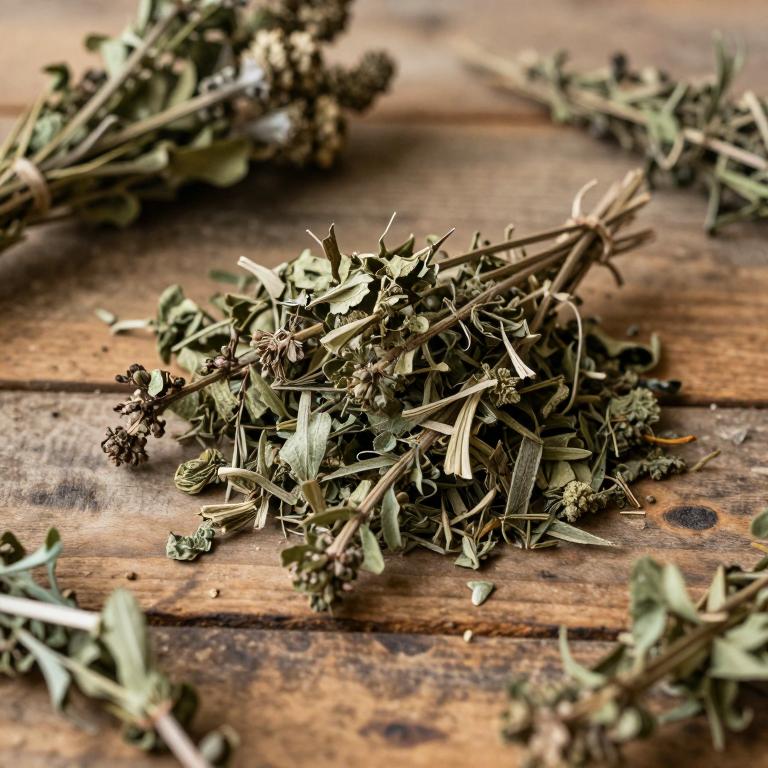
Names and Synonyms
Common Names
- strangle-vine
- swallowwort
- Buckhorns
- Dog-strangling Vine
Scientific Names
Accepted name
CynanchumSynonyms
- Ampelamus
- Seshagiria
- Pycnoneurum
- Perianthostelma
- Sarcostemma
- Odontanthera
- Nematuris
- Monostemma
- Metaplexis
- Mastostigma
- Mellichampia
- Metalepis
- Karimbolea
- Folotsia
- Holostemma
- Exostegia
- Flanagania
- Bunburia
- Drepanostemma
- Graphistemma
- Decanemopsis
- Adelostemma
- Aphanostelma
- Gilgia
- Urostelma
- Glossonema
- Rouliniella
- Sichuania
- Sarmasikia
- Schizocorona
- Symphyoglossum
- Dicarpophora
- Steinheilia
- Telminostelma
- Voharanga
- Vohemaria
- Pentarrhinum
- Mahafalia
- Platykeleba
- Prosopostelma
- Nematostemma
- Rhodostegiella
- Raphistemma
- Sarcocyphula
Regional and Traditional Names
Spanish:
- Alexitoxicon
- Enslenia
- Cyathella
- Drepanostemma
- Bunburia
- Cynoctonum
- Monostemma
- Mahafalia
- Pycnoneurum
- Mellichampia
- Pycnostelma
- Endotropis
- Prosopostelma
- Folotsia
- Decanema
- Flanagania
- Talayotes
Sources: Wikidata, Catalogue of Life
Taxonomical Classification
This plant belongs to the kingdom Plantae and the phylum Streptophyta, falling under the class Equisetopsida and subclass Magnoliidae. Within the order Gentianales, it is classified under the family Apocynaceae. Finally, it is identified by its specific genus, Cynanchum.
| Rank | Classification |
|---|---|
| Kingdom | Plantae |
| Phylum | Streptophyta |
| Class | Equisetopsida |
| Subclass | Magnoliidae |
| Order | Gentianales |
| Family | Apocynaceae |
| Genus | Cynanchum |
Sources: The World Checklist of Vascular Plants (WCVP)
Distribution
This plant exhibits a specific distribution pattern across several regions of Southern and Southeastern Europe. In Southwestern Europe, it can be found inhabiting various landscapes within France and Portugal. Its presence is also well-documented throughout Spain and the Baleares islands. Moving toward the Balkan Peninsula, the species extends its range into Southeastern Europe. Specifically, it has been identified growing within the borders of Albania.
| Region | Area |
|---|---|
| Southwestern Europe | Baleares |
| Southwestern Europe | France |
| Southwestern Europe | Portugal |
| Southwestern Europe | Spain |
| Southeastern Europe | Albania |
| Southeastern Europe | Bulgaria |
| Southeastern Europe | Greece |
| Southeastern Europe | Italy |
| Southeastern Europe | Kriti |
| Southeastern Europe | Romania |
Sources: The World Checklist of Vascular Plants (WCVP)
Plant Parts
Cynanchum has 2 reported plant parts identified across 2 scientific publications and several other databases that are studied for medicinal purposes. The most consistently reported plant part include rhizome, root.
| Plant part | Supporting sources | Consensus |
|---|---|---|
| Rhizome | 1 supporting sources | ★☆☆☆☆ |
| Root | 1 supporting sources | ★☆☆☆☆ |
Rhizome
- Chinese journal of natural medicines
Root
- Chinese journal of natural medicines
Chemicals
Cynanchum has 4 reported phytochemicals identified across 2 scientific publications and several other databases. The most consistently reported chemicals include Cyclic peptides, Phenols, Steroids, triterpenoids.
| Chemical | Supporting sources | Consensus |
|---|---|---|
| Cyclic peptides | 1 supporting sources | ★☆☆☆☆ |
| Phenols | 1 supporting sources | ★☆☆☆☆ |
| Steroids | 1 supporting sources | ★☆☆☆☆ |
| triterpenoids | 1 supporting sources | ★☆☆☆☆ |
Cyclic peptides
- Natural products and bioprospecting
Phenols
- Natural products and bioprospecting
Steroids
- Natural products and bioprospecting
triterpenoids
- Natural products and bioprospecting
Preparations
Cynanchum has 1 reported preparations identified across 2 scientific publications and several other databases. The most consistently reported preparations include extracts of the root and/or rhizome parts.
| Preparation | Supporting sources | Consensus |
|---|---|---|
| Extracts of the root and/or rhizome parts | 1 supporting sources | ★☆☆☆☆ |
Extracts of the root and/or rhizome parts
- Chinese journal of natural medicines