Cymbopogon schoenanthus subsp. proximus
Cymbopogon schoenanthus subsp. proximus · Accepted scientific name
Scientific literature: Very Sparse (35 studies) · ★☆☆☆☆
, scientifically known as Cymbopegon schoenanthus subsp. proximus, is a distinctive medicinal grass valued for its therapeutic properties. Renowned for its aromatic profile, this subspecies is frequently utilized in traditional wellness practices to address various ailments, offering unique bioactive compounds that contribute to its significant role in herbal pharmacology.
- Family
- Poaceae
- Native range
- Africa
- Parts used
- Not available
- Common names
- Not available
- Scientific synonyms
- Cymbopogon Proximus · Andropogon Schoenanthus Subsp. Proximus · 10 more
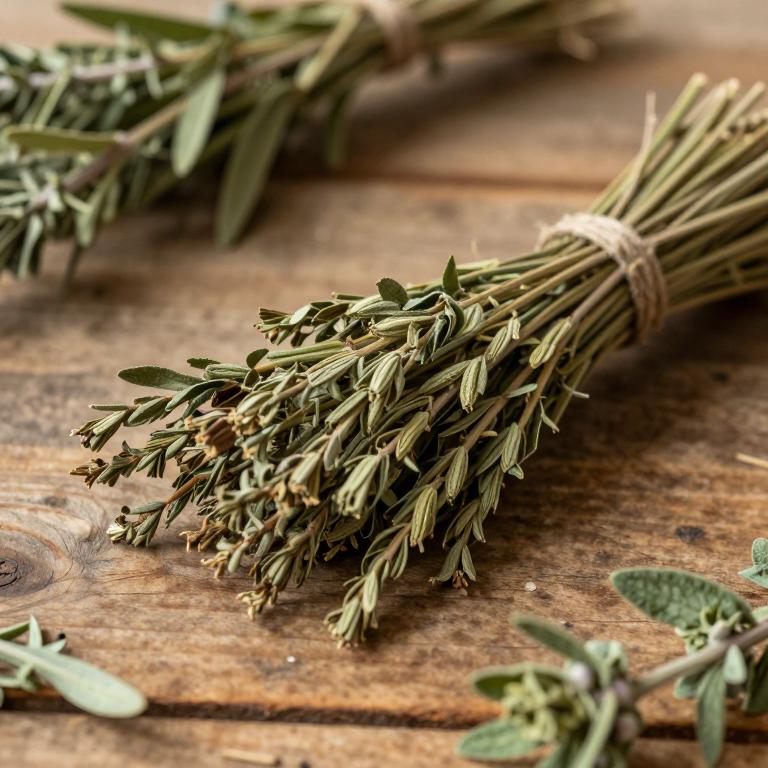
Names and Synonyms
Scientific Names
Accepted name
Cymbopogon schoenanthus subsp. proximusSynonyms
- Cymbopogon proximus
- Andropogon schoenanthus subsp. proximus
- Andropogon jwarancusa var. proximus
- Gymnanthelia proxima
- Andropogon sennarensis
- Gymnanthelia sennarensis
- Cymbopogon proximus var. sennarensis
- Andropogon schoenanthus var. proximus
- Cymbopogon sennarensis
- Cymbopogon sennarensis var. proximus
- Andropogon proximus
- Andropogon jwarancusa var. sennarensis
Taxonomical Classification
This plant belongs to the kingdom Plantae and the phylum Streptophyta, falling under the class Equisetopsida and subclass Magnoliidae. Within the order Poales and family Poaceae, it is classified under the genus Cymbopogon. Specifically, it is identified as the subspecies proximus of the species Cymbopogon schoenanthus.
| Rank | Classification |
|---|---|
| Kingdom | Plantae |
| Phylum | Streptophyta |
| Class | Equisetopsida |
| Subclass | Magnoliidae |
| Order | Poales |
| Family | Poaceae |
| Genus | Cymbopogon |
Sources: The World Checklist of Vascular Plants (WCVP)
Distribution
This plant exhibits a specific distribution across the northern reaches of the African continent. Its presence is documented within the diverse landscapes of Algeria and Egypt. Additionally, the species can be found spanning the territories of Libya and Morocco. The range also extends into the region of Western Sahara. Together, these locations define the primary geographical footprint of this particular subspecies.
| Region | Area |
|---|---|
| Northern Africa | Algeria |
| Northern Africa | Egypt |
| Northern Africa | Libya |
| Northern Africa | Morocco |
| Northern Africa | Western Sahara |
| West Tropical Africa | Benin |
| West Tropical Africa | Burkina |
| West Tropical Africa | Ghana |
| West Tropical Africa | Guinea |
| West Tropical Africa | Ivory Coast |
Sources: The World Checklist of Vascular Plants (WCVP)
Chemicals
Cymbopogon schoenanthus subsp. proximus has 20 reported phytochemicals identified across 0 scientific publications and several other databases. The most consistently reported chemicals include 4-aminobutyrate, Cyanidin, DI-N-OCTYL PHTHALATE, Linoelaidic acid, Monoterpenes.
| Chemical | Supporting sources | Consensus |
|---|---|---|
| 4-aminobutyrate | 1 supporting sources | ★☆☆☆☆ |
| Cyanidin | 1 supporting sources | ★☆☆☆☆ |
| DI-N-OCTYL PHTHALATE | 1 supporting sources | ★☆☆☆☆ |
| Linoelaidic acid | 1 supporting sources | ★☆☆☆☆ |
| Monoterpenes | 1 supporting sources | ★☆☆☆☆ |
| PIPERITONE | 1 supporting sources | ★☆☆☆☆ |
| Proximadiol | 1 supporting sources | ★☆☆☆☆ |
| alanine | 1 supporting sources | ★☆☆☆☆ |
| apigenin | 1 supporting sources | ★☆☆☆☆ |
| caffeic acid | 1 supporting sources | ★☆☆☆☆ |
4-aminobutyrate
- Physiology and molecular biology of plants : an international journal of functional plant biology
Cyanidin
- Scientific reports
DI-N-OCTYL PHTHALATE
- Zeitschrift fur Naturforschung. C, Journal of biosciences
Linoelaidic acid
- Zeitschrift fur Naturforschung. C, Journal of biosciences
Monoterpenes
- Antibiotics (Basel, Switzerland)
PIPERITONE
- Antibiotics (Basel, Switzerland)
Proximadiol
- Physiology and molecular biology of plants : an international journal of functional plant biology
alanine
- Physiology and molecular biology of plants : an international journal of functional plant biology
apigenin
- Scientific reports
caffeic acid
- Scientific reports
Activities
Cymbopogon schoenanthus subsp. proximus has 7 reported activities identified across 0 scientific publications and several other databases. The most consistently reported activities include Antioxidant, Antibacterial, Antifungal, Antimicrobial, Diuretic.
| Activity | Supporting sources | Consensus |
|---|---|---|
| Antioxidant | 3 supporting sources | ★★☆☆☆ |
| Antibacterial | 1 supporting sources | ★☆☆☆☆ |
| Antifungal | 1 supporting sources | ★☆☆☆☆ |
| Antimicrobial | 1 supporting sources | ★☆☆☆☆ |
| Diuretic | 1 supporting sources | ★☆☆☆☆ |
| Hypoglycemic | 1 supporting sources | ★☆☆☆☆ |
| Hypolipidemic | 1 supporting sources | ★☆☆☆☆ |
Antioxidant
- Food chemistry
- Scientific reports
- Antibiotics (Basel, Switzerland)
Antibacterial
- Food chemistry
Antifungal
- Antibiotics (Basel, Switzerland)
Antimicrobial
- Saudi journal of biological sciences
Diuretic
- Physiology and molecular biology of plants : an international journal of functional plant biology
Hypoglycemic
- Scientific reports
Hypolipidemic
- Scientific reports
Conditions
Cymbopogon schoenanthus subsp. proximus has 1 reported investigations on conditions identified across 0 scientific publications and several other databases. The most consistently reported conditions include diuretic.
| Condition | Supporting sources | Consensus |
|---|---|---|
| Diuretic | 1 supporting sources | ★☆☆☆☆ |
Diuretic
- Physiology and molecular biology of plants : an international journal of functional plant biology
Preparations
Cymbopogon schoenanthus subsp. proximus has 10 reported preparations identified across 0 scientific publications and several other databases. The most consistently reported preparations include Essential oils, Ethanol extracts, aqueous suspension, extracted - by maceration method, gel.
| Preparation | Supporting sources | Consensus |
|---|---|---|
| Essential oils | 1 supporting sources | ★☆☆☆☆ |
| Ethanol extracts | 1 supporting sources | ★☆☆☆☆ |
| Aqueous suspension | 1 supporting sources | ★☆☆☆☆ |
| Extracted - by maceration method | 1 supporting sources | ★☆☆☆☆ |
| Gel | 1 supporting sources | ★☆☆☆☆ |
| Methanolic extract from the aerial parts | 1 supporting sources | ★☆☆☆☆ |
| Non-polar extract | 1 supporting sources | ★☆☆☆☆ |
| Polar extracts | 1 supporting sources | ★☆☆☆☆ |
| Sprouts | 1 supporting sources | ★☆☆☆☆ |
| Water extracts | 1 supporting sources | ★☆☆☆☆ |
Essential oils
- Antibiotics (Basel, Switzerland)
Ethanol extracts
- Veterinary medicine and science
Aqueous suspension
- Toxicology
Extracted - by maceration method
- Saudi journal of biological sciences
Gel
- Saudi journal of biological sciences
Methanolic extract from the aerial parts
- Scientific reports
Non-polar extract
- Physiology and molecular biology of plants : an international journal of functional plant biology
Polar extracts
- Physiology and molecular biology of plants : an international journal of functional plant biology
Sprouts
- Food chemistry
Water extracts
- BMC complementary and alternative medicine