Cymbocarpum erythraeum
Cymbocarpum erythraeum · Accepted scientific name
Scientific literature: Very Sparse (6 studies) · ★☆☆☆☆
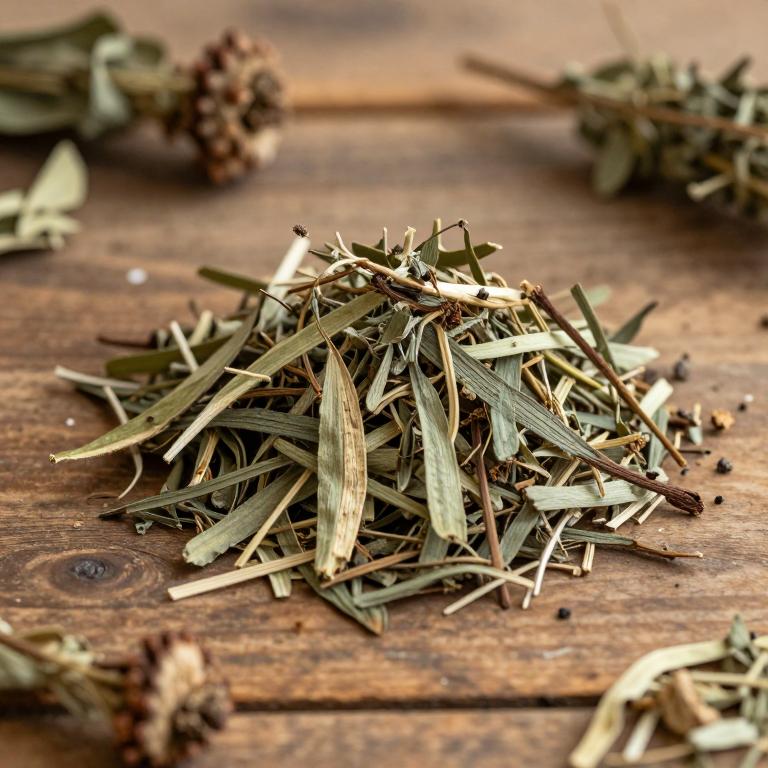
, scientifically known as Cymbocarpum erythraeum, is a remarkable medicinal shrub native to the arid regions of East Africa. Valued in traditional healing practices, this resilient plant possesses unique phytochemical properties used to treat various ailments, offering significant potential for pharmacological research into its diverse therapeutic and bioactive applications.
- Family
- Apiaceae
- Native range
- Asia-Temperate
- Parts used
- Not available
- Common names
- Not available
- Scientific synonyms
- Anethum Erythraeum
Names and Synonyms
Scientific Names
Accepted name
Cymbocarpum erythraeumSynonyms
- Anethum erythraeum
Sources: Wikidata
Taxonomical Classification
This plant belongs to the kingdom Plantae and the phylum Streptophyta, falling under the class Equisetopsida and subclass Magnoliidae. Within the order Apiales, it is classified under the family Apiaceae and the genus Cymbocarpum. Consequently, its scientific name is Cymbocarpum erythraeum.
| Rank | Classification |
|---|---|
| Kingdom | Plantae |
| Phylum | Streptophyta |
| Class | Equisetopsida |
| Subclass | Magnoliidae |
| Order | Apiales |
| Family | Apiaceae |
| Genus | Cymbocarpum |
Sources: The World Checklist of Vascular Plants (WCVP)
Distribution
This plant exhibits a specific geographical distribution concentrated within certain regions of Western Asia and the Caucasus. In the Caucasus region, it can be found specifically throughout the Transcaucasus area. Moving into Western Asia, the species has a documented presence in Iran. It is also distributed across the territory of Türkiye within the same part of the continent. Consequently, its natural habitat is limited to these particular interconnected geographical zones.
| Region | Area |
|---|---|
| Caucasus | Transcaucasus |
| Western Asia | Iran |
| Western Asia | Türkiye |
Sources: The World Checklist of Vascular Plants (WCVP)
Botanical Identification
Ecology
The ecology of Cymbocarpum erythraeum is characterized by its adaptation to rugged, high-altitude terrains, where it thrives across a broad elevational range that extends up to a maximum of 3000 m AMSL. This species is specifically found inhabiting mountains, where it colonizes shrubberies and stony places, suggesting a preference for well-drained, rocky substrates and open, sun-exposed microhabitats. Its ability to persist in these montane environments indicates a specialized tolerance for the unique climatic stressors and soil compositions typical of high-elevation shrublands and lithic landscapes.
- Elevational range max:
- 3000 m AMSL
- Habitat :
- mountains, shrubberies, stony places
Life history
The life history of Cymbocarpum erythraeum is characterized by a variable lifecycle that can manifest as an annual, biennial, or perennial plant depending on environmental conditions and habitat stability. As a species that adapts its longevity to resource availability, its developmental stages transition from seed germination through various growth phases that allow it to persist in its specific ecological niche. This variability in its lifecycle suggests a flexible reproductive strategy, enabling the plant to complete its life cycle rapidly in transient conditions or establish long-term presence in more stable environments.
- Lifecycle :
- annual
Morphology
The morphology of Cymbocarpum erythraeum is characterized by its growth form as a non-woody herb. The plant maintains a relatively low stature, with a height ranging from a minimum of 0.1 m to a maximum of 0.3 m. In terms of its structural development, the shoots exhibit an ascending orientation, contributing to its overall architectural habit.
- Growth form :
- herb
- Plant height max:
- 0.3 m
- Plant height min:
- 0.1 m
- Shoot orientation :
- ascending
- Woodiness :
- non-woody
Reproduction
The reproduction of Cymbocarpum erythraeum is characterized by a specific seasonal flowering window that dictates its reproductive cycle. The plant initiates its flowering phase in July, marking the beginning of its reproductive activity for the season. This period of anthesis continues through the subsequent month, with the flowering process reaching its conclusion in August. Consequently, the reproductive availability of this species is concentrated within this mid-year timeframe.
- Flowering time :
- Jul
- Flowering time :
- Aug
Sources: Global Inventory of Floras and Traits (GIFT)
Chemicals
Cymbocarpum erythraeum has 5 reported phytochemicals identified across 0 scientific publications and several other databases. The most consistently reported chemicals include 2-Decenol, Fatty alcohols, Isoquercetin, RUTIN, aldehydes.
| Chemical | Supporting sources | Consensus |
|---|---|---|
| 2-Decenol | 1 supporting sources | ★☆☆☆☆ |
| Fatty alcohols | 1 supporting sources | ★☆☆☆☆ |
| Isoquercetin | 1 supporting sources | ★☆☆☆☆ |
| RUTIN | 1 supporting sources | ★☆☆☆☆ |
| aldehydes | 1 supporting sources | ★☆☆☆☆ |
2-Decenol
- Turkish journal of pharmaceutical sciences
Fatty alcohols
- Natural product research
Isoquercetin
- Turkish journal of pharmaceutical sciences
RUTIN
- Turkish journal of pharmaceutical sciences
aldehydes
- Natural product research
Conditions
Cymbocarpum erythraeum has 1 reported investigations on conditions identified across 0 scientific publications and several other databases. The most consistently reported conditions include Helicobacter pylori.
| Condition | Supporting sources | Consensus |
|---|---|---|
| Helicobacter pylori | 1 supporting sources | ★☆☆☆☆ |
Helicobacter pylori
- Turkish journal of pharmaceutical sciences
Preparations
Cymbocarpum erythraeum has 3 reported preparations identified across 0 scientific publications and several other databases. The most consistently reported preparations include dried parts of the plant, extracts, hexane extract of the plant.
| Preparation | Supporting sources | Consensus |
|---|---|---|
| Dried parts of the plant | 1 supporting sources | ★☆☆☆☆ |
| Extracts | 1 supporting sources | ★☆☆☆☆ |
| Hexane extract of the plant | 1 supporting sources | ★☆☆☆☆ |
Dried parts of the plant
- Turkish journal of pharmaceutical sciences
Extracts
- Turkish journal of pharmaceutical sciences
Hexane extract of the plant
- Turkish journal of pharmaceutical sciences