Cyclopia
Cyclopia · Accepted scientific name
Scientific literature: Very Sparse (0 studies) · ★☆☆☆☆
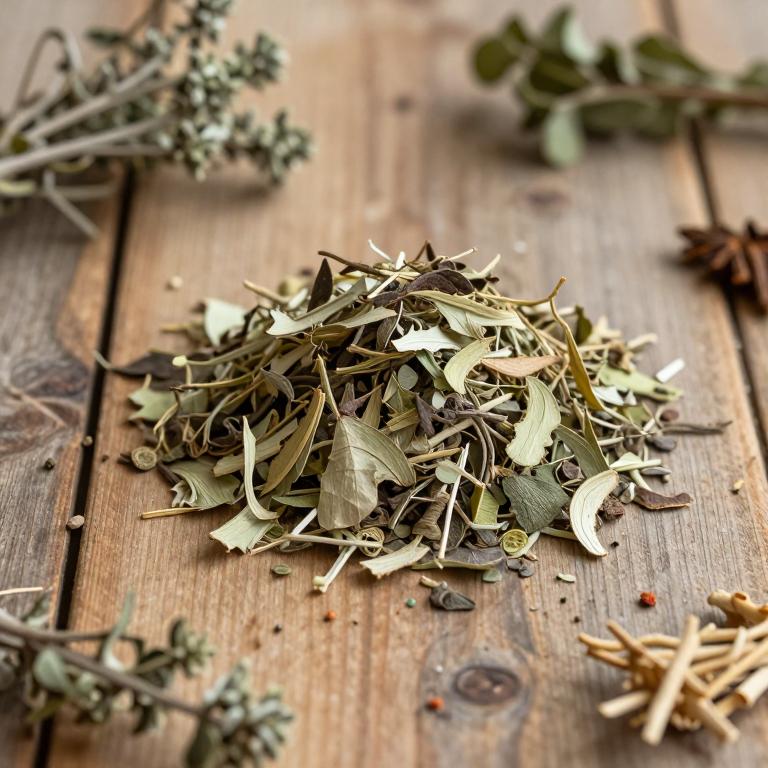
Cyclopia is a unique medicinal plant native to the diverse landscapes of South Africa. This remarkable botanical specimen is highly valued for its significant concentration of the chemical compound flavone. Many people enjoy its subtle flavors by utilizing the plant in the preparation of a soothing herbal tea. These infusions are often sought after for their potential wellness benefits and traditional healing properties. Exploring the characteristics of Cyclopia offers a fascinating glimpse into the intersection of nature and herbal medicine.
- Synonyms
- Ibbetsonia
- Common names
- Not available
- Family
- Fabaceae
- Distribution
- Not available
- Plant Parts
- Not available
Classification
Common Names
Cyclopia is a unique plant known by various names depending on the language and region. In English-speaking areas, it is most frequently referred to as Honeybush or the plural Honeybushes. Within different cultural contexts, the plant is also recognized as Honigbüsche or Honingbos. Some local traditions even identify the species as hunaikot. These diverse names highlight the widespread recognition and importance of this versatile plant.
Sources: Catalogue of Life (COL)
Synonyms
Cyclopia is a fascinating genus of plants that is often identified by its scientific synonym, Ibbetsonia. This botanical connection can sometimes cause confusion for researchers attempting to categorize the species correctly. Understanding these overlapping names is essential for maintaining accurate records within taxonomic databases. By recognizing Ibbetsonia as a synonym, botanists ensure that the history of the plant's classification remains clear. Ultimately, mastering these linguistic relationships provides a deeper insight into the complex world of plant evolution.
Sources: The World Checklist of Vascular Plants (WCVP)
Taxonomy
Cyclopia belongs to the vast kingdom Plantae, representing a diverse group of multicellular organisms. Within this kingdom, it is classified under the class Equisetopsida, showcasing its fundamental botanical structure. The plant is further organized into the order Fabales, a group that links it to various other significant species. As a member of the family Fabaceae, it shares characteristics common to many well-known legumes. Ultimately, this unique plant is defined by its specific genus, Cyclopia.
| Rank | Classification |
|---|---|
| Kingdom | Plantae |
| Phylum | Streptophyta |
| Class | Equisetopsida |
| Subclass | Magnoliidae |
| Order | Fabales |
| Family | Fabaceae |
| Genus | Cyclopia |
Sources: The World Checklist of Vascular Plants (WCVP)
Distribution
Geographic Regions
Cyclopia is a distinctive plant species primarily found within the vast landscapes of Africa. Its natural habitat is most concentrated throughout the diverse regions of Southern Africa. Within this territory, it thrives particularly well across the unique ecosystems of the Cape Provinces. This specific distribution pattern highlights the plant's close connection to the local climate and soil. Understanding these geographic boundaries is essential for studying its ecological role in the region.
Sources: The World Checklist of Vascular Plants (WCVP)
Identification
Biological Activities
Compounds
Cyclopia genistoides is a remarkable medicinal plant characterized by a complex and diverse phenolic profile. Recent chemical analyses have revealed that this species contains several unique constituents, including a newly identified flavone. Furthermore, the genus is noted for possessing high levels of the anti-allergic xanthone known as mangiferin. These bioactive compounds contribute to the plant's significant chemical complexity and potential therapeutic value. Such findings provide a deeper understanding of the chemistry behind honeybush and its ability to influence immune responses.
Conditions
Preparations
Cyclopia is widely consumed in the form of a traditional herbal tea known as honeybush. This preparation utilizes various species within the genus, including C. genistoides, C. subternata, and C. maculata. Researchers have explored the medicinal potential of these plants by preparing hot water and ethanol-water extracts to test for immune-regulating activity. Such extractions highlight the plant's role in traditional South African medicine through its consumption as a brewed beverage. These studies aim to better understand how the components found in this popular herbal tea can influence T cell responses and immunomodulation.