Cyclopia maculata
Cyclopia maculata · Accepted scientific name
Scientific literature: Very Sparse (0 studies) · ★☆☆☆☆
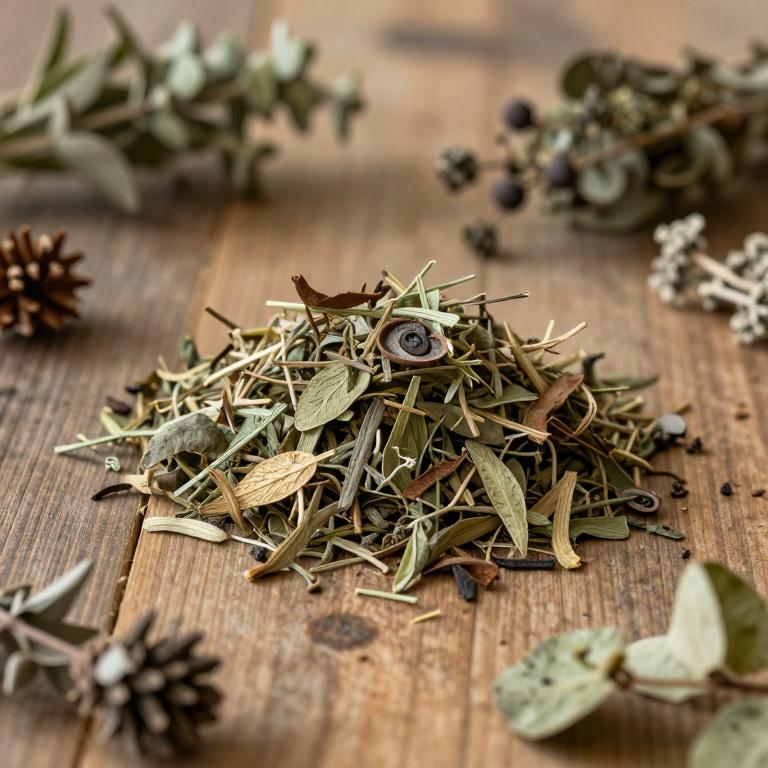
Cyclopia maculata, commonly known as honeybush, is a remarkable plant species renowned for its unique chemical profile, most notably the presence of mangiferin. Scientific investigations into its bioactive properties have highlighted its significant potential to influence metabolic processes such as adipogenesis and lipolysis. These beneficial effects can be accessed through various preparations, including hot water extracts and 40% ethanol-water (v/v) extracts. Additionally, the plant is frequently consumed as honeybush tea or through fermented, oxidized preparations to enhance its medicinal qualities. Through these diverse methods, the plant serves as a valuable natural resource for studying metabolic health.
- Synonyms
- Cyclopia Tenuifolia · Gompholobium Maculatum · 1 more
- Common names
- Not available
- Family
- Fabaceae
- Distribution
- Australasia
- Plant Parts
- Not available
Classification
Common Names
Cyclopia maculata is a versatile plant known by several distinct names across different regions and languages. It is frequently referred to as Needle-Leaf Honeybush Tea or Needle-Leaved Honeybush in English-speaking contexts. Many enthusiasts also recognize this species by its descriptive common name, Spotted Honeybush. In its native linguistic heritage, it is often called naaldblaar-heuningbostee or naaldblaarheuningbostee. Regardless of the name used, this plant remains a highly valued member of its genus.
Sources: Catalogue of Life (COL)
Synonyms
Cyclopia maculata is a botanical species that has been identified by several different names throughout scientific history. This plant is widely recognized by its various synonyms, including the classification of Cyclopia laricina. Furthermore, taxonomic records also list it under the name Cyclopia tenuifolia. In some academic contexts, the species has been referred to as Gompholobium maculatum. Understanding these shifting nomenclatures is essential for accurately documenting the plant's lineage and relationships.
Sources: The World Checklist of Vascular Plants (WCVP)
Taxonomy
Cyclopia maculata is a fascinating botanical specimen belonging to the kingdom Plantae. Within this vast biological realm, it is specifically classified under the class Equisetopsida. The plant is further organized into the order Fabales, showcasing its unique evolutionary lineage. It belongs to the diverse family Fabaceae, a group known for its significant ecological roles. Finally, this species is identified by its distinct genus, Cyclopia.
| Rank | Classification |
|---|---|
| Kingdom | Plantae |
| Phylum | Streptophyta |
| Class | Equisetopsida |
| Subclass | Magnoliidae |
| Order | Fabales |
| Family | Fabaceae |
| Genus | Cyclopia |
Sources: The World Checklist of Vascular Plants (WCVP)
Distribution
Geographic Regions
Cyclopia maculata is a distinctive species primarily found throughout the vast landscapes of Africa. Within this massive continent, its presence is most concentrated across the diverse ecosystems of Southern Africa. The plant thrives particularly well within the unique environmental conditions of the Cape Provinces. This specific regional distribution highlights its specialized adaptation to the local climate and soil. Consequently, understanding its geographic range is essential for studying its role in the regional biodiversity.
Sources: The World Checklist of Vascular Plants (WCVP)
Identification
Morphology
Cyclopia maculata is a self-supporting shrub that maintains a sturdy growth form in its natural habitat. This resilient plant typically reaches a maximum height of 2.5 meters as it matures. However, younger or smaller specimens may stand as little as 1 meter tall. These characteristics define its structural presence within the local ecosystem.
Sources: Global Inventory of Floras and Traits (GIFT)
Biological Activities
Compounds
Conditions
Cyclopia maculata demonstrates significant anti-obesity potential by inhibiting the process of adipogenesis in 3T3-L1 adipocytes. Research indicates that hot water extracts of this plant effectively prevent the formation of these fat cells. Additionally, the plant functions by stimulating lipolysis within mature 3T3-L1 adipocytes. This lipolytic effect is specifically notable in fermented versions of the extract, which can induce a substantial increase in glycerol concentration. Such dual actions on both adipogenesis and lipolysis highlight the plant's role in managing fat cell development and breakdown.
Preparations
Cyclopia maculata is prepared in several ways, including as hot water and 40% ethanol-water (v/v) extracts used to study immune-regulating activity. The plant is also commonly prepared as fermented (oxidised) material, which has shown significant results in stimulating lipolysis. Additionally, it is frequently prepared as honeybush tea, a traditional herbal beverage. Research also utilizes hot water extracts of the species to investigate its potential anti-obesity effects. These various preparation methods allow for the scientific exploration of the plant's diverse biological activities.