Cyanthillium patulum
Cyanthillium patulum · Accepted scientific name
Scientific literature: Very Sparse (16 studies) · ★☆☆☆☆
, scientifically known as Cyanthillium patulum, is a remarkable medicinal plant valued for its diverse therapeutic properties. Traditionally utilized in various healing practices, this species contains unique bioactive compounds that offer potential benefits for wellness. Exploring its chemical profile reveals significant importance for ongoing pharmacological research and natural medicine.
- Family
- Asteraceae
- Native range
- Asia-Temperate
- Parts used
- Leaf
- Common names
- Not available
- Scientific synonyms
- Cyanthillium Pubescens · Cyanopis Pubescens · 13 more
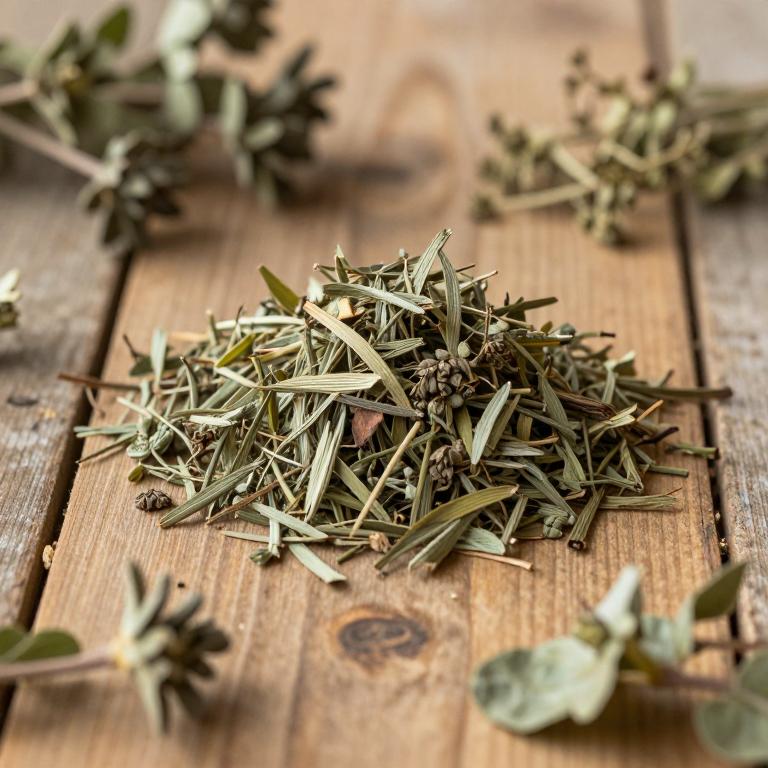
Names and Synonyms
Scientific Names
Accepted name
Cyanthillium patulumSynonyms
- Cyanthillium pubescens
- Cyanopis pubescens
- Cyanopis villosa
- Cyanthillium villosum
- Isonema ovata
- Staehelina conyzoides
- Vernonia chinensis
- Conyza patula
- Conyza punctulata
- Vernonia kawakamii
- Vernonia patula
- Cacalia accedens
- Cacalia patula
- Bothriocline papuana
- Vernonia accedens
Sources: Wikidata, Catalogue of Life
Taxonomical Classification
This plant belongs to the kingdom Plantae and the phylum Streptophyta, falling under the class Equisetopsida and subclass Magnoliidae. It is further classified within the order Asterales and the family Asteraceae. Its taxonomic identity is specifically defined by the genus Cyanthillium, with the species being Cyanthillium patulum.
| Rank | Classification |
|---|---|
| Kingdom | Plantae |
| Phylum | Streptophyta |
| Class | Equisetopsida |
| Subclass | Magnoliidae |
| Order | Asterales |
| Family | Asteraceae |
| Genus | Cyanthillium |
Sources: The World Checklist of Vascular Plants (WCVP)
Distribution
This plant exhibits a broad geographical distribution spanning several key regions across Asia. In China, it can be found throughout the South-Central and Southeast territories. Its presence extends to Eastern Asia, where it is specifically noted in Taiwan. Moving toward the Indian Subcontinent, the species is documented in the state of Assam. Furthermore, the plant is widely distributed across the country of India.
| Region | Area |
|---|---|
| China | China South-Central |
| China | China Southeast |
| Eastern Asia | Taiwan |
| Indian Subcontinent | Assam |
| Indian Subcontinent | India |
| Indian Subcontinent | West Himalaya |
| Indo-China | Cambodia |
| Indo-China | Laos |
| Indo-China | Myanmar |
| Indo-China | Nicobar Is. |
Sources: The World Checklist of Vascular Plants (WCVP)
Botanical Identification
Life history
The life history of Cyanthillium patulum is characterized by an annual lifecycle, meaning the plant completes its entire biological progression from seed germination to seed production within a single growing season. Following the onset of favorable environmental conditions, the plant emerges and undergoes a rapid period of vegetative growth, establishing its physical structure and foliage. This phase is followed by a reproductive stage where it allocates its energy toward flowering and subsequent pollination. Once fertilization is successful, the plant focuses on seed maturation, ensuring the survival of the next generation before the parent organism dies off at the conclusion of its seasonal cycle.
- Lifecycle :
- annual
Morphology
The morphology of Cyanthillium patulum is characterized by its classification as a non-woody herb, exhibiting a growth form typical of a herbaceous plant rather than a shrub or tree. It functions as a self-supporting species, lacking the obligatory or facultative climbing mechanisms found in vines. Although its habitat associations can range across aquatic and semiaquatic environments, the plant is fundamentally characterized by its terrestrial nature. Furthermore, it is strictly terrestrial in its epiphytic status, meaning it does not function as a holoepiphyte, hemiepiphyte, or any other form of epiphyte, maintaining its growth strictly upon the ground.
- Aquatic :
- terrestrial
- Climber :
- self-supporting
- Epiphyte :
- terrestrial
- Growth form :
- herb
- Woodiness :
- non-woody
Sources: Global Inventory of Floras and Traits (GIFT)
Plant Parts
Cyanthillium patulum has 1 reported plant parts identified across 1 scientific publications and several other databases that are studied for medicinal purposes. The most consistently reported plant part include leaf.
| Plant part | Supporting sources | Consensus |
|---|---|---|
| Leaf | 1 supporting sources | ★☆☆☆☆ |
Leaf
- African journal of traditional, complementary, and alternative medicines : AJTCAM
Chemicals
Cyanthillium patulum has 12 reported phytochemicals identified across 1 scientific publications and several other databases. The most consistently reported chemicals include Bauerenyl acetate, Chryseriol, Coumarins, Epifriedelanol, Ethuliacoumarin A.
| Chemical | Supporting sources | Consensus |
|---|---|---|
| Bauerenyl acetate | 1 supporting sources | ★☆☆☆☆ |
| Chryseriol | 1 supporting sources | ★☆☆☆☆ |
| Coumarins | 1 supporting sources | ★☆☆☆☆ |
| Epifriedelanol | 1 supporting sources | ★☆☆☆☆ |
| Ethuliacoumarin A | 1 supporting sources | ★☆☆☆☆ |
| Flavonoids | 1 supporting sources | ★☆☆☆☆ |
| Friedelin | 1 supporting sources | ★☆☆☆☆ |
| Isoethuliacoumarin A | 1 supporting sources | ★☆☆☆☆ |
| apigenin | 1 supporting sources | ★☆☆☆☆ |
| betulinic acid | 1 supporting sources | ★☆☆☆☆ |
Bauerenyl acetate
- Zhongguo Zhong yao za zhi = Zhongguo zhongyao zazhi = China journal of Chinese materia medica
Chryseriol
- Journal of ethnopharmacology
Coumarins
- Planta medica
Epifriedelanol
- Zhongguo Zhong yao za zhi = Zhongguo zhongyao zazhi = China journal of Chinese materia medica
Ethuliacoumarin A
- Planta medica
Flavonoids
- Journal of ethnopharmacology
Friedelin
- Zhongguo Zhong yao za zhi = Zhongguo zhongyao zazhi = China journal of Chinese materia medica
Isoethuliacoumarin A
- Planta medica
apigenin
- Journal of ethnopharmacology
betulinic acid
- Journal of ethnopharmacology
Activities
Cyanthillium patulum has 1 reported activities identified across 1 scientific publications and several other databases. The most consistently reported activities include Antioxidant.
| Activity | Supporting sources | Consensus |
|---|---|---|
| Antioxidant | 1 supporting sources | ★☆☆☆☆ |
Antioxidant
- Journal of ethnopharmacology