Cyanthillium cinereum var. linifolium
Cyanthillium cinereum var. linifolium · Accepted scientific name
Scientific literature: Very Sparse (0 studies) · ★☆☆☆☆
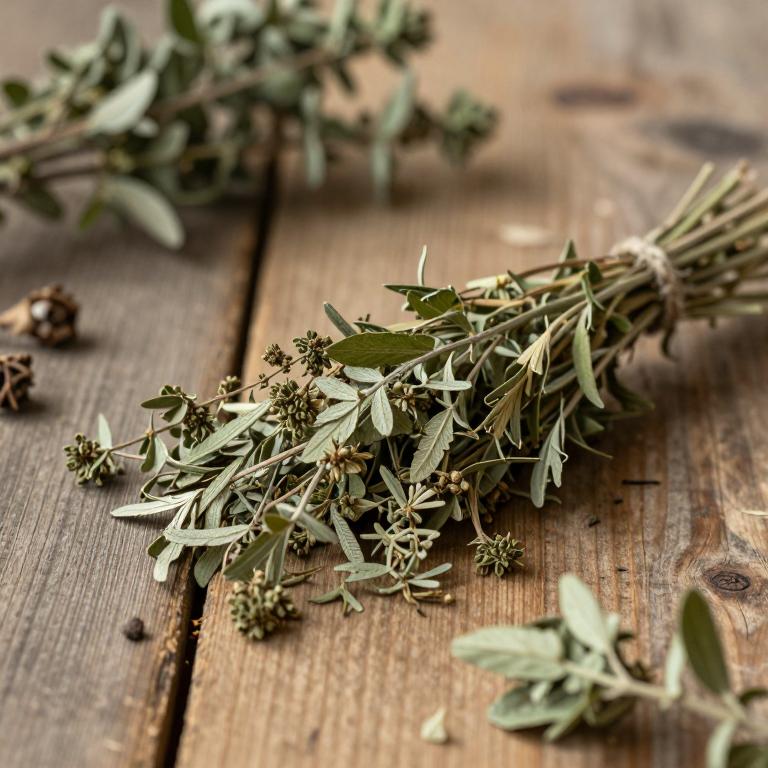
Cyanthillium cinereum var. linifolium is a distinctive botanical variety known for its unique linear foliage and medicinal potential. This plant has garnered significant scientific interest due to its diverse array of bioactive secondary metabolites. Recent investigations have focused on the chemical profile of its methanol extract to identify potent therapeutic compounds. Such preparations are essential for exploring the plant's pharmacological properties, including antioxidant and antimicrobial activities. Understanding these extracts provides a foundation for developing new natural products derived from this specific variety.
- Synonyms
- Vernonia Linifolia · Vernonia Cinerea Var. Linifolia
- Common names
- Not available
- Family
- Asteraceae
- Distribution
- Southern America
- Plant Parts
- Not available
Classification
Synonyms
Cyanthillium cinereum var. linifolium is a botanical taxon that is frequently identified by various scientific names within existing literature. One recognized synonym for this specific variety is Vernonia cinerea var. linifolia. Additionally, the name Vernonia linifolia is also documented as an interchangeable synonym for the plant. Understanding these nomenclature relationships is essential for researchers navigating complex taxonomic databases. Such clarity ensures that botanical studies remain consistent despite the shifting classifications of the species.
Sources: The World Checklist of Vascular Plants (WCVP)
Taxonomy
Cyanthillium cinereum var. linifolium belongs to the vast kingdom Plantae, representing a unique branch of the natural world. Within this kingdom, the plant is classified under the class Equisetopsida. It further falls into the order Asterales, showcasing its specialized evolutionary path. This variety is a member of the diverse genus Cyanthillium, which distinguishes it from other similar species. Ultimately, its taxonomic identity is anchored within the expansive Asteraceae family.
| Rank | Classification |
|---|---|
| Kingdom | Plantae |
| Phylum | Streptophyta |
| Class | Equisetopsida |
| Subclass | Magnoliidae |
| Order | Asterales |
| Family | Asteraceae |
| Genus | Cyanthillium |
Sources: The World Checklist of Vascular Plants (WCVP)
Distribution
Geographic Regions
Cyanthillium cinereum var. linifolium exhibits a widespread presence across diverse ecological zones within the tropical and Australasian regions. In Asia, this variety is found throughout the tropical landscapes of the Indian Subcontinent, specifically in Assam, as well as across Indo-China and Myanmar. Its reach extends further into the Papuasia region, where it is established in New Guinea. Moving toward Australasia, the plant is notably distributed throughout various parts of Australia. Specifically, it can be located in the Northern Territory as well as the tropical reaches of Queensland.
Sources: The World Checklist of Vascular Plants (WCVP)
Identification
Biological Activities
Compounds
Conditions
Cyanthillium cinereum var. linifolium, referred to in the text as Conyza linifolia, demonstrates significant antidiarrhoeal activity against castor oil-induced diarrhoea when administered at a dose of 400 mg kg(-1). This plant extract also functions to increase the contractile force of isolated rabbit's duodenum at concentrations ranging between 0.4 and 1.6 mg ml(-1). While it provides these beneficial effects, higher concentrations exceeding 3.2 mg ml(-1) result in a rapid depressant effect on the tissue. The study further notes that the specific mechanism of action for this plant's effect on motility is not through any of the common mediators. Ultimately, these medicinal properties are supported by a phytochemical profile that includes tannins, flavonoids, and various sterols.
Preparations
Cyanthillium cinereum var. linifolium, identified in the text as Conyza linifolia, is prepared as a methanol extract for pharmacological study. This specific extract was tested to evaluate its antidiarrhoeal activity against castor oil-induced diarrhoea in rats. While a 200 mg kg(-1) dose showed no significant effect, a higher dose of 400 mg kg(-1) produced a significant result. Furthermore, the methanol extract influenced the contractile force of rabbit duodenal smooth muscle at certain concentrations. The research also indicated that the effects of this plant were not mediated through common biological pathways.