Cussonia paniculata
Cussonia paniculata · Accepted scientific name
Scientific literature: Very Sparse (0 studies) · ★☆☆☆☆
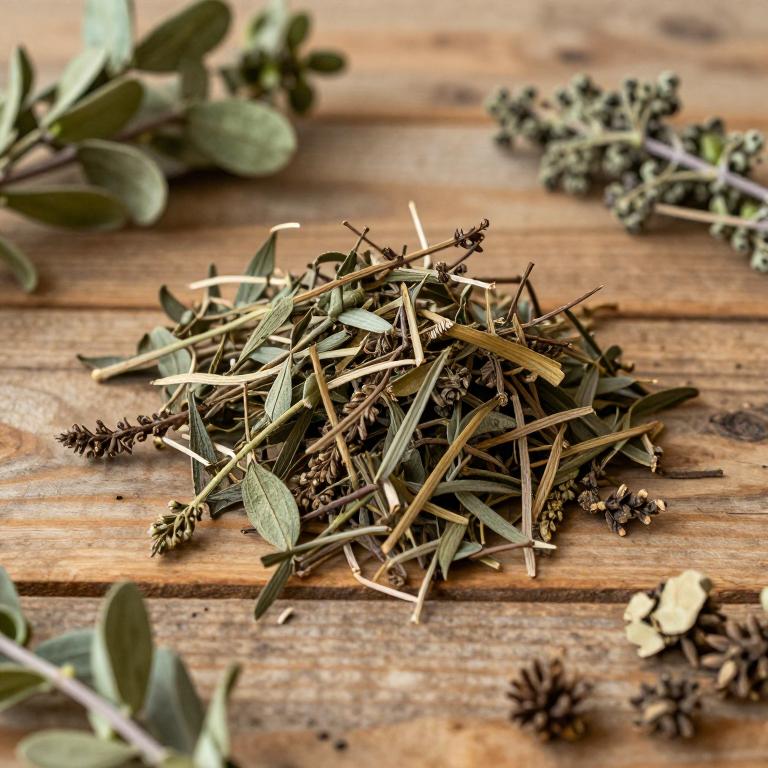
Cussonia paniculata, commonly known as the panicle finger, is a distinctive tree recognized for its unique architectural foliage. Recent scientific inquiries have begun to explore the complex biochemical properties found within its leaf. Researchers are particularly interested in how specific compounds derived from these leaves might influence neurological health. This investigation aims to determine if certain extracts could offer therapeutic benefits for managing the symptoms of Alzheimer's Disease. Understanding these potential medicinal applications could pave the way for new dietary or pharmacological interventions.
- Synonyms
- Not available
- Common names
- Not available
- Family
- Araliaceae
- Distribution
- Africa
- Plant Parts
- Leaf
Classification
Common Names
Cussonia paniculata is a distinctive species that is known by a wide variety of descriptive common names. In many regions, it is affectionately referred to as the Bergkiepersol or the Hoëveldse Kiepersol. Those living in higher altitudes may recognize it as the Highveld Cabbage Tree or the Mountain Cabbage-tree. Additionally, it is frequently identified by the name Kohlpalme in certain botanical contexts. This diversity of nomenclature highlights the plant's widespread recognition across different landscapes.
Sources: Catalogue of Life (COL)
Taxonomy
Cussonia paniculata is a distinctive species that belongs to the vast kingdom Plantae. Within this biological realm, it is classified under the class Equisetopsida. This plant is further organized into the order Apiales, reflecting its evolutionary connections. It also finds its place within the specific family Araliaceae, which defines many of its structural characteristics. Finally, it is identified by its unique genus, Cussonia, which distinguishes it from other related flora.
| Rank | Classification |
|---|---|
| Kingdom | Plantae |
| Phylum | Streptophyta |
| Class | Equisetopsida |
| Subclass | Magnoliidae |
| Order | Apiales |
| Family | Araliaceae |
| Genus | Cussonia |
Sources: The World Checklist of Vascular Plants (WCVP)
Distribution
Geographic Regions
Cussonia paniculata is a resilient species with a broad geographic presence across the African continent. Within Southern Africa, its distribution is notably widespread, spanning several diverse ecological regions. The plant can be found thriving in the Cape Provinces as well as across the landscapes of Botswana. Its range further extends into the Free State and throughout the KwaZulu-Natal region. Additionally, this hardy species is commonly documented within the borders of Eswatini.
Sources: The World Checklist of Vascular Plants (WCVP)
Identification
Morphology
Cussonia paniculata is a self-supporting plant that exhibits a distinct tree-like growth form. Depending on its specific environmental conditions, this species can vary significantly in size. While it may start as a small specimen measuring only 1 meter in height, it has the potential to reach a minimum of 4 meters. Ultimately, the plant reaches a maximum height of approximately 5 meters. This versatility in stature makes it a dynamic addition to diverse landscapes.
Sources: Global Inventory of Floras and Traits (GIFT)
Biological Activities
Compounds
Conditions
Cussonia paniculata shows significant promise as a potential treatment for Alzheimer's disease due to its ability to target key protein markers. Research indicates that extracts from the leaves of this plant can potently decrease the production of Aβ42, a protein closely linked to the disease. Specifically, the study found that Cussonia paniculata reduces Aβ42 levels by approximately 57.5% through the inhibition of APP processing. This biological activity suggests that the plant possesses therapeutic properties that could be developed into medical interventions. Consequently, the leaf extracts are considered strong candidates for further scientific study regarding Alzheimer's treatment.
Preparations
Parts used
Cussonia paniculata has been identified as a promising candidate in the search for new Alzheimer's disease treatments. During scientific screening, researchers utilized the leaves of this specific plant to test its biological activity against amyloid-beta protein production. The study revealed that extracts derived from these leaves can significantly decrease the levels of Aβ42. Specifically, this reduction in protein production is achieved through the inhibition of amyloid precursor protein processing. These findings suggest that the leaf extracts of Cussonia paniculata hold substantial potential for further pharmaceutical development.