Cuscuta epithymum subsp. epithymum
Cuscuta epithymum subsp. epithymum · Accepted scientific name
Scientific literature: Very Sparse (0 studies) · ★☆☆☆☆
Cuscuta epithymum subsp. epithymum is a specialized parasitic plant known for its unique ability to thrive without traditional roots. This particular subspecies is highly valued in traditional medicine for its diverse range of bioactive properties. To harness these botanical benefits effectively, the plant material is processed into standardized pharmaceutical capsules. These capsules provide a precise and convenient method for delivering concentrated extracts to consumers. By utilizing this specific preparation, users can ensure a consistent dosage of the plant's natural compounds.
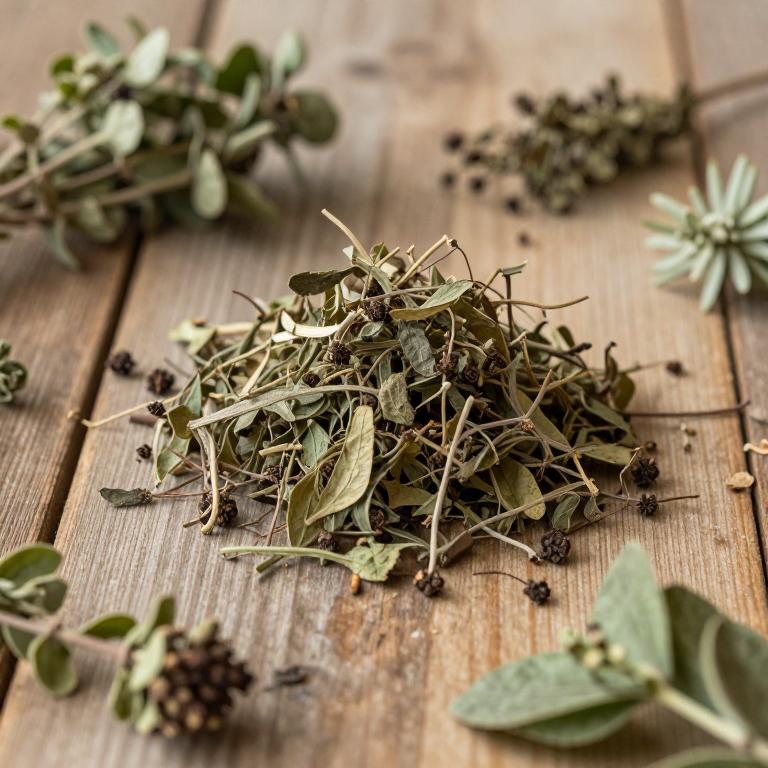
- Synonyms
- Cuscuta Hygrogenes · Cuscuta Epithymum Var. Corsicana · 39 more
- Common names
- Not available
- Family
- Convolvulaceae
- Distribution
- Southern America
- Plant Parts
- Not available
Classification
Common Names
Cuscuta epithymum subsp. epithymum is a unique parasitic plant recognized by several distinct regional names. In French-speaking areas, it is commonly referred to as Cuscute du thym. German speakers identify the species as Gewöhnliche Quendel-Seide. Meanwhile, in Hungarian, it is known as herefojtó aranka, and in Czech, it goes by the name kukučina dúšková pravá. These diverse common names highlight the plant's widespread presence across different linguistic landscapes.
Sources: Catalogue of Life (COL)
Synonyms
Cuscuta epithymum subsp. epithymum is a complex botanical entity that is recognized by several different scientific names. Within various taxonomic records, this specific subspecies is frequently associated with the synonym Cuscuta acutiflora. It is also identified interchangeably with Cuscuta alpicola and Cuscuta alpina in different botanical contexts. Furthermore, the nomenclature includes references to Cuscuta aragonensis as a synonymous classification. Finally, researchers may also encounter the name Cuscuta barbuvea when studying this particular plant.
Sources: The World Checklist of Vascular Plants (WCVP)
Taxonomy
Cuscuta epithymum subsp. epithymum is a unique biological entity belonging to the vast kingdom Plantae. This specific subspecies is classified under the class Equisetopsida, marking its place within a distinct group of vascular plants. It is further organized into the order Solanales, reflecting its evolutionary connections to other notable plant groups. Within this framework, it resides in the family Convolvulaceae, a lineage known for its diverse botanical characteristics. Ultimately, this plant is defined by its membership in the genus Cuscuta, highlighting its specialized role in the natural world.
| Rank | Classification |
|---|---|
| Kingdom | Plantae |
| Phylum | Streptophyta |
| Class | Equisetopsida |
| Subclass | Magnoliidae |
| Order | Solanales |
| Family | Convolvulaceae |
| Genus | Cuscuta |
Sources: The World Checklist of Vascular Plants (WCVP)
Distribution
Geographic Regions
Cuscuta epithymum subsp. epithymum is a specialized plant species with a broad geographical presence across several key regions. Its distribution spans much of Africa, including significant populations found throughout Northern Africa in countries like Algeria and Libya. Beyond the mainland, the subspecies is also widely established within Macaronesia. This includes specific island territories such as the Canary Islands, Madeira, and the Selvagens. Together, these various locations highlight the diverse environmental range this plant occupies.
Sources: The World Checklist of Vascular Plants (WCVP)
Identification
Biological Activities
Compounds
Conditions
Preparations
Cuscuta epithymum subsp. epithymum is prepared as pharmaceutical capsules according to the specified relationship. This particular form allows for standardized dosing in medicinal applications. The preparation process ensures that the plant material is contained within a convenient and measurable format. Such pharmaceutical formulations are essential for delivering the intended therapeutic effects to patients. Consequently, the use of capsules facilitates the administration of the plant in clinical settings.