Cuscuta americana
Cuscuta americana · Accepted scientific name
Scientific literature: Very Sparse (0 studies) · ★☆☆☆☆
Cuscuta americana, commonly known as American dodder, is a parasitic plant species that lacks chlorophyll and relies entirely on host plants for nutrients. This leafless vine winds tightly around its hosts, using specialized structures called haustoria to penetrate stems and extract essential moisture. In various traditional medicinal practices, extracts from this plant have been historically investigated for their potential role in managing systemic conditions. Some anecdotal studies suggest its components may play a part in addressing symptoms associated with jaundice. However, rigorous scientific validation is still required to confirm its therapeutic efficacy for liver-related ailments.
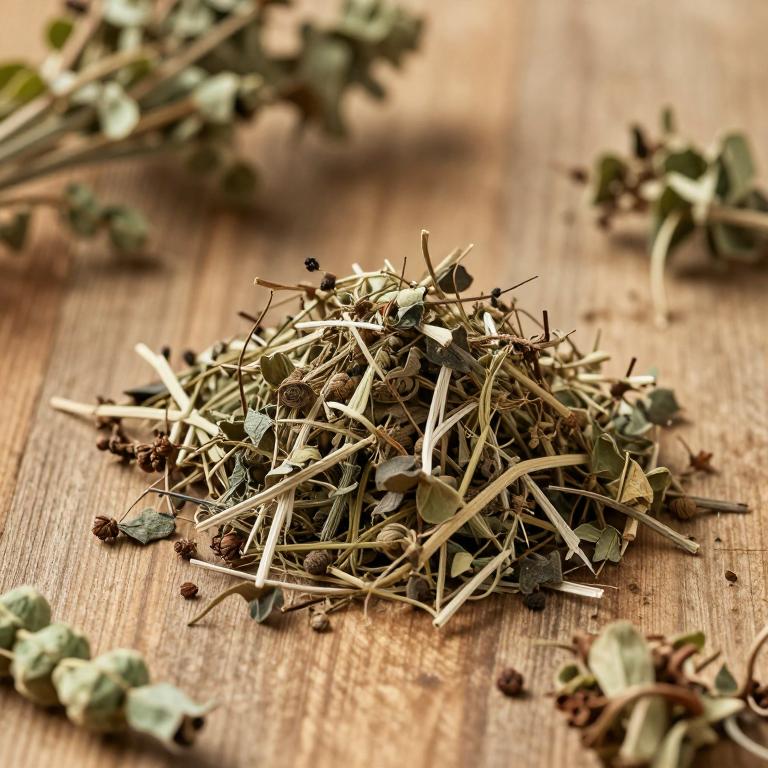
- Synonyms
- Cuscuta Surinamensis · Nemepis Americana · 9 more
- Common names
- Not available
- Family
- Convolvulaceae
- Distribution
- Not available
- Plant Parts
- Not available
Classification
Common Names
Cuscuta americana is a unique parasitic plant known by a vast array of diverse common names across different languages and cultures. In English, it is most frequently referred to as the American dodder, though it also carries the more evocative titles of Devil's Guts and Barba di Diabel. Spanish speakers often identify this species as Bejuco de fideo, highlighting its distinct physical characteristics. Other regional monikers include Aletria di Mondi and the name Amor di Neger. These varied linguistic relationships illustrate the global recognition and complex identity of this specialized climber.
Sources: Catalogue of Life (COL)
Synonyms
Cuscuta americana is a complex species that is frequently identified through various botanical synonyms in scientific literature. Taxonomists have historically classified different variations of this plant under names such as Cuscuta congesta and Cuscuta graveolens. Furthermore, the species includes recognized varieties like Cuscuta americana var. congesta and Cuscuta americana var. spectabilis. Other historical designations, including Cuscuta leiolepis, also fall under its broad botanical umbrella. Understanding these shifting nomenclature relationships is essential for accurate identification and study within the genus.
Sources: The World Checklist of Vascular Plants (WCVP)
Taxonomy
Cuscuta americana is a unique botanical organism that belongs to the kingdom Plantae. Within this vast kingdom, it is specifically classified under the class Equisetopsida. This species is a member of the order Solanales, a grouping that reflects its intricate biological connections. Further taxonomic narrowing places it within the genus Cuscuta. Finally, it is categorized under the family Convolvulaceae, completing its complex scientific identity.
| Rank | Classification |
|---|---|
| Kingdom | Plantae |
| Phylum | Streptophyta |
| Class | Equisetopsida |
| Subclass | Magnoliidae |
| Order | Solanales |
| Family | Convolvulaceae |
| Genus | Cuscuta |
Sources: The World Checklist of Vascular Plants (WCVP)
Distribution
Geographic Regions
Cuscuta americana maintains an extensive geographical presence across much of Northern America and Mexico. Within the Mexican landscape, this species is widely distributed through the Northwest, Southwest, Southeast, and Gulf regions. Its reach also extends significantly into the Southeastern United States, specifically including the state of Florida. This widespread pattern highlights the plant's ability to thrive across diverse climatic zones. Consequently, understanding its various habitats is essential for studying its ecological impact throughout these regions.
Sources: The World Checklist of Vascular Plants (WCVP)
Identification
Morphology
Cuscuta americana is characterized by its distinct growth form as a forb. This species relies on an obligatory climbing habit to navigate its environment and reach necessary hosts.
Sources: Global Inventory of Floras and Traits (GIFT)
Biological Activities
Compounds
Conditions
Cuscuta americana is recognized in ethnobotanical studies for its traditional use in treating jaundice. Beyond its application for liver-related issues, this plant also demonstrates significant anthelmintic properties. Research involving Jamaican plant extracts shows that Cuscuta americana, commonly known as love weed, can inactivate Strongyloides stercoralis filariform larvae in vitro. Specifically, the extract achieved a 50% inactivation rate of these larvae in approximately two hours. These findings highlight the potential of the plant as a natural product for addressing parasitic infections like strongyloidiasis.