Curcuma involucrata
Curcuma involucrata · Accepted scientific name
Scientific literature: Very Sparse (2 studies) · ★☆☆☆☆
, scientifically known as Curcuma involucrata, is a perennial herb belonging to the Zingiberaceae family. Native to Southeast Asia, this plant is highly valued in traditional medicine for its potent bioactive compounds. It is widely utilized for its anti-inflammatory, antimicrobial, and antioxidant properties to treat various skin and digestive ailments.
- Family
- Not available
- Native range
- Asia-Temperate
- Parts used
- Rhizome
- Common names
- Not available
- Scientific synonyms
- Not available
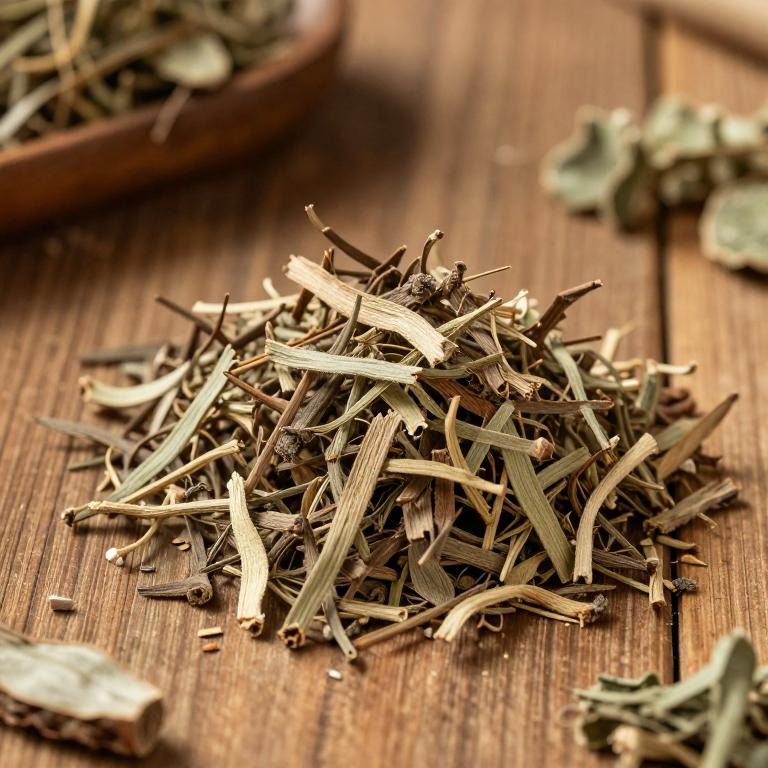
Names and Synonyms
Scientific Names
Accepted name
Curcuma involucrataDistribution
This plant is naturally distributed across several key regions within Asia. In China, its presence is specifically noted in the South-Central and Southeast areas. Moving toward the Indian Subcontinent, it can be found growing in Assam. The species also has a significant range within Bangladesh. Finally, its geographical reach extends into the East Himalaya region of the Indian Subcontinent.
| Region | Area |
|---|---|
| China | China South-Central |
| China | China Southeast |
| Indian Subcontinent | Assam |
| Indian Subcontinent | Bangladesh |
| Indian Subcontinent | East Himalaya |
| Indo-China | Myanmar |
| Indo-China | Thailand |
Sources: The World Checklist of Vascular Plants (WCVP)
Botanical Identification
Life history
The life history of Curcuma involucrata is characterized by its existence as a geophyte, relying on specialized underground structures to survive seasonal fluctuations and environmental stressors. As a perennial herb, its lifecycle is centered around a fleshy, starch-rich rhizome that serves as a vital storage organ, allowing the plant to persist during dormant periods when aerial parts may die back. The developmental cycle begins with the emergence of leaves from the rhizome, followed by the production of distinctive, large, bracteate inflorescences that are often more prominent than the actual flowers. These bracts play a crucial role in the plant's reproductive strategy by protecting the developing floral structures and potentially attracting specific pollinators. Following successful pollination, the plant produces seeds that facilitate dispersal, while the primary mode of persistence and local expansion is through vegetative propagation via the expansion of its rhizomatous system. This life history strategy enables the plant to effectively colonize moist, shaded forest floors and riparian zones, ensuring its long-term survival through both sexual reproduction and robust underground storage.
- Life form :
- geophyte
Morphology
The morphology of Curcuma involucrata is characterized by a robust, herbaceous structure that functions as a self-supporting plant, lacking any climbing or trailing mechanisms. It is a non-climbing species, meaning it does not exhibit obligatory, facultative, or self-supporting climber traits. As an independent organism, it does not function as a parasite, maintaining its own nutritional processes without relying on a host. Furthermore, the plant is strictly terrestrial in its growth habit, lacking any epiphytic qualities such as being an obligatory or facultative epiphyte.
- Climber :
- self-supporting
- Epiphyte :
- terrestrial
- Parasite :
- independent
Sources: Global Inventory of Floras and Traits (GIFT)
Plant Parts
Curcuma involucrata has 1 reported plant parts identified across 1 scientific publications and several other databases that are studied for medicinal purposes. The most consistently reported plant part include rhizome.
| Plant part | Supporting sources | Consensus |
|---|---|---|
| Rhizome | 1 supporting sources | ★☆☆☆☆ |
Rhizome
- Frontiers in pharmacology
Preparations
Curcuma involucrata has 1 reported preparations identified across 1 scientific publications and several other databases. The most consistently reported preparations include Essential oil extracted from Stahlianthus involucratus rhizomes (EOSIR).
| Preparation | Supporting sources | Consensus |
|---|---|---|
| Essential oil extracted from stahlianthus involucratus rhizomes (eosir) | 1 supporting sources | ★☆☆☆☆ |
Essential oil extracted from stahlianthus involucratus rhizomes (eosir)
- Frontiers in pharmacology