Curcuma heyneana
Curcuma heyneana · Accepted scientific name
Scientific literature: Very Sparse (0 studies) · ★☆☆☆☆
Curcuma heyneana is a botanical species of significant interest due to its diverse chemical composition and biological activities. Researchers frequently study its medicinal potential through various preparations, including methanol extracts, EtOAc-soluble fractions, and the dried rhizoma. A key component identified within this plant is the chemical compound Zedoarondiol. Scientific investigations often focus on how such constituents interact with biological systems, specifically regarding the CYP3A4 enzyme. Understanding these interactions provides essential insights into the plant's pharmacological profile and metabolic pathways.
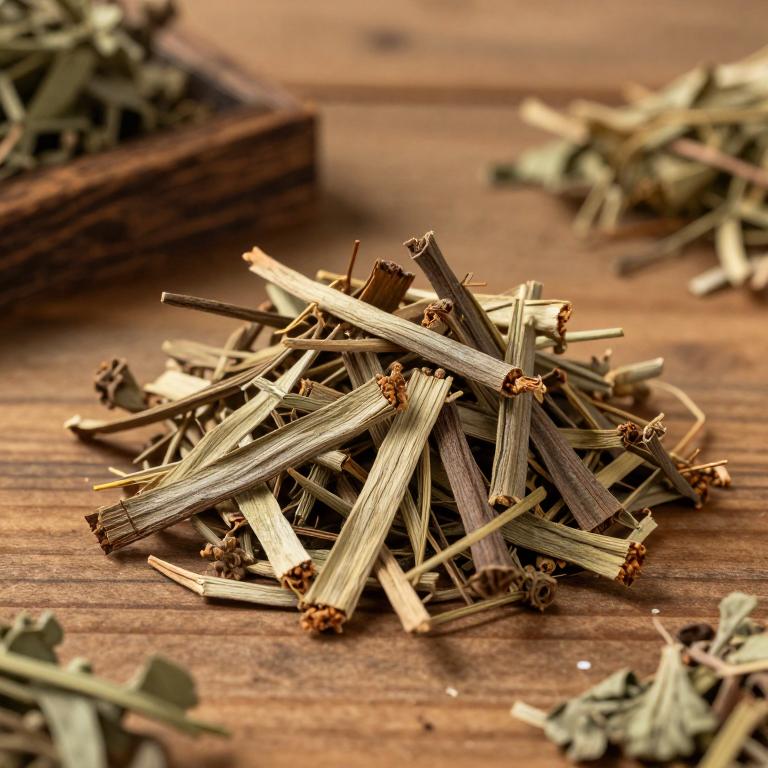
- Synonyms
- Not available
- Common names
- Not available
- Family
- Zingiberaceae
- Distribution
- Not available
- Plant Parts
- Not available
Classification
Common Names
Curcuma heyneana is a unique botanical species that is recognized by various local monikers. It is widely known by the common name Temugiring in several regions. Additionally, the plant is frequently referred to as kurkuma Heyneho by those familiar with its traditional uses. These overlapping names highlight the diverse linguistic ways this plant is identified across different communities. Understanding these common names is essential for anyone researching the cultural and biological significance of this species.
Sources: Catalogue of Life (COL)
Taxonomy
Curcuma heyneana is a fascinating botanical specimen that belongs to the diverse kingdom Plantae. Within this vast group, the species is classified under the class Equisetopsida. It specifically falls under the order Zingiberales, which connects it to many other unique flowering plants. Furthermore, this plant is a member of the Zingiberaceae family, known for its distinctive characteristics. Ultimately, its biological identity is defined by its placement within the genus Curcuma.
| Rank | Classification |
|---|---|
| Kingdom | Plantae |
| Phylum | Streptophyta |
| Class | Equisetopsida |
| Subclass | Magnoliidae |
| Order | Zingiberales |
| Family | Zingiberaceae |
| Genus | Curcuma |
Sources: The World Checklist of Vascular Plants (WCVP)
Distribution
Geographic Regions
Curcuma heyneana is a notable botanical species primarily distributed throughout the tropical regions of Asia. Its presence is most significantly felt within the Malesia botanical zone, where it thrives in diverse environments. Specifically, this plant can be found growing across the island of Jawa, marking a key part of its geographic range. Additionally, its distribution extends to the Lesser Sunda Islands, showcasing its adaptability to these specific island ecosystems. This localized presence highlights the unique ecological niche that the species occupies within the broader tropical landscape.
Sources: The World Checklist of Vascular Plants (WCVP)
Identification
Morphology
Curcuma heyneana is a self-supporting plant that maintains its upright structure without the need for external assistance.
Sources: Global Inventory of Floras and Traits (GIFT)
Biological Activities
Compounds
Curcuma heyneana serves as a significant source of the sesquiterpene lactone known as zedoarondiol, which is isolated from its rhizoma. This specific compound has demonstrated remarkable anti-inflammatory properties during laboratory investigations involving stimulated macrophage cells. Specifically, zedoarondiol works to inhibit the production of nitric oxide, prostaglandins, and various pro-inflammatory cytokines. The mechanism behind this effect involves the downregulation of the NF-kappaB pathway and the suppression of key enzymes like iNOS and COX-2. Ultimately, these findings highlight the therapeutic potential of zedoarondiol derived from Curcuma heyneana in managing inflammatory responses.
Conditions
Curcuma heyneana exhibits significant pharmacological properties, including the ability to treat COX-2 by suppressing its protein levels and mRNA expression. The plant also treats LPS-stimulated DNA binding activity by inhibiting the transcription activity of NF-kappaB. Additionally, its components treat LPS-stimulated nitric oxide (NO) through the dose-dependent inhibition of its production in macrophage cells. Research indicates that its EtOAc-soluble fractions treat CYP3A4 by demonstrating inhibitory activity against this specific metabolic pathway. Finally, Curcuma heyneana is recognized as a medicinal plant with potent anti-aging properties, showing good potential for in vivo anti-aging activities.
Preparations
Curcuma heyneana is prepared as EtOAc-soluble fractions to demonstrate inhibitory activity against CYP3A4 metabolism. This plant is also prepared as methanol extracts, which have shown significant inhibitory activity against protein tyrosine phosphatase 1B. Additionally, the species is prepared as rhizoma for the isolation of bioactive compounds like zedoarondiol. These various preparation methods allow for the study of the plant's diverse pharmacological properties. Through these specific forms, the medicinal potential of the plant can be effectively evaluated.