Curculigo
Curculigo · Accepted scientific name
Scientific literature: Very Sparse (6 studies) · ★☆☆☆☆
Scientifically known as Curculigo, this genus comprises various medicinal herbs valued in traditional systems like Ayurveda. Renowned for its bioactive compounds, species such as Curculigo orchioides are highly prized as potent rejuvenators. They are frequently utilized to enhance vitality, support reproductive health, and provide significant antioxidant benefits.
- Family
- Hypoxidaceae
- Native range
- Africa
- Parts used
- Not available
- Common names
- Not available
- Scientific synonyms
- Franquevillea · Molineria · 4 more
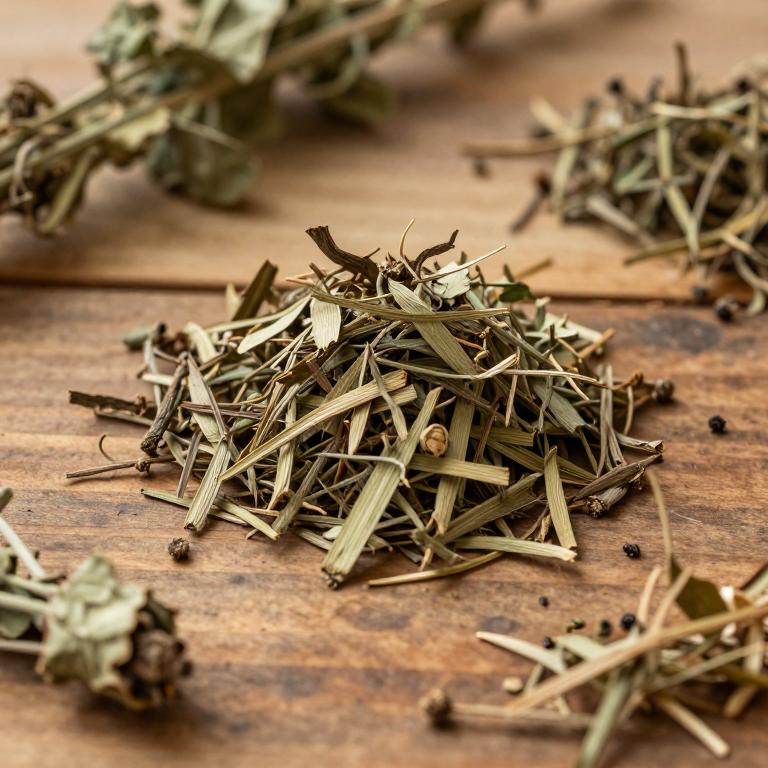
Names and Synonyms
Scientific Names
Accepted name
CurculigoSynonyms
- Franquevillea
- Molineria
- Hypoxidia
- Heliacme
- Aurota
- Neofriedmannia
Regional and Traditional Names
Spanish:
- Franquevillea
- Heliacme
Sources: Wikidata, Catalogue of Life
Taxonomical Classification
This plant belongs to the kingdom Plantae and the phylum Streptophyta, falling under the class Equisetopsida and subclass Magnoliidae. Within the order Asparagales, it is classified under the family Hypoxidaceae. Its specific taxonomic designation is the genus Curculigo.
| Rank | Classification |
|---|---|
| Kingdom | Plantae |
| Phylum | Streptophyta |
| Class | Equisetopsida |
| Subclass | Magnoliidae |
| Order | Asparagales |
| Family | Hypoxidaceae |
| Genus | Curculigo |
Sources: The World Checklist of Vascular Plants (WCVP)
Distribution
This plant, belonging to the genus Curculigo, exhibits a specific distribution across the West Tropical Africa region. Within this geographical range, it can be found growing in the nation of Benin. The species is also documented to inhabit the territories of Burkina and Gambia. Furthermore, its presence extends into the country of Ghana. Finally, its natural habitat includes the coastal landscape of Guinea-Bissau.
| Region | Area |
|---|---|
| West Tropical Africa | Benin |
| West Tropical Africa | Burkina |
| West Tropical Africa | Gambia |
| West Tropical Africa | Ghana |
| West Tropical Africa | Guinea-Bissau |
| West Tropical Africa | Guinea |
| West Tropical Africa | Ivory Coast |
| West Tropical Africa | Liberia |
| West Tropical Africa | Mali |
| West Tropical Africa | Nigeria |
Sources: The World Checklist of Vascular Plants (WCVP)
Chemicals
Curculigo has 1 reported phytochemicals identified across 0 scientific publications and several other databases. The most consistently reported chemicals include Curculigine.
| Chemical | Supporting sources | Consensus |
|---|---|---|
| Curculigine | 1 supporting sources | ★☆☆☆☆ |
Curculigine
- Molecules (Basel, Switzerland)
Activities
Curculigo has 3 reported activities identified across 0 scientific publications and several other databases. The most consistently reported activities include Antibacterial, Antitumor, Neuroprotective.
| Activity | Supporting sources | Consensus |
|---|---|---|
| Antibacterial | 1 supporting sources | ★☆☆☆☆ |
| Antitumor | 1 supporting sources | ★☆☆☆☆ |
| Neuroprotective | 1 supporting sources | ★☆☆☆☆ |
Antibacterial
- Molecules (Basel, Switzerland)
Antitumor
- Molecules (Basel, Switzerland)
Neuroprotective
- Molecules (Basel, Switzerland)
Conditions
Curculigo has 2 reported investigations on conditions identified across 0 scientific publications and several other databases. The most consistently reported conditions include impotence, osteoporosis.
| Condition | Supporting sources | Consensus |
|---|---|---|
| Impotence | 1 supporting sources | ★☆☆☆☆ |
| Osteoporosis | 1 supporting sources | ★☆☆☆☆ |
Impotence
- Molecules (Basel, Switzerland)
Osteoporosis
- Molecules (Basel, Switzerland)
Preparations
Curculigo has 1 reported preparations identified across 0 scientific publications and several other databases. The most consistently reported preparations include herbal medicine.
| Preparation | Supporting sources | Consensus |
|---|---|---|
| Herbal medicine | 1 supporting sources | ★☆☆☆☆ |
Herbal medicine
- Molecules (Basel, Switzerland)