waxweed
Cuphea · Accepted scientific name
Scientific literature: Very Sparse (12 studies) · ★☆☆☆☆
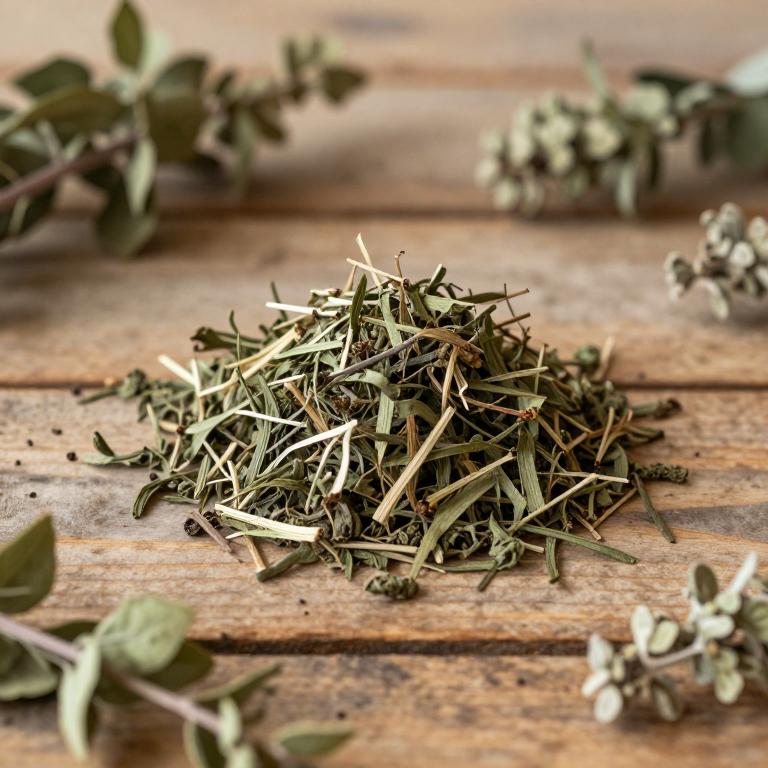
Waxweed, scientifically known as Cuphea, is a versatile genus of flowering plants valued for their ornamental beauty and medicinal potential. Native to tropical regions, various species offer therapeutic properties, including anti-inflammatory and antimicrobial benefits. Often used in traditional remedies, these resilient plants provide significant value in holistic wellness.
Names and Synonyms
Common Names
- waxweed
- Cigar Plants and Allies
- Cigar plants
Scientific Names
Accepted name
CupheaSynonyms
- Quirina
- Dipetalon
- Parsonsia
- Melvilla
- Melanium
- Melfona
- Endecaria
- Balsamona
Regional and Traditional Names
Spanish:
- Cuphaea
- Melanium
- Melvilla
- Siete sangrias
German:
- Köcherblümchen
- Köcherblümchen
Sources: Wikidata, Catalogue of Life
Taxonomical Classification
This plant belongs to the kingdom Plantae and the phylum Streptophyta, falling under the class Equisetopsida and subclass Magnoliidae. Within the order Myrtales, it is classified under the family Lythraceae. Ultimately, it is identified by the genus Cuphea.
| Rank | Classification |
|---|---|
| Kingdom | Plantae |
| Phylum | Streptophyta |
| Class | Equisetopsida |
| Subclass | Magnoliidae |
| Order | Myrtales |
| Family | Lythraceae |
| Genus | Cuphea |
Sources: The World Checklist of Vascular Plants (WCVP)
Distribution
This plant exhibits a diverse geographical distribution that spans across several distinct regions. In Northern Europe, it can be found growing in Great Britain. Its range extends southward into Northern Africa, specifically within the borders of Morocco. The species is also present in Macaronesia, inhabiting the Azores islands. Finally, it is documented in West Tropical Africa, appearing in both Guinea and Liberia.
| Region | Area |
|---|---|
| Northern Europe | Great Britain |
| Northern Africa | Morocco |
| Macaronesia | Azores |
| West Tropical Africa | Guinea |
| West Tropical Africa | Liberia |
| West-Central Tropical Africa | Cameroon |
| East Tropical Africa | Kenya |
| Southern Africa | Northern Provinces |
| Western Indian Ocean | Mauritius |
| Western Indian Ocean | Réunion |
Sources: The World Checklist of Vascular Plants (WCVP)
Plant Parts
Cuphea has 1 reported plant parts identified across 1 scientific publications and several other databases that are studied for medicinal purposes. The most consistently reported plant part include seed.
| Plant part | Supporting sources | Consensus |
|---|---|---|
| Seed | 1 supporting sources | ★☆☆☆☆ |
Seed
- International journal of molecular sciences
Chemicals
Cuphea has 5 reported phytochemicals identified across 1 scientific publications and several other databases. The most consistently reported chemicals include Coumarins, Flavonoids, Tannins, Triterpenes, polyphenols.
| Chemical | Supporting sources | Consensus |
|---|---|---|
| Coumarins | 1 supporting sources | ★☆☆☆☆ |
| Flavonoids | 1 supporting sources | ★☆☆☆☆ |
| Tannins | 1 supporting sources | ★☆☆☆☆ |
| Triterpenes | 1 supporting sources | ★☆☆☆☆ |
| polyphenols | 1 supporting sources | ★☆☆☆☆ |
Coumarins
- International journal of molecular sciences
Flavonoids
- International journal of molecular sciences
Tannins
- International journal of molecular sciences
Triterpenes
- International journal of molecular sciences
polyphenols
- International journal of molecular sciences
Conditions
Cuphea has 6 reported investigations on conditions identified across 1 scientific publications and several other databases. The most consistently reported conditions include cough, hypertension, pain, parasitic infections, rheumatism.
| Condition | Supporting sources | Consensus |
|---|---|---|
| Cough | 1 supporting sources | ★☆☆☆☆ |
| Hypertension | 1 supporting sources | ★☆☆☆☆ |
| Pain | 1 supporting sources | ★☆☆☆☆ |
| Parasitic infections | 1 supporting sources | ★☆☆☆☆ |
| Rheumatism | 1 supporting sources | ★☆☆☆☆ |
| Wounds | 1 supporting sources | ★☆☆☆☆ |
Cough
- International journal of molecular sciences
Hypertension
- International journal of molecular sciences
Pain
- International journal of molecular sciences
Parasitic infections
- International journal of molecular sciences
Rheumatism
- International journal of molecular sciences
Wounds
- International journal of molecular sciences
Preparations
Cuphea has 1 reported preparations identified across 1 scientific publications and several other databases. The most consistently reported preparations include seed oils.
| Preparation | Supporting sources | Consensus |
|---|---|---|
| Seed oils | 1 supporting sources | ★☆☆☆☆ |
Seed oils
- International journal of molecular sciences