squash
Cucurbita · Accepted scientific name
Scientific literature: Very Sparse (16 studies) · ★☆☆☆☆
Squash, scientifically known as Cucurbita, is a versatile genus of flowering plants valued for both culinary and medicinal properties. Rich in vitamins, minerals, and antioxidants, various species offer therapeutic benefits, including supporting digestive health, boosting immunity, and providing anti-inflammatory effects, making them a vital staple in traditional herbal medicine.
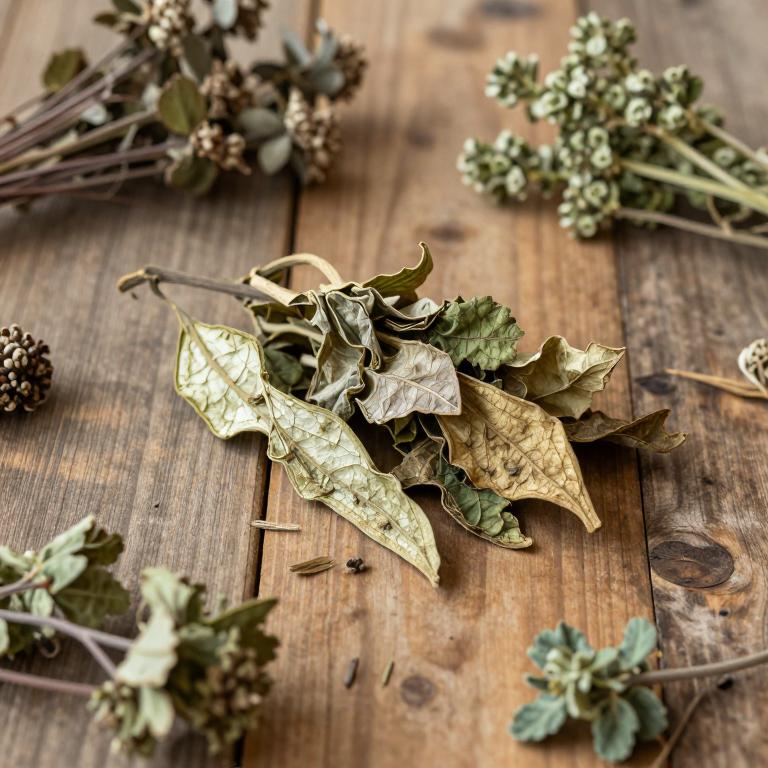
Names and Synonyms
Common Names
- gourd
- squash
- gourds
Scientific Names
Accepted name
CucurbitaSynonyms
- Melopepo
- Ozodycus
- Sphenantha
- Pepo
- Pileocalyx
Regional and Traditional Names
German:
- Kürbisse
- Kürbisgewächs
- Kürbis
- Kürbisse
French:
- Courge
Sources: Wikidata, Catalogue of Life
Taxonomical Classification
This plant belongs to the kingdom Plantae within the phylum Streptophyta and the class Equisetopsida. Classified under the subclass Magnoliidae and the order Cucurbitales, it is a member of the family Cucurbitaceae. Finally, it is identified by its specific genus, Cucurbita.
| Rank | Classification |
|---|---|
| Kingdom | Plantae |
| Phylum | Streptophyta |
| Class | Equisetopsida |
| Subclass | Magnoliidae |
| Order | Cucurbitales |
| Family | Cucurbitaceae |
| Genus | Cucurbita |
Sources: The World Checklist of Vascular Plants (WCVP)
Distribution
This plant exhibits a specific geographical distribution across several regions within Northern Europe. In the southern reaches of this area, it can be found growing in Denmark. Moving further north, the species is also established throughout Sweden and Norway. Its presence extends into the easternmost parts of the region, specifically in Finland. Finally, the plant's range reaches the western territories of Great Britain.
| Region | Area |
|---|---|
| Northern Europe | Denmark |
| Northern Europe | Finland |
| Northern Europe | Great Britain |
| Northern Europe | Norway |
| Northern Europe | Sweden |
| Middle Europe | Austria |
| Middle Europe | Belgium |
| Middle Europe | Czechia-Slovakia |
| Middle Europe | Germany |
| Southwestern Europe | France |
Sources: The World Checklist of Vascular Plants (WCVP)
Chemicals
Cucurbita has 12 reported phytochemicals identified across 0 scientific publications and several other databases. The most consistently reported chemicals include CUB, CORTICOSTERONE, Cucurbitacin, Cucurbitacins, Phytosterols.
| Chemical | Supporting sources | Consensus |
|---|---|---|
| CUB | 2 supporting sources | ★☆☆☆☆ |
| CORTICOSTERONE | 1 supporting sources | ★☆☆☆☆ |
| Cucurbitacin | 1 supporting sources | ★☆☆☆☆ |
| Cucurbitacins | 1 supporting sources | ★☆☆☆☆ |
| Phytosterols | 1 supporting sources | ★☆☆☆☆ |
| ascorbic acid | 1 supporting sources | ★☆☆☆☆ |
| ellagic acid | 1 supporting sources | ★☆☆☆☆ |
| linoleic acid | 1 supporting sources | ★☆☆☆☆ |
| myricetin | 1 supporting sources | ★☆☆☆☆ |
| riboflavin | 1 supporting sources | ★☆☆☆☆ |
CUB
- The international journal of biochemistry & cell biology
- Scientific reports
CORTICOSTERONE
- Journal of ethnopharmacology
Cucurbitacin
- Plant physiology
Cucurbitacins
- BMC complementary and alternative medicine
Phytosterols
- Journal of oleo science
ascorbic acid
- Plant foods for human nutrition (Dordrecht, Netherlands)
ellagic acid
- Chemistry Central journal
linoleic acid
- Journal of oleo science
myricetin
- Chemistry Central journal
riboflavin
- Plant foods for human nutrition (Dordrecht, Netherlands)
Conditions
Cucurbita has 2 reported investigations on conditions identified across 0 scientific publications and several other databases. The most consistently reported conditions include diabetes mellitus, non-small cell lung cancer.
| Condition | Supporting sources | Consensus |
|---|---|---|
| Diabetes mellitus | 1 supporting sources | ★☆☆☆☆ |
| Non-small cell lung cancer | 1 supporting sources | ★☆☆☆☆ |
Diabetes mellitus
- Phytotherapy research : PTR
Non-small cell lung cancer
- Scientific reports