Cucumis
Cucumis · Accepted scientific name
Scientific literature: Very Sparse (1 studies) · ★☆☆☆☆
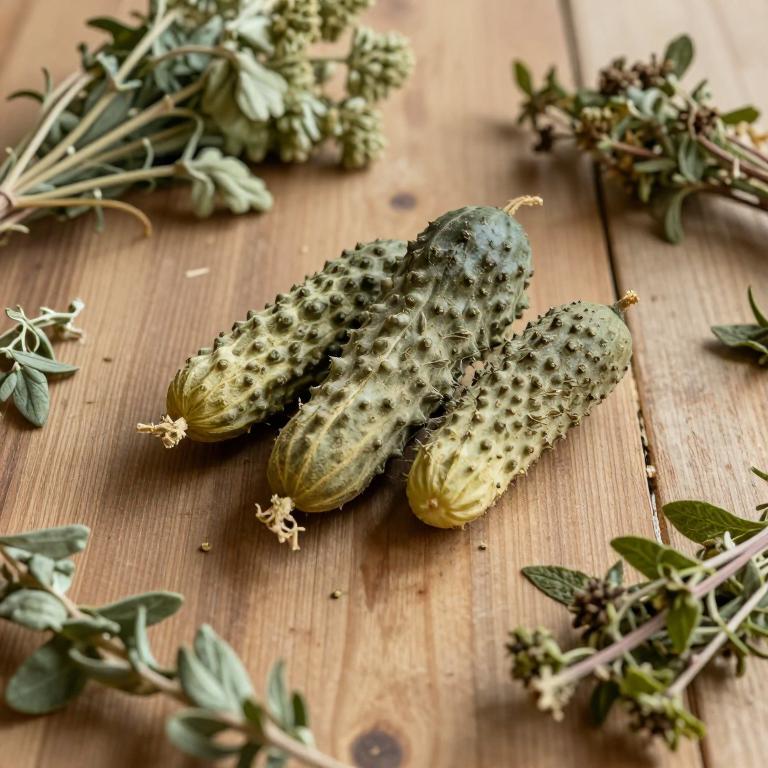
Cucumis is a diverse genus of flowering plants that includes widely recognized species such as cucumbers and melons. While primarily cultivated for their nutritional and refreshing qualities, these plants are increasingly gaining attention for their medicinal potential. Recent scientific studies have highlighted their significant antidiabetic activities, suggesting they may assist in regulating blood glucose levels. Exploring these biological properties offers promising insights into integrating natural botanicals into modern metabolic health management. Consequently, understanding the therapeutic scope of Cucumis is essential for advancing both herbal medicine and nutritional science.
- Synonyms
- Melo · Mukia · 3 more
- Common names
- Not available
- Family
- Not available
- Distribution
- Not available
- Plant Parts
- Not available
Classification
Common Names
Cucumis is a versatile genus that is recognized by many different regional names depending on the language used. It is frequently referred to by the common name Agurk, though variations like Agurkas and Agurker are also encountered. In certain linguistic contexts, you may see it identified simply as Gurke. Furthermore, the plural form Gurken is often utilized to describe these plants in a collective sense. Understanding these various terms helps clarify how this plant is categorized across different cultures.
Sources: Catalogue of Life (COL)
Synonyms
Cucumis is a botanical genus that has historically been associated with several different taxonomic designations. Scientific literature frequently identifies this group through various synonyms, including the names Cucumella and Dicoelospermum. Researchers also recognize its connection to the terms Melo and Mukia in different historical contexts. Additionally, the name Myrmecosicyos has been used to describe members within this diverse plant family. Understanding these overlapping classifications is essential for navigating the complex evolutionary history of the genus.
Sources: The World Checklist of Vascular Plants (WCVP)
Distribution
Geographic Regions
Cucumis exhibits a diverse geographical distribution that spans several key regions across the African continent. In East Tropical Africa, the genus is notably established within the territories of Kenya, Tanzania, and Uganda. Beyond the mainland, its presence extends into the Atlantic waters of Macaronesia. Specifically, these plants can be found thriving in the Azores and throughout the Canary Islands. This wide range highlights the adaptability of the genus across varied tropical and island ecosystems.
Sources: The World Checklist of Vascular Plants (WCVP)
Identification
Biological Activities
Cucumis species, specifically Mukia maderaspatana, have demonstrated significant potential in managing diabetes through various biochemical mechanisms. Research indicates that this plant is rich in phenolics like quercetin and phloroglucinol, which are essential to its medicinal properties. In vitro studies show that these compounds can effectively inhibit gluconeogenesis in rat liver tissues. Furthermore, the plant extract has been found to potentiate the action of insulin during glucose uptake. These findings provide a strong scientific rationale for utilizing Mukia as a natural antidiabetic nutraceutical in traditional medicine.
Compounds
Cucumis-related plants, specifically Mukia maderaspatana from the Cucurbitaceae family, have shown significant medicinal potential in recent studies. Research indicates that this plant is rich in bioactive phenolics that contribute to its traditional use as an antidiabetic agent. Notably, investigations have confirmed that Cucumis contains phloroglucinol, a compound capable of completely inhibiting glucose production. Additionally, the plant contains quercetin, which demonstrates a high capacity for inhibiting gluconeogenesis in rat liver tissues. These findings provide a scientific basis for utilizing such phenolic-rich plants as effective antidiabetic nutraceuticals.