Cryptocarya woodii
Cryptocarya woodii · Accepted scientific name
Scientific literature: Very Sparse (0 studies) · ★☆☆☆☆
Cryptocarya woodii is a distinctive plant species known for its unique botanical characteristics and potential medicinal properties. Within certain traditional practices, various parts of this plant have been explored for their bioactive compounds. Some historical applications suggest that its extracts may be utilized to address physical discomfort, specifically targeting conditions like headache. Understanding the chemical profile of this species is essential for determining its true efficacy in pain management. As research continues, the role of Cryptocarya woodii in natural therapeutics remains a subject of significant interest.
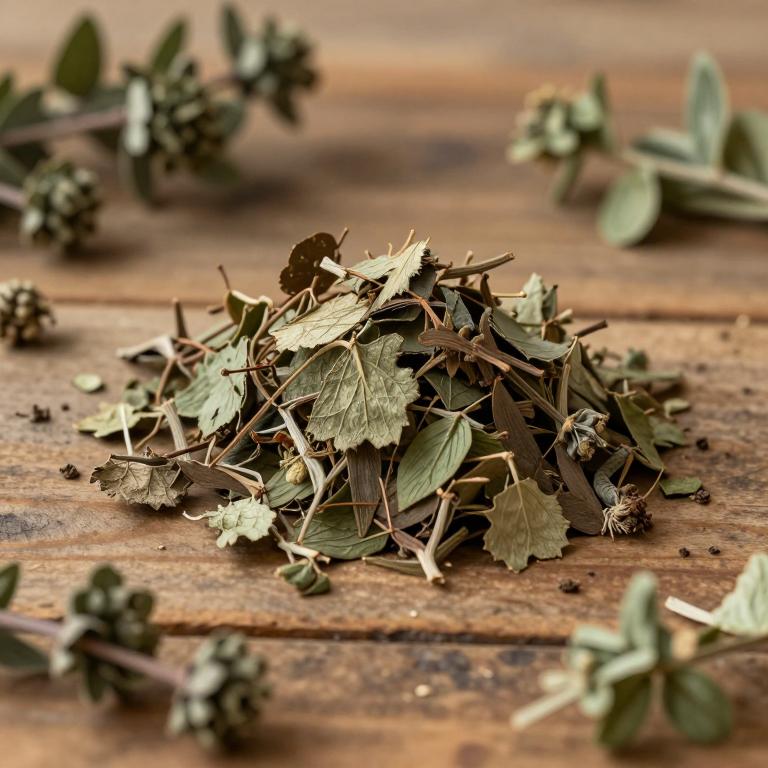
- Synonyms
- Not available
- Common names
- Not available
- Family
- Lauraceae
- Distribution
- Not available
- Plant Parts
- Not available
Classification
Common Names
Cryptocarya woodii is a distinctive species known by a variety of descriptive common names. In many regions, it is widely recognized as the Bastard Camphor Tree. It is also frequently referred to as the Cape Laurel, reflecting its botanical characteristics. Some local populations may identify the plant as the Cape Quince. Additionally, the name Cape Wild-Quince is often used to describe this unique specimen.
Sources: Catalogue of Life (COL)
Taxonomy
Cryptocarya woodii belongs to the vast kingdom Plantae, marking its place among the diverse world of living plants. Within this expansive realm, it is classified under the class Equisetopsida. The species is further organized into the order Laurales, which defines its evolutionary lineage. It holds a specific position within the family Lauraceae, a group known for its aromatic characteristics. Finally, this plant is identified by its unique membership in the genus Cryptocarya.
| Rank | Classification |
|---|---|
| Kingdom | Plantae |
| Phylum | Streptophyta |
| Class | Equisetopsida |
| Subclass | Magnoliidae |
| Order | Laurales |
| Family | Lauraceae |
| Genus | Cryptocarya |
Sources: The World Checklist of Vascular Plants (WCVP)
Distribution
Geographic Regions
Cryptocarya woodii is a resilient species with a broad geographic footprint across the African continent. Its natural range extends through South Tropical Africa, reaching into the diverse landscapes of Mozambique. Within Southern Africa, the plant is well-established across the Cape Provinces and the Northern Provinces. It also maintains a significant presence in the regions of Eswatini and KwaZulu-Natal. This widespread distribution highlights the plant's ability to thrive in various ecological niches throughout the region.
Sources: The World Checklist of Vascular Plants (WCVP)
Identification
Morphology
Cryptocarya woodii is a self-supporting tree that displays a versatile range of sizes in the wild. Depending on its environment, this species can reach a modest height of just 2 meters. However, under optimal conditions, it can grow significantly larger to reach a maximum height of 24 meters. This structural adaptability allows the plant to establish a strong presence within its native ecosystem.
Sources: Global Inventory of Floras and Traits (GIFT)
Biological Activities
Compounds
Conditions
Cryptocarya woodii serves as a substitute for the scarce medicinal plant Ocotea bullata, which is traditionally used to treat headaches. The pharmacological investigation focuses on its ability to inhibit cyclooxygenase-1 (COX-1) and cyclooxygenase-2 (COX-2) enzymes. Specifically, the bark extracts of C. woodii demonstrated outstanding equipotent activity against both COX-1 and COX-2. This enzymatic inhibition provides a biological basis for its potential use in managing headache symptoms. Consequently, the plant offers a promising alternative for medicinal purposes while addressing the scarcity of other species.