Cryptocarya myrtifolia
Cryptocarya myrtifolia · Accepted scientific name
Scientific literature: Very Sparse (0 studies) · ★☆☆☆☆
Cryptocarya myrtifolia is a versatile evergreen shrub native to the coastal regions of Australia. This plant is widely recognized for its glossy, dark green foliage and its ability to thrive in various environmental settings. Beyond its aesthetic appeal, certain traditional practices have explored its potential botanical properties. Specifically, some historical applications suggest its use in addressing various physical ailments, including the relief of a headache. Understanding its ecological role and medicinal history provides a deeper appreciation for this resilient species.
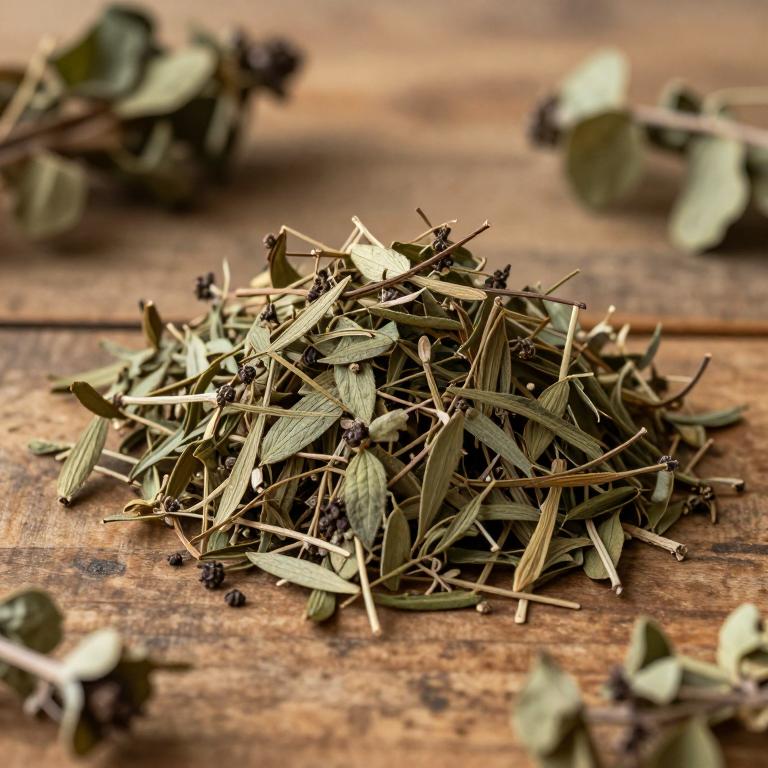
- Synonyms
- Cryptocarya Vaccinioides
- Common names
- Not available
- Family
- Lauraceae
- Distribution
- Not available
- Plant Parts
- Not available
Classification
Common Names
Cryptocarya myrtifolia is a versatile plant known by a diverse array of regional and descriptive names. It is frequently referred to as Myrtle Quince or Myrtle-Quince, highlighting its unique botanical characteristics. In certain areas, it is also recognized by the common name Myrtle Wild-Quince. Some local communities identify the species as Mirtekweper, adding a layer of cultural distinction to its identity. Additionally, the plant is often called Wild Camphor, a name that likely alludes to its aromatic qualities.
Sources: Catalogue of Life (COL)
Synonyms
Cryptocarya myrtifolia is a distinctive plant species that is often identified by various botanical names. In many scientific records, it is recognized by its synonym, Cryptocarya vaccinioides. This taxonomic overlap means that researchers and gardeners may encounter both terms when discussing the same organism. Understanding these naming relationships is essential for maintaining accurate botanical databases. Consequently, recognizing these synonyms ensures clarity when studying the plant's diverse ecological roles.
Sources: The World Checklist of Vascular Plants (WCVP)
Taxonomy
Cryptocarya myrtifolia belongs to the vast kingdom Plantae, representing a diverse branch of the living world. Within this kingdom, the species is classified under the class Equisetopsida. It further resides in the order Laurales, which helps define its evolutionary lineage. As a member of the family Lauraceae, it shares botanical characteristics with many other aromatic plants. Ultimately, this species is defined by its placement within the specific genus Cryptocarya.
| Rank | Classification |
|---|---|
| Kingdom | Plantae |
| Phylum | Streptophyta |
| Class | Equisetopsida |
| Subclass | Magnoliidae |
| Order | Laurales |
| Family | Lauraceae |
| Genus | Cryptocarya |
Sources: The World Checklist of Vascular Plants (WCVP)
Distribution
Geographic Regions
Cryptocarya myrtifolia is a distinctive plant species found primarily within the African continent. Its geographical range is specifically concentrated throughout the Southern Africa region. Within this area, the species is notably well-distributed across the various Cape Provinces. Furthermore, it maintains a significant presence in the lush landscapes of KwaZulu-Natal. These specific locations define the natural habitat where this plant continues to thrive.
Sources: The World Checklist of Vascular Plants (WCVP)
Identification
Morphology
Cryptocarya myrtifolia is a self-supporting species that establishes itself with a sturdy tree growth form. Depending on its environment, this plant typically reaches a minimum height of 3 meters. As it matures, it can continue to grow until it reaches a maximum height of 20 meters. This impressive stature allows the tree to become a prominent feature within its native landscape.
Sources: Global Inventory of Floras and Traits (GIFT)
Biological Activities
Compounds
Conditions
Cryptocarya myrtifolia is frequently utilized as a substitute plant for the scarce medicinal species Ocotea bullata. Because Ocotea bullata is widely reputed as a remedy against headache, this species is investigated for its pharmacological potential in similar therapeutic applications. Research focuses on the ability of Cryptocarya myrtifolia to inhibit cyclooxygenase-1 and cyclooxygenase-2 enzymes. Such inhibition serves as a scientific indication of its efficacy in treating headache-related symptoms. The study specifically evaluates the plant's extracts to confirm its ability to function as an effective medicinal alternative.