Croton piauhiensis
Croton piauhiensis · Accepted scientific name
Scientific literature: Very Sparse (0 studies) · ★☆☆☆☆
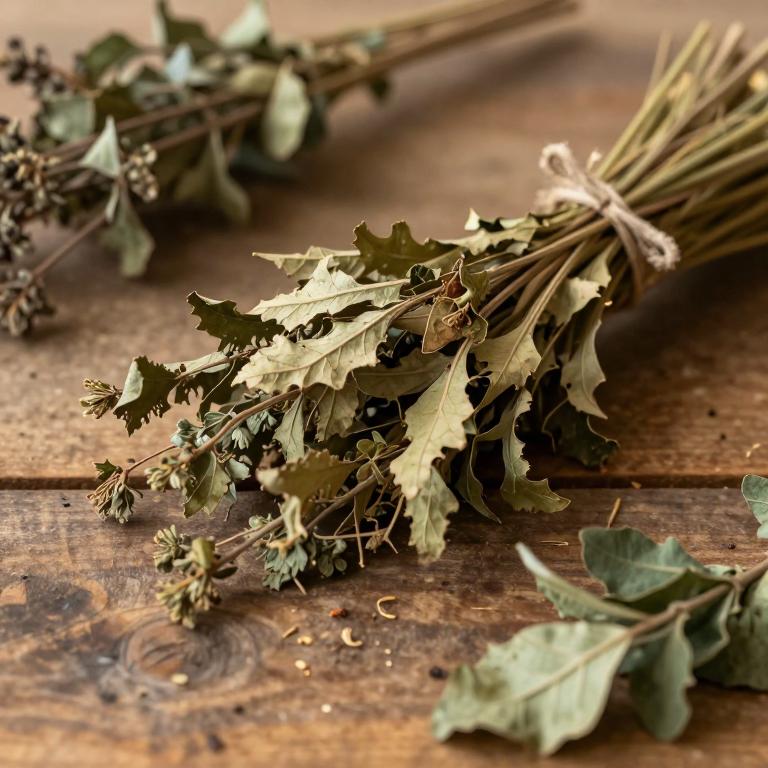
Croton piauhiensis is a unique botanical species often studied for its specific medicinal properties. This plant is primarily valued for the therapeutic potential found within its foliage. In various traditional practices, the leaves serve as the essential component for medicinal preparations. Researchers continue to explore how these leaf extracts can be effectively utilized in healthcare applications. Understanding the chemical composition of these preparations is key to unlocking the plant's full biological value.
- Synonyms
- Croton Agrarius Var. Inversus · Oxydectes Inversa
- Common names
- Not available
- Family
- Euphorbiaceae
- Distribution
- Not available
- Plant Parts
- Not available
Classification
Synonyms
Croton piauhiensis is a botanical species that is recognized through several different scientific names in taxonomic literature. Within various botanical databases, it is identified by the synonym Croton agrarius var. inversus. Furthermore, the plant is also associated with the nomenclature Oxydectes inversa. These overlapping classifications highlight the complex history of its naming and evolutionary grouping. Understanding these relationships is essential for researchers seeking to maintain accuracy in plant identification.
Sources: The World Checklist of Vascular Plants (WCVP)
Taxonomy
Croton piauhiensis is a distinct botanical species belonging to the kingdom Plantae. Within this vast kingdom, it is categorized under the class Equisetopsida. It specifically falls under the order Malpighiales, showcasing its unique evolutionary placement. Furthermore, this plant is a member of the diverse genus Croton. Finally, it is classified within the widely recognized family Euphorbiaceae.
| Rank | Classification |
|---|---|
| Kingdom | Plantae |
| Phylum | Streptophyta |
| Class | Equisetopsida |
| Subclass | Magnoliidae |
| Order | Malpighiales |
| Family | Euphorbiaceae |
| Genus | Croton |
Sources: The World Checklist of Vascular Plants (WCVP)
Distribution
Geographic Regions
Croton piauhiensis is a distinctive plant species primarily found within the diverse landscapes of South America. Its geographic range is most notably concentrated throughout the vast territories of Brazil. Within this country, the species exhibits a specific presence in the Northeast region, where local environmental conditions support its growth. This distribution highlights the plant's connection to the unique tropical ecosystems of the Brazilian landscape. Understanding these regional patterns provides valuable insight into the ecological niche occupied by this species.
Sources: The World Checklist of Vascular Plants (WCVP)
Identification
Morphology
Croton piauhiensis is characterized by its distinct shrub-like growth form. As a self-supporting species, it maintains its structure independently within its natural habitat.
Sources: Global Inventory of Floras and Traits (GIFT)
Biological Activities
Compounds
Conditions
Preparations
Croton piauhiensis is prepared as leaves for the purpose of phytochemical isolation. Researchers specifically utilized the leaves of this plant to extract the flavonoid kaempferol 7-O-β-D-(6″-O-cumaroyl)-glucopyranoside. This leaf-derived compound was then evaluated for its potential to enhance the effectiveness of existing antibiotics. By studying these prepared leaves, scientists identified a substance that shows synergistic effects when combined with aminoglycosides. Consequently, the medicinal properties found within the Croton piauhiensis leaves offer a pathway to combat bacterial resistance.