Croton draconoides
Croton draconoides · Accepted scientific name
Scientific literature: Very Sparse (0 studies) · ★☆☆☆☆
Croton draconoides is a fascinating plant species known for its unique biological properties and distinct physical appearance. In many traditional medicinal practices, this plant has been highly valued for its specific therapeutic potential. It is particularly recognized for its ability to assist in the natural processes of wound healing. By applying its bioactive compounds, practitioners aim to accelerate tissue repair and reduce inflammation at injury sites. Understanding the medicinal utility of this species offers valuable insights into its role in natural healthcare.
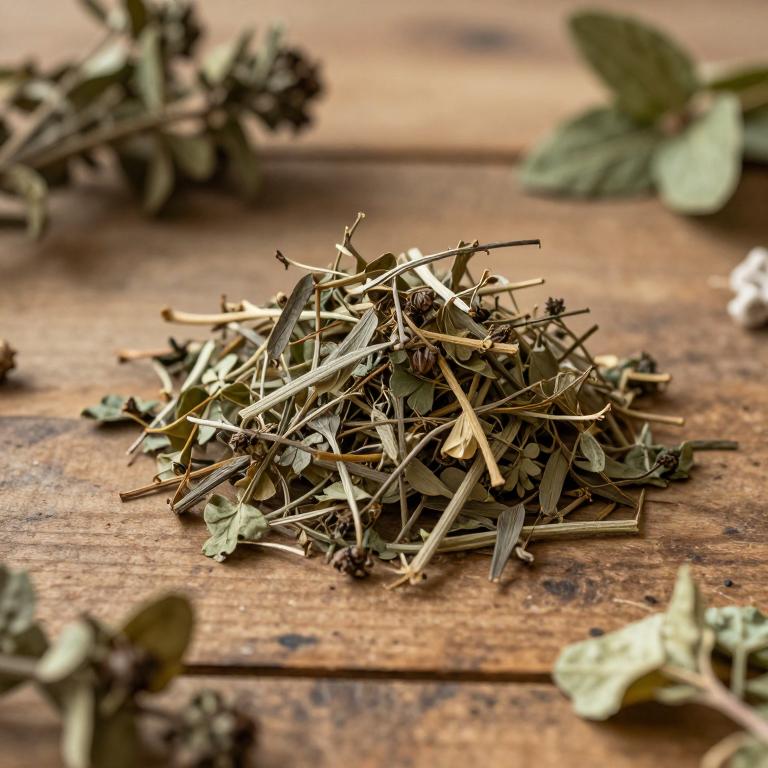
- Synonyms
- Oxydectes Draconoides
- Common names
- Not available
- Family
- Euphorbiaceae
- Distribution
- Not available
- Plant Parts
- Not available
Classification
Common Names
Croton draconoides is a distinctive plant that is widely recognized by its common name, sangre grado. This name translates to "dragon's blood," a direct reference to the striking, deep red sap that flows from its bark. Such a vivid characteristic has made the species a subject of great interest in both botanical studies and traditional practices. Because of its unique appearance and medicinal reputation, it holds a special place in local folklore and ecological discussions. Understanding this plant requires appreciating the deep connection between its physical traits and the identity bestowed upon it by name.
Sources: Catalogue of Life (COL)
Synonyms
Croton draconoides is a botanical species that is also recognized by the scientific synonym Oxydectes draconoides. While these two names refer to the exact same organism, the shift in nomenclature reflects changes in taxonomic classification over time. Understanding these synonymous relationships is essential for researchers seeking to track the plant across different historical databases. By acknowledging both terms, botanists can ensure accuracy when documenting the plant's unique characteristics and distribution. Consequently, recognizing this link prevents confusion when navigating the complex world of plant taxonomy.
Sources: The World Checklist of Vascular Plants (WCVP)
Taxonomy
Croton draconoides is a unique botanical specimen that belongs to the vast kingdom Plantae. Within this diverse kingdom, the plant is classified under the class Equisetopsida. It further falls into the order Malpighiales, showcasing its specific evolutionary lineage. As a member of the genus Croton, it shares structural similarities with many of its close relatives. Finally, this species is nested within the Euphorbiaceae family, marking its place in the complex web of plant life.
| Rank | Classification |
|---|---|
| Kingdom | Plantae |
| Phylum | Streptophyta |
| Class | Equisetopsida |
| Subclass | Magnoliidae |
| Order | Malpighiales |
| Family | Euphorbiaceae |
| Genus | Croton |
Sources: The World Checklist of Vascular Plants (WCVP)
Distribution
Geographic Regions
Croton draconoides exhibits a widespread presence across various regions of South America. Its distribution spans extensively through Brazil, encompassing the Northeast, North, and West-Central territories. Beyond Brazil, the species can also be found throughout Northern South America, specifically within French Guiana. Its range extends further west into the landscapes of Peru. This broad geographical reach highlights the plant's adaptability to diverse South American environments.
Sources: The World Checklist of Vascular Plants (WCVP)
Identification
Morphology
Croton draconoides adopts a tree-like growth form as it matures within its ecosystem. This robust structure allows the plant to remain entirely self-supporting without the need for external climbing aids.
Sources: Global Inventory of Floras and Traits (GIFT)
Biological Activities
Compounds
Conditions
Croton draconoides is a species of dragon's blood used in South American popular medicine for the purpose of wound healing. This plant produces a red viscous latex extracted from its cortex that contains biologically active principles. Research has identified a specific dihydrobenzofuran lignan within this latex that plays a significant role in its medicinal properties. While the compound inhibits certain types of cell proliferation, it also serves to protect cells against degradation. These unique chemical characteristics support the traditional use of the plant in treating skin injuries.