Croton discolor
Croton discolor · Accepted scientific name
Scientific literature: Very Sparse (3 studies) · ★☆☆☆☆
Croton discolor, scientifically known as Croton discolor, is a striking ornamental shrub native to tropical regions. Renowned for its velvety, purplish-bronze foliage, it serves both aesthetic and medicinal purposes. In traditional practices, various parts of this plant are utilized for their diverse bioactive properties and therapeutic potential.
- Family
- Euphorbiaceae
- Native range
- Northern America
- Parts used
- Not available
- Common names
- Not available
- Scientific synonyms
- Oxydectes Discolor · Cascarilla Discolor
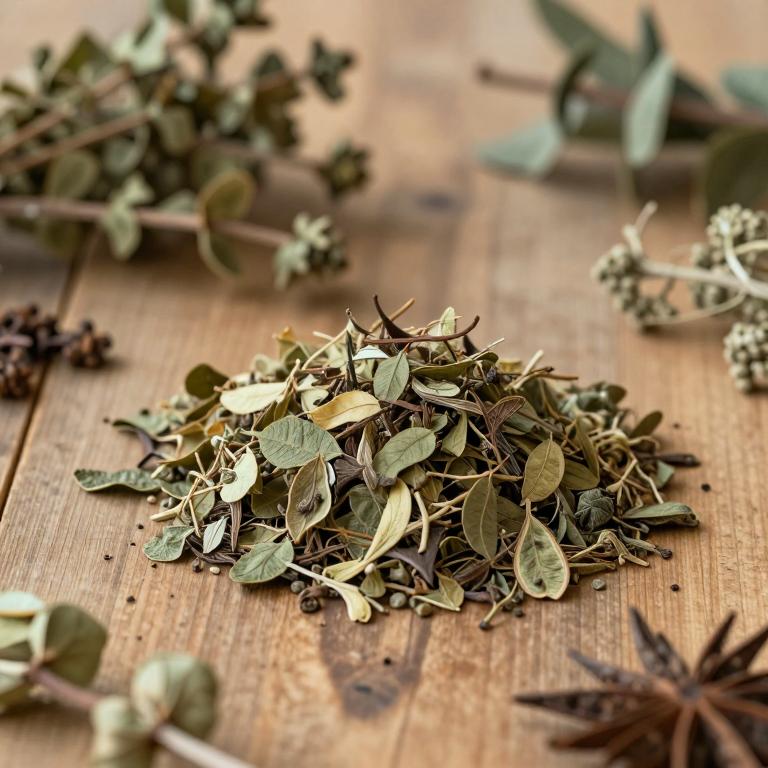
Names and Synonyms
Scientific Names
Accepted name
Croton discolorSynonyms
- Oxydectes discolor
- Cascarilla discolor
Regional and Traditional Names
French:
- Cascarilla discolor
- Oxydectes discolor
Sources: Wikidata, Catalogue of Life
Taxonomical Classification
This plant, known scientifically as Croton discolor, belongs to the kingdom Plantae and the phylum Streptophyta. Within the class Equisetopsida and subclass Magnoliidae, it is classified under the order Malpighiales and the family Euphorbiaceae. It is specifically identified under the genus Croton.
| Rank | Classification |
|---|---|
| Kingdom | Plantae |
| Phylum | Streptophyta |
| Class | Equisetopsida |
| Subclass | Magnoliidae |
| Order | Malpighiales |
| Family | Euphorbiaceae |
| Genus | Croton |
Sources: The World Checklist of Vascular Plants (WCVP)
Distribution
This plant is primarily found within the southeastern United States, specifically occurring in the state of Florida. Its presence extends significantly into the Caribbean region, where it thrives in various island environments. It can be located throughout the Bahamas and across the island of Hispaniola, including the Dominican Republic and Haiti. Additionally, the species is distributed among the islands of the Leeward archipelago. Together, these locations define the tropical and subtropical range of Croton discolor.
| Region | Area |
|---|---|
| Southeastern U.S.A. | Florida |
| Caribbean | Bahamas |
| Caribbean | Dominican Republic |
| Caribbean | Haiti |
| Caribbean | Leeward Is. |
| Caribbean | Puerto Rico |
| Caribbean | Turks-Caicos Is. |
Sources: The World Checklist of Vascular Plants (WCVP)
Botanical Identification
Life history
The life history of Croton discolor is characterized by its classification as a perennial organism, meaning it maintains its existence through multiple growing seasons rather than completing its cycle within a single year. In terms of its structural growth habit and survival strategy, the plant exhibits a dual classification regarding its life form; it is primarily categorized as a phanerophyte, indicating that its stem or woody parts are elevated well above the ground level to survive unfavorable conditions, while it also demonstrates characteristics of a nanophanerophyte, where the reproductive or leafy structures are held close to the soil surface. This combination of life forms allows the species to establish a persistent presence in its natural habitat, utilizing its perennial nature to endure seasonal fluctuations through its specialized growth architecture.
- Life form :
- nanophanerophyte
- Life form :
- phanerophyte
- Lifecycle :
- perennial
Morphology
The morphology of Croton discolor is characterized by a woody growth form, specifically presenting as a shrub. It is a terrestrial plant, existing independently without any parasitic or epiphytic requirements, and it does not exhibit aquatic or semiaquatic tendencies. In terms of its structural habit, it is a self-supporting organism rather than a climber, liana, or vine, maintaining its upright stature through its own woody framework.
- Aquatic :
- terrestrial
- Climber :
- self-supporting
- Epiphyte :
- terrestrial
- Growth form :
- shrub
- Parasite :
- independent
- Woodiness :
- woody
Sources: Global Inventory of Floras and Traits (GIFT)
Activities
Croton discolor has 2 reported activities identified across 0 scientific publications and several other databases. The most consistently reported activities include Anticancer, Cytotoxic.
| Activity | Supporting sources | Consensus |
|---|---|---|
| Anticancer | 1 supporting sources | ★☆☆☆☆ |
| Cytotoxic | 1 supporting sources | ★☆☆☆☆ |
Anticancer
- Puerto Rico health sciences journal
Cytotoxic
- Puerto Rico health sciences journal
Conditions
Croton discolor has 1 reported investigations on conditions identified across 0 scientific publications and several other databases. The most consistently reported conditions include breast cancer.
| Condition | Supporting sources | Consensus |
|---|---|---|
| Breast cancer | 1 supporting sources | ★☆☆☆☆ |
Breast cancer
- Puerto Rico health sciences journal
Preparations
Croton discolor has 1 reported preparations identified across 0 scientific publications and several other databases. The most consistently reported preparations include dried plant material.
| Preparation | Supporting sources | Consensus |
|---|---|---|
| Dried plant material | 1 supporting sources | ★☆☆☆☆ |
Dried plant material
- Puerto Rico health sciences journal