Croton celtidifolius
Croton celtidifolius · Accepted scientific name
Scientific literature: Very Sparse (5 studies) · ★☆☆☆☆
, scientifically known as Croton celtidifolios, is a versatile medicinal shrub widely recognized in traditional herbal medicine. Renowned for its potent bioactive compounds, this plant is frequently utilized to treat various ailments, including skin infections and inflammation. Its unique phytochemical properties make it a subject of significant pharmacological interest.
- Family
- Euphorbiaceae
- Native range
- Southern America
- Parts used
- Not available
- Common names
- Not available
- Scientific synonyms
- Oxydectes Celtidifolia · Croton Cynanchicus · 2 more
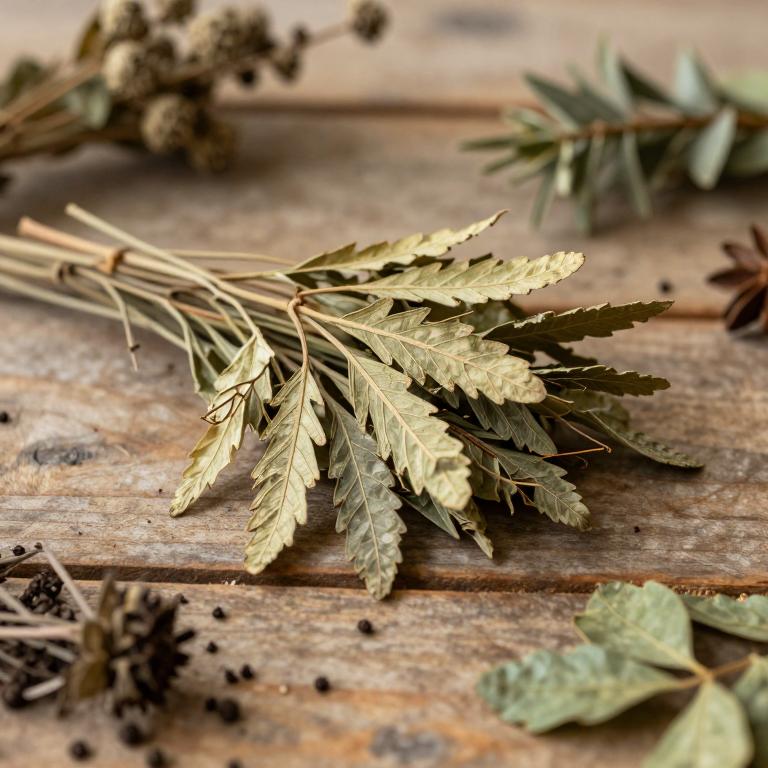
Names and Synonyms
Scientific Names
Accepted name
Croton celtidifoliusSynonyms
- Oxydectes celtidifolia
- Croton cynanchicus
- Croton oreophilus
- Croton sanguis-draconis
Regional and Traditional Names
French:
- Croton cynanchicus
- Croton oreophilus
- Croton sanguis-draconis
- Oxydectes celtidifolia
Sources: Wikidata, Catalogue of Life
Taxonomical Classification
This plant belongs to the kingdom Plantae and the phylum Streptophyta, specifically classified within the class Equisetopsida and subclass Magnoliidae. It is further organized under the order Malpighiales and the family Euphorbiaceae. Ultimately, it is identified by the genus Croton, which includes the species Croton celtidifolius.
| Rank | Classification |
|---|---|
| Kingdom | Plantae |
| Phylum | Streptophyta |
| Class | Equisetopsida |
| Subclass | Magnoliidae |
| Order | Malpighiales |
| Family | Euphorbiaceae |
| Genus | Croton |
Sources: The World Checklist of Vascular Plants (WCVP)
Distribution
This plant exhibits a broad presence across several key regions within the country of Brazil. Specifically, its natural range encompasses the diverse landscapes of Brazil West-Central. It is also found growing throughout the various territories of Brazil Northeast. Furthermore, the species extends its reach into the environmental zones of Brazil Southeast. Finally, the geographical distribution of this medicinal plant includes the areas of Brazil South.
| Region | Area |
|---|---|
| Brazil | Brazil West-Central |
| Brazil | Brazil Northeast |
| Brazil | Brazil Southeast |
| Brazil | Brazil South |
Sources: The World Checklist of Vascular Plants (WCVP)
Botanical Identification
Ecology
The ecology of Croton celtidifolius is characterized by its presence within the Floresta Ombrófila (also known as Floresta Pluvial), where it thrives in high-moisture environments typical of rainforest ecosystems. This species exhibits a broad altitudinal distribution, occupying a vertical range that extends from sea level (0 m AMSL) up to an elevation of 1000 m AMSL.
- Elevational range max:
- 1000 m AMSL
- Elevational range min:
- 0 m AMSL
- Habitat :
- Floresta Ombrófila (= Floresta Pluvial)
Life history
The life history of Croton celdiiifolius is characterized by a perennial lifecycle, allowing the plant to persist through multiple growing seasons and maintain a stable presence within its ecosystem. Structurally, it exhibits a dual classification of life forms depending on its developmental stage and environmental niche; it is primarily categorized as a phanerophyte, characterized by its woody stems that hold the buds well above the ground level, yet it also manifests traits of a nanophanerophyte, where the growth form may be more compact with smaller, woody stems. This combination of life strategies enables the species to establish robust, long-term biological structures while adapting its height and growth habit to its specific ecological surroundings.
- Life form :
- nanophanerophyte
- Life form :
- phanerophyte
- Lifecycle :
- perennial
Morphology
The morphology of Croton celtidifolius is characterized by a woody growth form that typically manifests as a shrub or a small tree. As a terrestrial plant, it functions as an independent organism, lacking parasitic or epiphytic tendencies. The species is self-supporting in its structure, reaching a maximum plant height of approximately 6 meters. Its overall development is defined by its robust, woody nature, allowing it to maintain a stable presence within its terrestrial habitat.
- Aquatic :
- terrestrial
- Climber :
- self-supporting
- Epiphyte :
- terrestrial
- Growth form :
- tree
- Growth form :
- shrub
- Parasite :
- independent
- Plant height max:
- 6 m
- Woodiness :
- woody
Sources: Global Inventory of Floras and Traits (GIFT)
Chemicals
Croton celtidifolius has 3 reported phytochemicals identified across 0 scientific publications and several other databases. The most consistently reported chemicals include CATECHIN, Gallocatechin, Proanthocyanidins.
| Chemical | Supporting sources | Consensus |
|---|---|---|
| CATECHIN | 1 supporting sources | ★☆☆☆☆ |
| Gallocatechin | 1 supporting sources | ★☆☆☆☆ |
| Proanthocyanidins | 1 supporting sources | ★☆☆☆☆ |
CATECHIN
- Phytomedicine : international journal of phytotherapy and phytopharmacology
Gallocatechin
- Phytomedicine : international journal of phytotherapy and phytopharmacology
Proanthocyanidins
- Phytomedicine : international journal of phytotherapy and phytopharmacology
Activities
Croton celtidifolius has 1 reported activities identified across 0 scientific publications and several other databases. The most consistently reported activities include Antioxidant.
| Activity | Supporting sources | Consensus |
|---|---|---|
| Antioxidant | 1 supporting sources | ★☆☆☆☆ |
Antioxidant
- Phytomedicine : international journal of phytotherapy and phytopharmacology
Preparations
Croton celtidifolius has 5 reported preparations identified across 0 scientific publications and several other databases. The most consistently reported preparations include aqueous fraction (AqF), bark and leaf infusions, butanolic fraction (BuF), crude extract (CE), ethyl acetate fraction (EAF).
| Preparation | Supporting sources | Consensus |
|---|---|---|
| Aqueous fraction (aqf) | 1 supporting sources | ★☆☆☆☆ |
| Bark and leaf infusions | 1 supporting sources | ★☆☆☆☆ |
| Butanolic fraction (buf) | 1 supporting sources | ★☆☆☆☆ |
| Crude extract (ce) | 1 supporting sources | ★☆☆☆☆ |
| Ethyl acetate fraction (eaf) | 1 supporting sources | ★☆☆☆☆ |
Aqueous fraction (aqf)
- Phytomedicine : international journal of phytotherapy and phytopharmacology
Bark and leaf infusions
- Phytomedicine : international journal of phytotherapy and phytopharmacology
Butanolic fraction (buf)
- Phytomedicine : international journal of phytotherapy and phytopharmacology
Crude extract (ce)
- Phytomedicine : international journal of phytotherapy and phytopharmacology
Ethyl acetate fraction (eaf)
- Phytomedicine : international journal of phytotherapy and phytopharmacology