Croton campestris
Croton campestris · Accepted scientific name
Scientific literature: Very Sparse (0 studies) · ★☆☆☆☆
Croton campestris is a plant species that has garnered significant attention due to its diverse pharmacological potential. Recent scientific investigations have focused on its ability to combat various oral pathogens and conditions. Specifically, research explores its efficacy against microorganisms such as Aggregatibacter actinomycetemcomitans and Candida albicans. Furthermore, the plant shows promise in managing dental caries and alleviating the symptoms associated with denture stomatitis. Understanding these antimicrobial properties highlights the importance of this species in developing new oral health treatments.
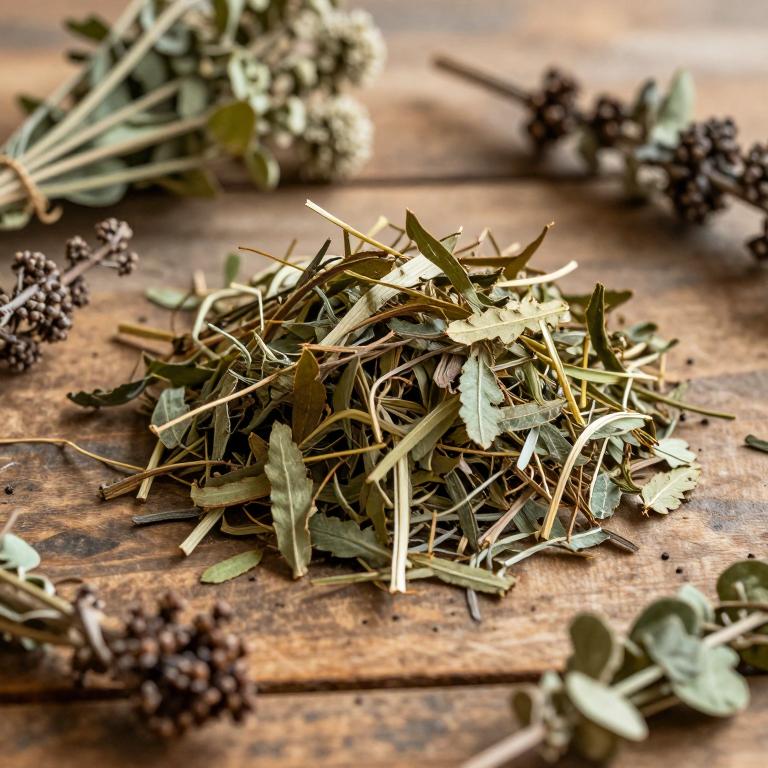
- Synonyms
- Croton Campestris Var. Grandivelus · Oxydectes Campestris · 8 more
- Common names
- Not available
- Family
- Euphorbiaceae
- Distribution
- Not available
- Plant Parts
- Not available
Classification
Common Names
Croton campestris, widely recognized by its common name كروتون حقلي, is a distinctive plant that plays a unique role in its natural habitat. This species is often distinguished by its specific growth patterns and the vibrant characteristics that define its appearance. Understanding its biological relationships helps researchers grasp how it interacts with the surrounding ecosystem and local fauna. By studying these connections, botanists can better appreciate the ecological importance of this particular variety. Ultimately, documenting the presence of كروتون حقلي provides valuable insights into the biodiversity of the regions where it thrives.
Sources: Catalogue of Life (COL)
Synonyms
Croton campestris is a complex botanical subject that encompasses several distinct taxonomic variations. Within its classification, the plant is linked to the synonym Croton agrarius var. laetifolius. Researchers also recognize several specific varieties, including Croton campestris var. angustifolius and Croton campestris var. dupariaei. Furthermore, the species includes the recognized forms of Croton campestris var. grandivelus and Croton campestris var. laetifolius. Understanding these various synonyms is essential for accurate botanical identification and study.
Sources: The World Checklist of Vascular Plants (WCVP)
Taxonomy
Croton campestris is a fascinating botanical specimen belonging to the kingdom Plantae. Within this vast kingdom, it is classified under the class Equisetopsida. The plant is further organized into the order Malpighiales, showcasing its unique evolutionary lineage. It holds a prominent position within the genus Croton, a group known for its diverse characteristics. Finally, this species is a distinguished member of the family Euphorbiaceae.
| Rank | Classification |
|---|---|
| Kingdom | Plantae |
| Phylum | Streptophyta |
| Class | Equisetopsida |
| Subclass | Magnoliidae |
| Order | Malpighiales |
| Family | Euphorbiaceae |
| Genus | Croton |
Sources: The World Checklist of Vascular Plants (WCVP)
Distribution
Geographic Regions
Croton campestris is widely distributed throughout Southern America, with a particularly strong presence across the diverse landscapes of Brazil. This species can be found spanning the vast reaches of Brazil North and the tropical stretches of Brazil Northeast. Its range continues southward, encompassing the regions of Brazil South and Brazil Southeast. Additionally, the plant is well-established within the central territories of Brazil West-Central. Collectively, these patterns highlight the extensive ecological footprint this plant maintains across the South American continent.
Sources: The World Checklist of Vascular Plants (WCVP)
Identification
Morphology
Croton campestris is characterized by its distinct shrub-like growth form. This hardy plant grows as a self-supporting species that maintains its structure independently.
Sources: Global Inventory of Floras and Traits (GIFT)
Biological Activities
Compounds
Conditions
Croton campestris demonstrates significant therapeutic potential through its ability to treat various pathogenic microorganisms. Specifically, its extracts exhibit antimicrobial activity against Aggregatibacter actinomycetemcomitans, Candida albicans, Staphylococcus aureus, and Streptococcus mutans. These properties suggest the plant could serve as an alternative treatment for oral infections such as dental caries and periodontitis. Furthermore, the plant extract provides protective medicinal benefits against absolute ethanol-induced gastric lesions in rodent models. This dual capability highlights its effectiveness in both oral antimicrobial defense and the treatment of gastric disorders.