Crotalaria berteroana var. berteroana
Crotalaria berteroana var. berteroana · Accepted scientific name
Scientific literature: Very Sparse (0 studies) · ★☆☆☆☆
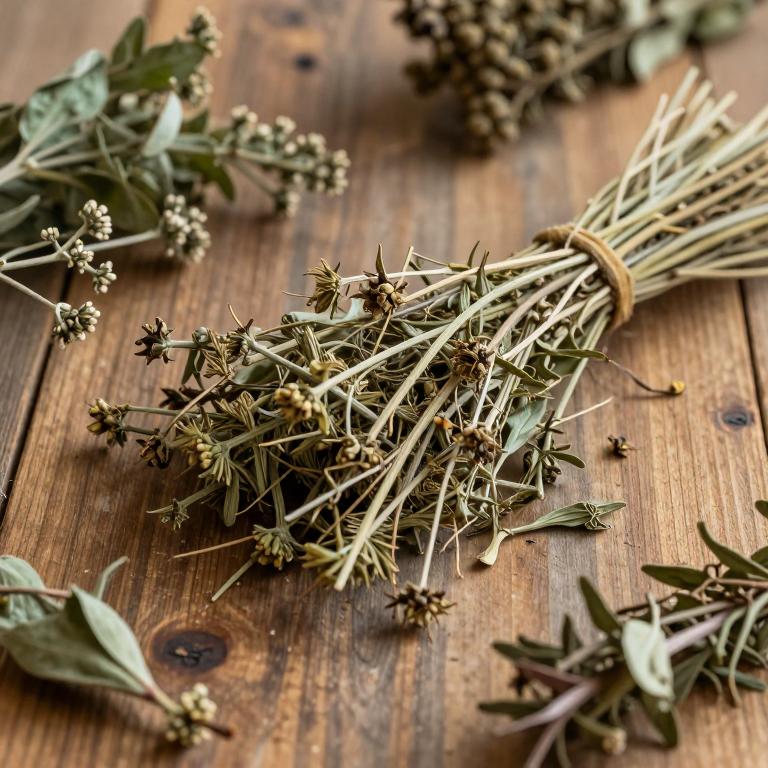
Crotalaria berteroana var. berteroana is a distinctive botanical species known for its unique medicinal potential. This plant contains the bioactive chemical fulvine, which plays a significant role in its biological profile. Many practitioners utilize this species to create a specialized herbal remedy for various health purposes. Understanding its chemical composition is essential for those studying its traditional applications. As a member of the Fabaceae family, it remains a subject of interest in ethnobotanical research.
- Synonyms
- Crotalaria Fulva · Crotalaria Grandis
- Common names
- Not available
- Family
- Fabaceae
- Distribution
- Asia-Tropical
- Plant Parts
- Not available
Classification
Synonyms
Crotalaria berteroana var. berteroana is a botanical subject that carries several different scientific names within its taxonomic history. Researchers have identified Crotalaria fulva as a recognized synonym for this specific variety. Additionally, the plant is also referred to by the synonym Crotalaria grandis in various botanical records. These overlapping classifications can sometimes create confusion for those studying plant nomenclature. Understanding these relationships is essential for maintaining accurate documentation across different scientific databases.
Sources: The World Checklist of Vascular Plants (WCVP)
Taxonomy
Crotalaria berteroana var. berteroana is a distinctive biological entity belonging to the kingdom Plantae. Within this vast kingdom, it is specifically classified under the class Equisetopsida. Its taxonomic lineage continues through the order Fabales, placing it among a diverse group of flowering plants. Furthermore, this variety is a member of the family Fabaceae, which is known for its significant nitrogen-fixing capabilities. Ultimately, it is identified by its specific genus, Crotalaria, which defines its unique botanical characteristics.
| Rank | Classification |
|---|---|
| Kingdom | Plantae |
| Phylum | Streptophyta |
| Class | Equisetopsida |
| Subclass | Magnoliidae |
| Order | Fabales |
| Family | Fabaceae |
| Genus | Crotalaria |
Sources: The World Checklist of Vascular Plants (WCVP)
Distribution
Geographic Regions
Crotalaria berteroana var. berteroana is a distinctive plant species with a widespread presence across the African continent. Its range extends significantly into the Western Indian Ocean, where it thrives in various island ecosystems. Specifically, this variety can be found inhabiting the unique landscapes of Madagascar and the Seychelles. It also maintains established populations throughout the island nations of Mauritius and Réunion. This broad distribution highlights the plant's ability to adapt to the diverse environments found throughout this tropical region.
Sources: The World Checklist of Vascular Plants (WCVP)
Identification
Biological Activities
Compounds
Crotalaria berteroana var. berteroana is closely related to species containing the toxic alkaloid fulvine, which has been linked to severe medical complications. Research indicates that the ingestion of plants containing this substance can lead to veno-occlusive disease of the liver. Studies on both humans and rats have demonstrated that fulvine exposure causes significant chromosomal damage, including gaps, breaks, and dicentric chromosomes. This observed nuclear damage suggests a potent mutagenic effect similar to that found in other pyrrolizidine alkaloids. Consequently, understanding these plant relationships is vital for identifying the risks associated with certain herbal remedies.
Conditions
Preparations
Crotalaria berteroana var. berteroana is prepared as a herbal remedy, though the provided research specifically investigates the toxic effects of the related species Crotalaria fulva. This plant contains the alkaloid fulvine, which is consumed in certain regions such as Jamaica for medicinal purposes. The ingestion of this herbal remedy has been linked to the development of veno-occlusive disease in both humans and rats. Studies indicate that the consumption of such plants can lead to significant chromosomal damage, including gaps, breaks, and dicentrics. Consequently, the use of these botanical remedies poses serious risks to nuclear stability and liver health.