Crotalaria aegyptiaca
Crotalaria aegyptiaca · Accepted scientific name
Scientific literature: Very Sparse (0 studies) · ★☆☆☆☆
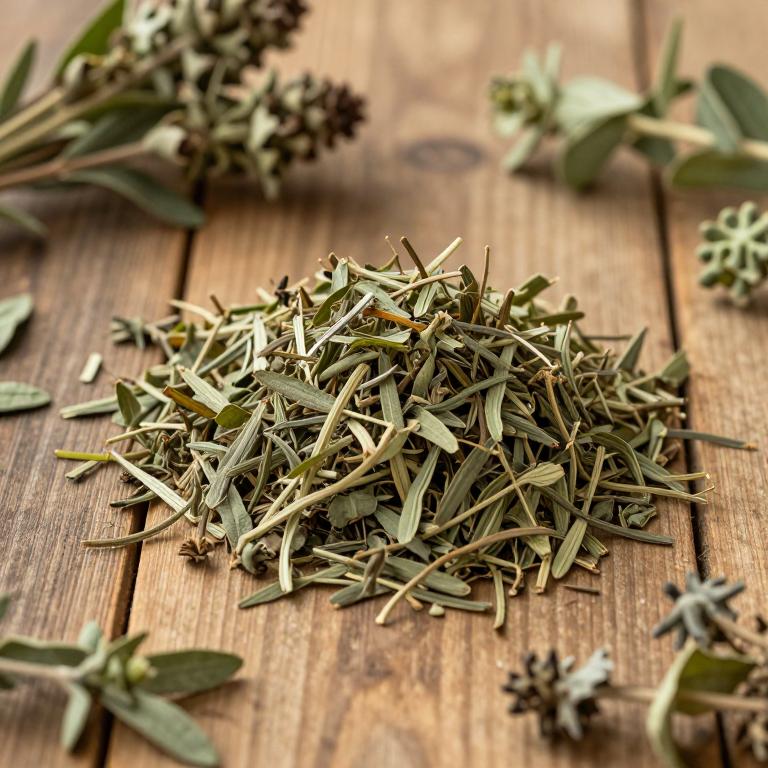
Crotalaria aegyptiaca is a distinctive legume species recognized for its unique botanical characteristics and medicinal potential. This plant is frequently studied for its bioactive compounds, which serve as the foundation for various therapeutic applications. Researchers often focus on the production of specialized extracts to isolate these potent chemical constituents. By utilizing different extraction methods, scientists aim to harness the plant's natural properties for pharmacological use. Understanding these preparations is essential for unlocking the full medicinal value of this versatile species.
- Synonyms
- Crotalaria Wissmannii
- Common names
- Not available
- Family
- Fabaceae
- Distribution
- Asia-Tropical
- Plant Parts
- Not available
Classification
Common Names
Crotalaria aegyptiaca is a distinctive botanical species known by various regional identifiers. In Russian-speaking areas, it is frequently referred to by the common name Кроталярия египетская. Similarly, Hebrew speakers recognize this plant through the name קרוטלריה מצרית. These linguistic variations highlight how different cultures categorize the same organism within their unique terminologies. Understanding these common names is essential for researchers and gardeners navigating international botanical databases.
Sources: Catalogue of Life (COL)
Synonyms
Crotalaria aegyptiaca is a distinctive species that is frequently identified in botanical literature under a different name. Researchers and botanists often encounter this plant listed by its synonym, Crotalaria wissmannii. This nomenclatural connection ensures that different studies referring to the same organism remain scientifically consistent. Understanding these synonymous relationships is essential for anyone conducting detailed taxonomic research. Consequently, recognizing both names allows for a more comprehensive grasp of the plant's biological history.
Sources: The World Checklist of Vascular Plants (WCVP)
Taxonomy
Crotalaria aegyptiaca is a distinctive species belonging to the kingdom Plantae. Within this vast botanical realm, the plant is classified under the class Equisetopsida. It further resides in the order Fabales, which helps define its specific evolutionary path. As a member of the family Fabaceae, it shares characteristics with many well-known legumes. Ultimately, this plant is identified by its specific genus, Crotalaria.
| Rank | Classification |
|---|---|
| Kingdom | Plantae |
| Phylum | Streptophyta |
| Class | Equisetopsida |
| Subclass | Magnoliidae |
| Order | Fabales |
| Family | Fabaceae |
| Genus | Crotalaria |
Sources: The World Checklist of Vascular Plants (WCVP)
Distribution
Geographic Regions
Crotalaria aegyptiaca is a resilient species with a broad geographic range spanning across multiple continents. In Africa, it is widely distributed throughout the Northeast Tropical regions, including parts of Somalia and the stretch from Sudan to South Sudan. Its presence also extends into Northern Africa, where it is notably found within the borders of Egypt. Moving toward Asia, the plant thrives in temperate zones across the Arabian Peninsula. This distribution specifically includes the Gulf States and the nation of Oman, highlighting its adaptability to diverse environments.
Sources: The World Checklist of Vascular Plants (WCVP)
Identification
Morphology
Crotalaria aegyptiaca is characterized by its distinctive growth form as a subshrub.
Sources: Global Inventory of Floras and Traits (GIFT)
Biological Activities
Compounds
Conditions
Crotalaria aegyptiaca is identified as one of the eight desert plants that exhibits persistent hypoglycaemic effects. In the study involving various Egyptian plant extracts, this specific species demonstrated its ability to lower blood glucose levels. The research compared the results of these extracts against a standard oral hypoglycaemic drug used as a positive control. By testing extracts on both normal and alloxanised rats, researchers were able to observe the sustained medicinal activity of the plant. Consequently, Crotalaria aegyptiaca stands out as a significant candidate for treating hypoglycaemic conditions within this botanical survey.
Preparations
Crotalaria aegyptiaca is prepared as extracts to investigate its potential medicinal properties. In the studied research, these specific plant extracts were orally administered to both normal and alloxanised rats. The testing process revealed that this plant exhibits persistent hypoglycaemic effects following its administration. By utilizing these extracts, researchers were able to compare the plant's biological activity against a standard oral hypoglycaemic drug. This method of preparing the plant as an extract allowed for a clear assessment of its impact on blood glucose levels.