Crepis heldreichiana
Crepis heldreichiana · Accepted scientific name
Scientific literature: Very Sparse (2 studies) · ★☆☆☆☆
Crepis heldreichiana, scientifically known as Crepis heldreichiana, is a remarkable perennial herb native to the mountainous regions of Europe and Asia. Belonging to the Asteraceae family, this plant is valued in traditional ethnobotany for its bioactive compounds, offering potential therapeutic benefits through its unique phytochemical properties and antioxidant capabilities.
- Family
- Asteraceae
- Native range
- Europe
- Parts used
- Not available
- Common names
- Not available
- Scientific synonyms
- Hieracioides Heldreichiana
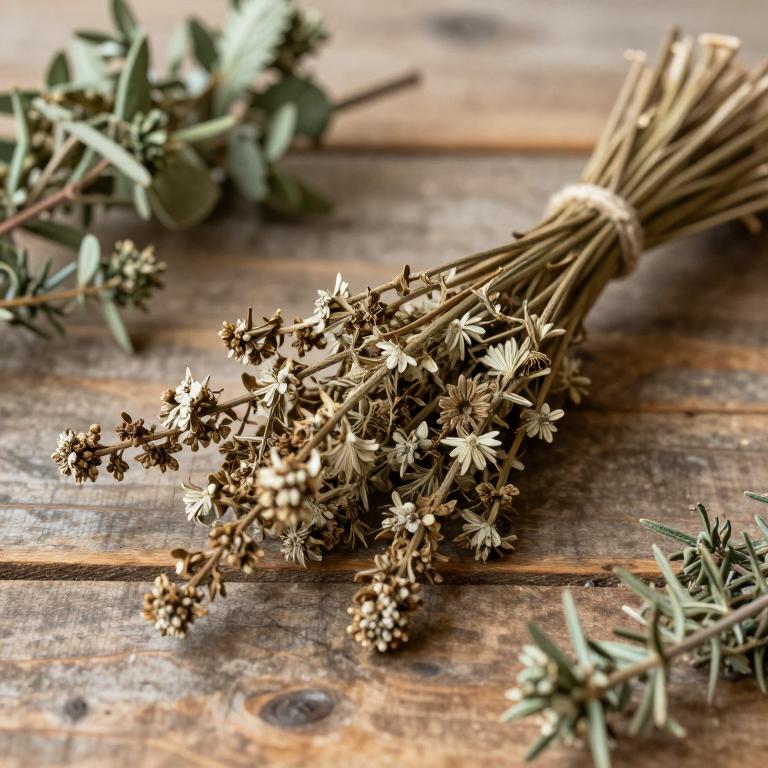
Names and Synonyms
Scientific Names
Accepted name
Crepis heldreichianaSynonyms
- Hieracioides heldreichiana
Sources: Wikidata
Taxonomical Classification
This plant belongs to the kingdom Plantae and the phylum Streptophyta, falling under the class Equisetopsida and subclass Magnoliidae. Within the order Asterales, it is classified under the family Asteraceae and the genus Crepis. Specifically, this medicinal species is identified by its scientific name, Crepis heldreichiana.
| Rank | Classification |
|---|---|
| Kingdom | Plantae |
| Phylum | Streptophyta |
| Class | Equisetopsida |
| Subclass | Magnoliidae |
| Order | Asterales |
| Family | Asteraceae |
| Genus | Crepis |
Sources: The World Checklist of Vascular Plants (WCVP)
Distribution
This plant is specifically native to a very limited area within the Balkan Peninsula. Its documented geographical range is concentrated primarily in Southeastern Europe. Within this region, the species can be found growing in the wild landscapes of Greece. Because of this restricted habitat, it is considered an endemic species to these specific territories. Consequently, its survival is closely tied to the unique environmental conditions of the Greek mountains.
| Region | Area |
|---|---|
| Southeastern Europe | Greece |
Sources: The World Checklist of Vascular Plants (WCVP)
Botanical Identification
Life history
The life history of Crepis heldreichiana is characterized by its specific survival strategy as a hemicryptophyte, a life form that enables it to persist in its natural habitats by protecting its perennating buds at the soil surface level during unfavorable seasons. Within the classification of its biological structure, it functions as a hemicryptophyte, specifically categorized under the broader life form designations that include nanophanerophyte, phaenrophyte, chamaephyte, geophyte, hydrophyte, helophyte, therophyte, and lithophyte, though it adheres strictly to the hemicryptophyte growth pattern. This life history allows the plant to endure environmental fluctuations, utilizing its seasonal growth cycles to emerge from the ground level once favorable conditions return, ensuring its long-term presence within its ecological niche.
- Life form :
- hemicryptophyte
Morphology
The morphology of Crepis heldreichiana is characterized by its growth habit as a terrestrial herb, rather than being aquatic or semiaquatic. The plant typically features a basal rosette of leaves that are often elongated or lanceolate with varying degrees of lobing or dentation along the margins. The stems are erect, arising from the rosette, and are often sparsely branched toward the apex, bearing smaller, alternate leaves as they ascend. The inflorescence is composed of several heads (capitula) arranged in a corymbose or panicle-like structure, with each head containing numerous yellowish florets typical of the Asteraceae family. The involucral bracts surrounding the flower heads are arranged in multiple series, providing protection to the developing florets. The root system is primarily composed of a sturdy taproot that facilitates its stability in terrestrial soil environments.
- Aquatic :
- terrestrial
Sources: Global Inventory of Floras and Traits (GIFT)
Activities
Crepis heldreichiana has 2 reported activities identified across 0 scientific publications and several other databases. The most consistently reported activities include Antioxidant, Hypolipidemic.
| Activity | Supporting sources | Consensus |
|---|---|---|
| Antioxidant | 1 supporting sources | ★☆☆☆☆ |
| Hypolipidemic | 1 supporting sources | ★☆☆☆☆ |
Antioxidant
- Molecules (Basel, Switzerland)
Hypolipidemic
- Molecules (Basel, Switzerland)