Crataegus hypolasia
Crataegus hypolasia · Accepted scientific name
Scientific literature: Very Sparse (0 studies) · ★☆☆☆☆
Crataegus hypolasia is a botanical species recognized for its specific therapeutic potential in addressing metabolic imbalances. The plant's flowers contain key bioactive compounds, including corosolic acid, daucosterol, and euscapic acid. These chemical constituents are particularly noted for their role in managing conditions characterized by hyperglycemia. To harness these medicinal properties, the flowers are typically prepared as a decoction. This traditional preparation method ensures the effective extraction of the plant's vital phytochemicals.
- Synonyms
- Mespilus Stipulacea · Phaenopyrum Hirsutum · 4 more
- Common names
- Not available
- Family
- Rosaceae
- Distribution
- Not available
- Plant Parts
- Flower
Classification
Synonyms
Crataegus hypolasia is a taxonomically complex species that shares several botanical synonyms within its classification. It is recognized by various researchers under the name Crataegus gracilior, illustrating the fluidity of its scientific nomenclature. The plant also encompasses several specific forms, including Crataegus pubescens f. humboldtii and Crataegus pubescens f. stipulacea. Furthermore, it has been historically linked to Crataegus pubescens var. botterii and even the genus Mespilus through the synonym Mespilus stipulacea. These overlapping identities highlight the intricate relationships and evolving understanding of this plant's lineage.
Sources: The World Checklist of Vascular Plants (WCVP)
Taxonomy
Crataegus hypolasia is a unique botanical specimen that belongs to the vast kingdom Plantae. Within this diverse realm, the plant is classified under the class Equisetopsida. It further descends through the order Rosales, showcasing its specific evolutionary lineage. This species is a prominent member of the genus Crataegus, a group known for its distinct characteristics. Finally, its taxonomic identity is solidified by its placement within the family Rosaceae.
| Rank | Classification |
|---|---|
| Kingdom | Plantae |
| Phylum | Streptophyta |
| Class | Equisetopsida |
| Subclass | Magnoliidae |
| Order | Rosales |
| Family | Rosaceae |
| Genus | Crataegus |
Sources: The World Checklist of Vascular Plants (WCVP)
Distribution
Geographic Regions
Crataegus hypolasia is a resilient species with an expansive geographic presence across much of Northern America. Its distribution is particularly concentrated within Mexico, where it thrives in various diverse environments. The plant can be found spanning from the Gulf regions to the central territories of the country. Additionally, it maintains a strong foothold in both the northeast and southeast portions of the Mexican landscape. Finally, its reach extends into the southwest, illustrating a remarkably broad ecological range.
Sources: The World Checklist of Vascular Plants (WCVP)
Identification
Biological Activities
Compounds
Crataegus hypolasia is a plant species characterized by a unique chemical profile that distinguishes it from other members of its genus. Research indicates that this plant contains daucosterol, which serves as an important component of its chemical makeup. Furthermore, the presence of corosolic acid has been identified within its composition. Euscapic acid is also found in the plant, contributing to its complex biological properties. These specific compounds may play a significant role in understanding the plant's potential medicinal applications.
Conditions
Crataegus hypolasia demonstrates therapeutic potential through its ability to treat hyperglycemia. This plant functions effectively in managing elevated blood glucose levels. Furthermore, it is recognized for its capacity to treat some cardiovascular diseases. These medicinal properties suggest that the species plays a significant role in addressing metabolic and circulatory health issues. Its specific biological activities support its traditional uses in treating these two distinct conditions.
Preparations
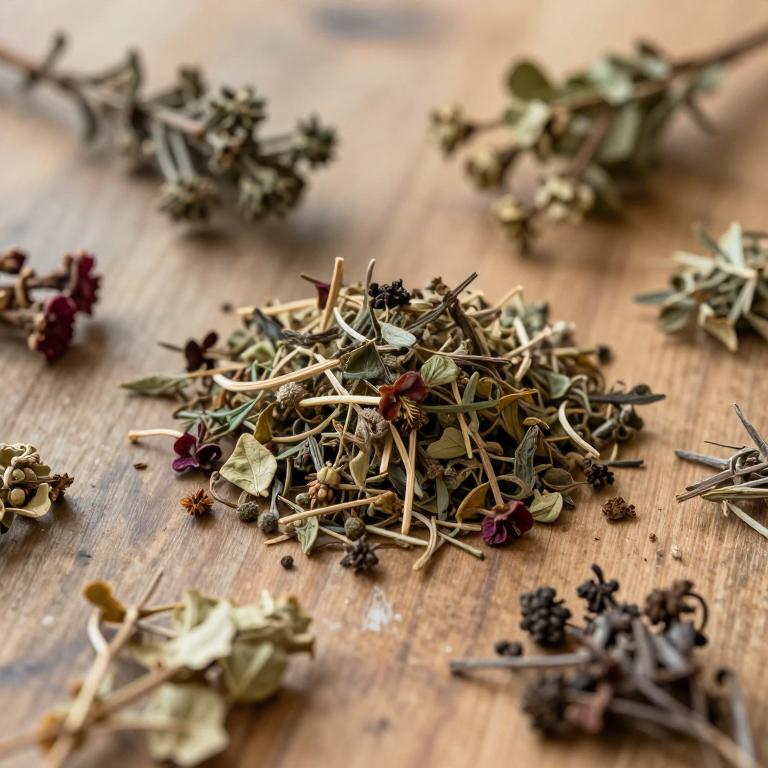
Crataegus hypolasia is prepared as a decoction for medicinal use in studies investigating hypoglycemic effects. This specific method of preparation involves boiling the plant material to create a potent liquid extract. Researchers utilized such decoctions to test the ability of various plants to decrease hyperglycemia in animal models. The administration of these plant-based decoctions serves as a primary way to evaluate their potential as antidiabetic treatments. Through this preparation, the biological activity of the plant can be effectively assessed against standard control substances.
Parts used
Crataegus hypolasia is a plant species where the flower serves as a significant anatomical part for study. Research into related species within the genus has highlighted how floral extracts can possess potent vasorelaxing properties. Specifically, the methanol extract from certain flowers has demonstrated a strong vasodilator effect in cardiovascular models. Chemical analysis of these floral components can reveal specific markers, such as triterpene acids, which contribute to medicinal efficacy. Understanding these botanical relationships helps clarify how different parts of the plant can be used for future medicinal standardization.