Crataegus chlorocarpa
Crataegus chlorocarpa · Accepted scientific name
Scientific literature: Very Sparse (2 studies) · ★☆☆☆☆
Crataegus chlorocarpous, scientifically known as Crataegus chlorocarpous, is a significant medicinal shrub valued for its therapeutic properties. Primarily used in traditional medicine, its bioactive compounds offer cardiovascular support, aiding in heart health and blood circulation. This resilient plant remains a vital subject for pharmacological research and natural healing.
- Family
- Not available
- Native range
- Europe
- Parts used
- Leaf
- Common names
- Not available
- Scientific synonyms
- Not available
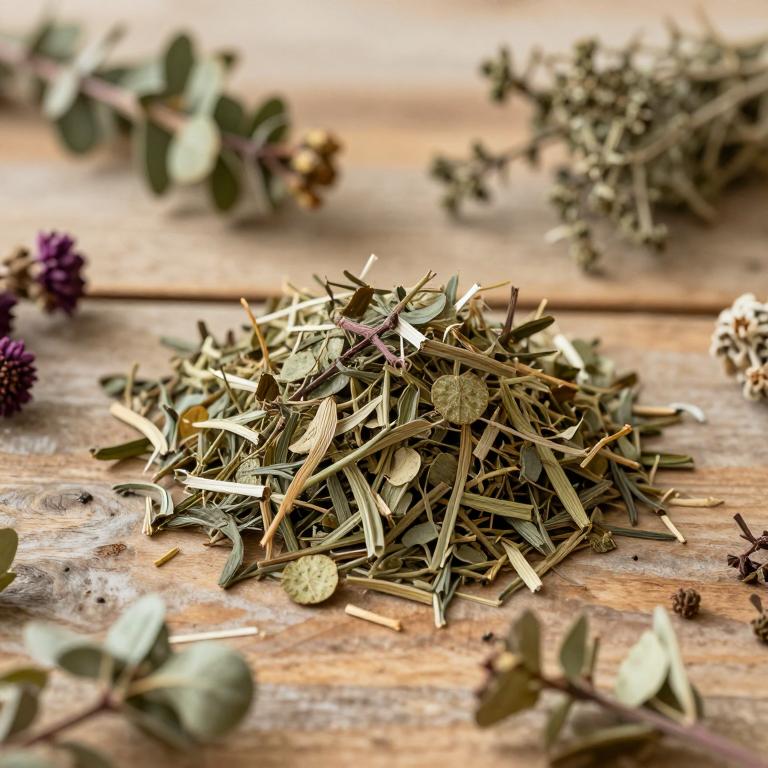
Names and Synonyms
Scientific Names
Accepted name
Crataegus chlorocarpaDistribution
This plant exhibits a broad geographical distribution spanning several distinct regions across the Eurasian continent. In Middle Europe, its presence is specifically noted within the borders of Poland. Moving eastward, it can be found throughout Central European Russia as well as in East European Russia. The species also extends into the Siberian region, particularly within the Altay mountains. Finally, its range reaches into Central Asia, where it is documented in Kazakhstan.
| Region | Area |
|---|---|
| Middle Europe | Poland |
| Eastern Europe | Central European Russia |
| Eastern Europe | East European Russia |
| Siberia | Altay |
| Central Asia | Kazakhstan |
| Central Asia | Kirgizstan |
| Central Asia | Tadzhikistan |
| Central Asia | Uzbekistan |
| China | Xinjiang |
Sources: The World Checklist of Vascular Plants (WCVP)
Plant Parts
Crataegus chlorocarpa has 1 reported plant parts identified across 1 scientific publications and several other databases that are studied for medicinal purposes. The most consistently reported plant part include leaf.
| Plant part | Supporting sources | Consensus |
|---|---|---|
| Leaf | 1 supporting sources | ★☆☆☆☆ |
Leaf
- Molecules (Basel, Switzerland)
Chemicals
Crataegus chlorocarpa has 1 reported phytochemicals identified across 1 scientific publications and several other databases. The most consistently reported chemicals include Flavonoids.
| Chemical | Supporting sources | Consensus |
|---|---|---|
| Flavonoids | 1 supporting sources | ★☆☆☆☆ |
Flavonoids
- Molecules (Basel, Switzerland)