Cota tinctoria subsp. tinctoria
Cota tinctoria subsp. tinctoria · Accepted scientific name
Scientific literature: Very Sparse (4 studies) · ★☆☆☆☆
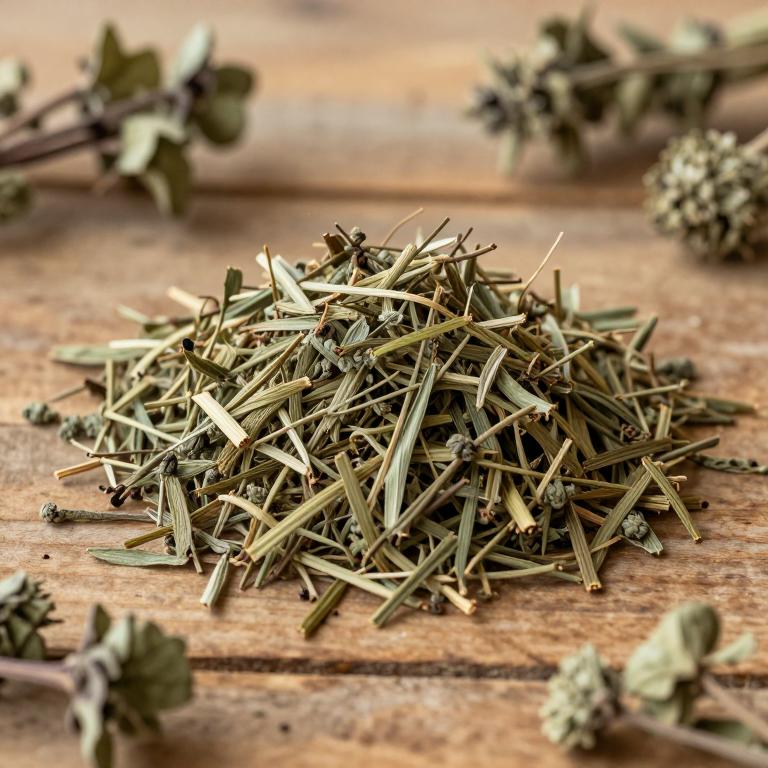
Cota tinctoria subsp. tinctoria is a botanical species recognized for its significant pharmacological potential in modern research. Scientific investigations into its methanolic extracts have revealed a diverse array of bioactive secondary metabolites. Specifically, the plant is rich in valuable chemical constituents such as flavonoids, coumarins, astragalin, and kaempferol-3-O-rutinoside. These compounds contribute to the plant's notable biological activities, including antioxidant and antimicrobial properties. Furthermore, recent studies have highlighted its therapeutic relevance through demonstrated antibacterial and cytotoxic effects.
- Synonyms
- Anthemis Kochiana · Anthemis Parnassii · 26 more
- Common names
- Not available
- Family
- Asteraceae
- Distribution
- Not available
- Plant Parts
- Not available
Classification
Common Names
Cota tinctoria subsp. tinctoria is a versatile plant known by a diverse array of names across different languages and regions. In English-speaking areas, it is most frequently referred to as Golden marguerite or Yellow Chamomile. Moving into German-speaking territories, the species is commonly identified as Färber-Hundskamille. The plant also carries the Czech designation rmen barvířský pravý, reflecting its localized botanical identity. These varied common names highlight the widespread recognition of this unique subspecies throughout Europe.
Sources: Catalogue of Life (COL)
Synonyms
Cota tinctoria subsp. tinctoria is a plant species known to be associated with several distinct botanical synonyms. Within scientific literature, it is frequently identified by the name Anthemis brachyglossa. Furthermore, this subspecies has been historically categorized under the synonym Anthemis coarctata. The taxonomic record also links it to Anthemis debilis and Anthemis discoidea. Finally, researchers may encounter this same plant referred to as Anthemis kochiana in various botanical contexts.
Sources: The World Checklist of Vascular Plants (WCVP)
Taxonomy
Cota tinctoria subsp. tinctoria is a unique botanical specimen that belongs to the kingdom Plantae. Within this vast kingdom, it is classified under the class Equisetopsida. Moving through its taxonomic hierarchy, the plant is categorized under the order Asterales. It further belongs to the diverse family Asteraceae, a group known for its many striking members. Finally, this specific subspecies is identified by its placement within the genus Cota.
| Rank | Classification |
|---|---|
| Kingdom | Plantae |
| Phylum | Streptophyta |
| Class | Equisetopsida |
| Subclass | Magnoliidae |
| Order | Asterales |
| Family | Asteraceae |
| Genus | Cota |
Sources: The World Checklist of Vascular Plants (WCVP)
Distribution
Geographic Regions
Cota tinctoria subsp. tinctoria exhibits a widespread geographic presence that spans several distinct regions across the globe. In the western reaches of its range, the plant is found throughout Africa, Macaronesia, and the Canary Islands. Its distribution extends significantly into Asia-Temperate zones, particularly across the Caucasus and the Transcaucasus regions. Furthermore, the subspecies is well-established in Central Asia, specifically within the territories of Kazakhstan and Kirgizstan. This broad ecological footprint highlights the plant's ability to adapt to diverse environments across multiple continents.
Sources: The World Checklist of Vascular Plants (WCVP)
Identification
Biological Activities
Cota tinctoria subsp. tinctoria has demonstrated significant biological potential through several key medicinal activities. Research indicates that this plant possesses robust antibacterial and antimicrobial properties, making it a candidate for combating resistant bacterial strains. Furthermore, the subspecies exhibits notable antioxidant activity, which contributes to its overall therapeutic value. Studies also highlight its cytotoxic effects, particularly in its ability to interact with specific cell lines. These diverse chemical capabilities underscore the importance of exploring this plant for future pharmacological applications.
Compounds
Cota tinctoria subsp. tinctoria possesses a complex chemical profile characterized by several important bioactive compounds. This plant species contains a diverse range of flavonoids and coumarins that contribute to its medicinal potential. Within this group of flavonoids, specific constituents such as astragalin and kaempferol-3-O-rutinoside have been identified. Furthermore, the presence of sterols adds to the intricate phytochemical makeup of the subspecies. Together, these various chemical relationships define the botanical composition of the plant.
Conditions
Preparations
Cota tinctoria subsp. tinctoria is prepared as methanolic extracts for various analytical and medicinal evaluations. This specific preparation method allows for the effective isolation of bioactive compounds from the plant material. The resulting extracts are utilized to study the chemical composition and therapeutic potential of the species. Such extraction processes are essential for identifying the specific constituents responsible for biological activities. Consequently, the use of methanolic extracts serves as a key step in assessing the plant's overall properties.