Costus
Costus · Accepted scientific name
Scientific literature: Very Sparse (0 studies) · ★☆☆☆☆
Costus is a fascinating genus of tropical plants known for their striking spiral stems and vibrant blooms. While many admire its ornamental beauty, the plant also holds significant value in traditional herbal practices. Specifically, the rhizomatous root serves as a primary source for medicinal applications. This root is often processed into a fine powder to ensure ease of use in various formulations. Understanding the diverse uses of this powder is essential for anyone interested in botanical properties.
- Synonyms
- Gissanthe · Jacuanga · 1 more
- Common names
- Not available
- Family
- Costaceae
- Distribution
- Not available
- Plant Parts
- Root
Classification
Common Names
Costus is a versatile plant known by a diverse array of regional names across different cultures. In certain areas, it is affectionately referred to as Canas-do-brejo or Cañas Agrias. As travelers move through different territories, they may encounter it called Kostukset or Kostwurze. It even carries the distinct name of Tkulít in specific local dialects. These various monikers highlight the widespread presence and cultural significance of this unique species.
Sources: Catalogue of Life (COL)
Synonyms
Costus is a diverse genus of plants that has historically been subject to various taxonomic reclassifications. Throughout botanical history, several names have been used to describe members of this group, leading to a complex web of synonyms. For instance, the names Cadalvena and Gissanthe have both been documented as synonyms within the genus. Additionally, the term Jacuanga has also been recognized as an alternative designation for certain species. Understanding these nomenclatural relationships is essential for anyone studying the precise botanical identity of these plants.
Sources: The World Checklist of Vascular Plants (WCVP)
Taxonomy
Costus belongs to the vast kingdom Plantae, representing a diverse group of multicellular organisms. Within this kingdom, the plant is classified under the class Equisetopsida. It further descends into the order Zingiberales, a group known for many striking tropical species. This lineage continues through the specific family Costaceae, which highlights its unique botanical characteristics. Ultimately, these relationships define its placement within the specialized genus Costus.
| Rank | Classification |
|---|---|
| Kingdom | Plantae |
| Phylum | Streptophyta |
| Class | Equisetopsida |
| Subclass | Magnoliidae |
| Order | Zingiberales |
| Family | Costaceae |
| Genus | Costus |
Sources: The World Checklist of Vascular Plants (WCVP)
Distribution
Geographic Regions
Costus exhibits a widespread distribution across several key regions within the African continent. In East Tropical Africa, this plant can be found thriving in the diverse landscapes of Kenya, Tanzania, and Uganda. Its presence also extends into Northeast Tropical Africa, where it occupies specific ecological niches. Within this northeastern stretch, populations are documented in both Chad and Ethiopia. This broad geographical range highlights the plant's ability to adapt to various African environments.
Sources: The World Checklist of Vascular Plants (WCVP)
Identification
Biological Activities
Compounds
Conditions
Preparations
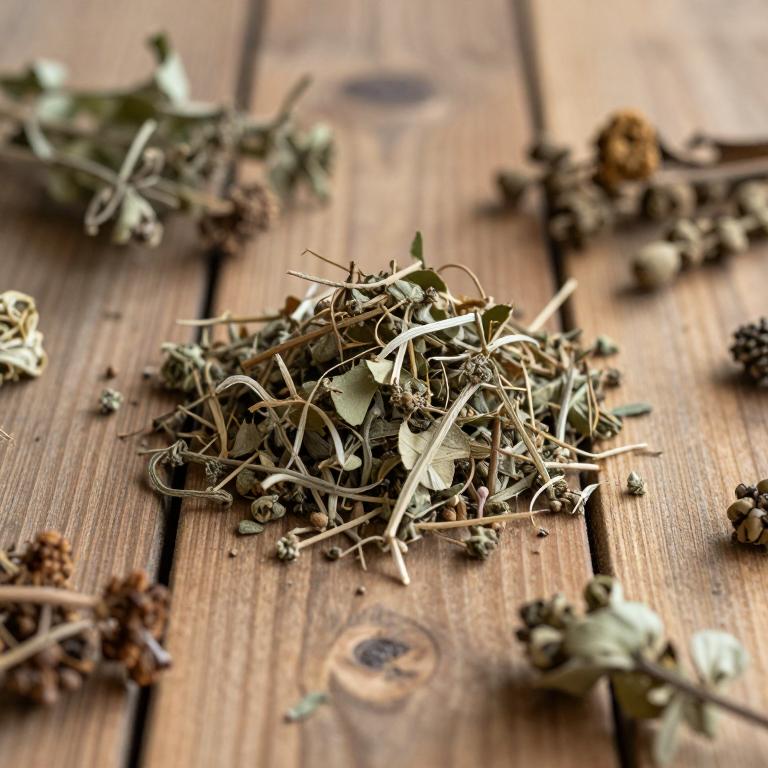
Costus is frequently prepared as a powder to facilitate its medicinal use in treating various health conditions. This powdered form is a common way to utilize the plant's root for therapeutic purposes. The preparation of the powder is essential for the extraction and quantification of its key bioactive sesquiterpene lactones. Maintaining quality in these powder preparations is vital to ensure they contain sufficient levels of costunolide and dehydrocostus lactone. Therefore, standardizing the processed powder is a crucial step for ensuring the efficacy and safety of herbal products.
Parts used
Costus, particularly the species Dolomiaea costus and Saussurea lappa, is a medicinal plant highly valued for its therapeutic properties. The root of this plant serves as a critical source of bioactive compounds, most notably sesquiterpene lactones like costunolide. These chemical constituents are essential for the plant's medicinal efficacy and require standardized extraction methods to ensure quality. Beyond its chemical profile, the aqueous extract derived from the costus root has demonstrated significant protective effects against kidney toxicity in animal models. Consequently, the diverse applications of the costus root highlight its importance in both traditional medicine and modern pharmacological research.