Costus curvibracteatus
Costus curvibracteatus · Accepted scientific name
Scientific literature: Very Sparse (1 studies) · ★☆☆☆☆
Costus curvibracteatus is a remarkable botanical species currently being studied for its significant therapeutic potential. Recent scientific investigations have focused on the specific medicinal properties found within its leaf extracts. Research indicates that this plant exhibits potent antiprotozoal activities against various harmful pathogens. Most notably, it has shown promise in combating the parasite responsible for Trypanosoma brucei gambiense. Understanding these biological mechanisms could pave the way for new treatments in global health management.
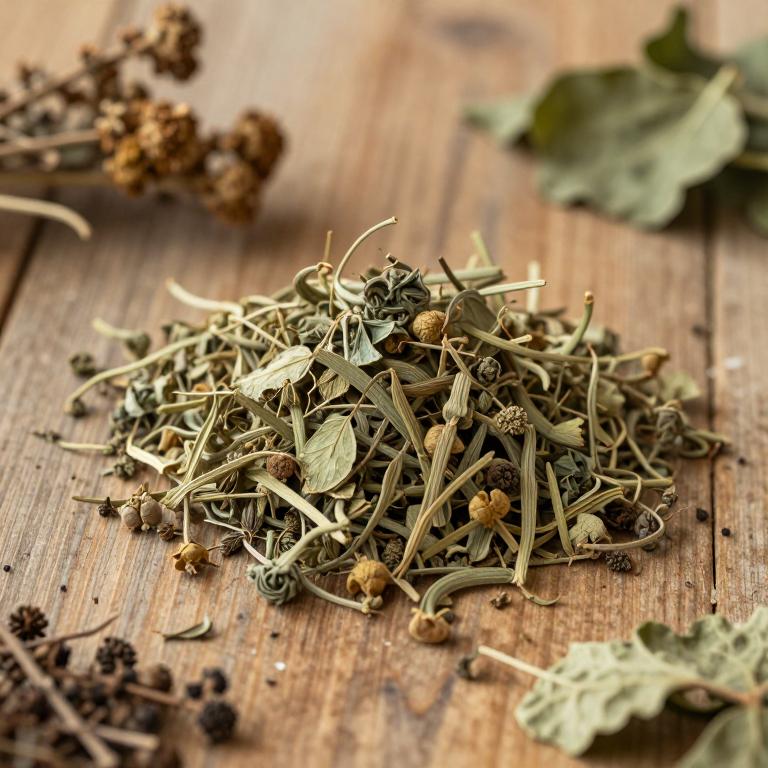
- Synonyms
- Not available
- Common names
- Not available
- Family
- Costaceae
- Distribution
- Not available
- Plant Parts
- Leaf
Classification
Common Names
Costus curvibracteatus is a striking tropical plant widely recognized by its traditional Chinese name, 紅花閉鞘薑. This species is celebrated for its vibrant, cone-like bracts that add a splash of brilliant color to lush, green landscapes. As a member of the spiral ginger family, it possesses a unique growth habit that sets it apart from other ornamental flora. Gardeners often seek out this plant to enhance the visual texture and exotic appeal of their botanical collections. Its combination of striking aesthetics and cultural significance makes it a fascinating subject for both enthusiasts and researchers alike.
Sources: Catalogue of Life (COL)
Taxonomy
Costus curvibracteatus belongs to the vast kingdom Plantae, encompassing all known forms of plant life. Within this diverse kingdom, it is specifically classified under the class Equisetopsida. The species further falls into the order Zingiberales, a group known for its distinctive floral structures. Moving down the taxonomic hierarchy, it is organized into the family Costaceae. Finally, this plant is a member of the genus Costus, which defines its unique botanical characteristics.
| Rank | Classification |
|---|---|
| Kingdom | Plantae |
| Phylum | Streptophyta |
| Class | Equisetopsida |
| Subclass | Magnoliidae |
| Order | Zingiberales |
| Family | Costaceae |
| Genus | Costus |
Sources: The World Checklist of Vascular Plants (WCVP)
Distribution
Geographic Regions
Costus curvibracteatus is a notable plant species found throughout the lush landscapes of Central and South America. Its distribution spans across diverse regions, including Costa Rica, Nicaragua, and Panamá. In the southern reaches of its range, the plant flourishes within the tropical environments of Western South America. Specifically, it can be found growing naturally in the country of Colombia. This widespread presence highlights the plant's adaptability to various habitats across the Neotropical realm.
Sources: The World Checklist of Vascular Plants (WCVP)
Identification
Morphology
Costus curvibracteatus is characterized by its distinct growth form as an herb. This botanical species is entirely self-supporting, allowing it to maintain its structure within its natural habitat.
Sources: Global Inventory of Floras and Traits (GIFT)
Biological Activities
Costus curvibracteatus has emerged as a significant botanical subject following ethnopharmacological studies in the Loreto region of the Peruvian Amazon. Researchers investigated the traditional medicinal practices of rural communities along the Iquitos-Nauta road to validate their use of local flora against parasitic infections. Through in vitro testing of various ethanolic extracts, the study identified several plants with promising therapeutic properties. Notably, the leaf extracts of Costus curvibracteatus demonstrated strong antiprotozoal activity against both Plasmodium falciparum and Leishmania donovani. This discovery highlights the plant's potential in combating major protozoan diseases and justifies further investigation into its active chemical compounds.
Compounds
Conditions
Costus curvibracteatus demonstrates significant antiprotozoal potential through its ethanolic leaf extracts. The plant shows strong in vitro activity against the Leishmania donovani LV9 strain. Additionally, it effectively treats Plasmodium falciparum, impacting both the 3D7 sensitive strain and the W2 chloroquine resistant strain. The extract also exhibits moderate activity against Trypanosoma brucei gambiense. These findings validate the plant's ability to combat multiple diverse protozoan parasites.
Preparations
Parts used
Costus curvibracteatus is a notable medicinal plant identified during ethnopharmacological surveys in the Loreto region of the Peruvian Amazon. Researchers specifically focused on the plant's leaf to prepare ethanolic extracts for testing against various protozoan parasites. These studies revealed that the leaf extracts possess strong in vitro activity against both sensitive and chloroquine-resistant strains of Plasmodium falciparum. Additionally, the extracts demonstrated significant efficacy against Leishmania donovani and moderate activity against Trypanosoma brucei gambiense. This finding helps validate traditional medicinal practices used by local communities to combat parasitic diseases.