Corymbia
Corymbia · Accepted scientific name
Scientific literature: Very Sparse (0 studies) · ★☆☆☆☆
Corymbia is a diverse genus of flowering trees and shrubs primarily native to the Australian landscape. These magnificent plants are widely recognized for their impressive canopy structures and woody fruit. A defining characteristic of many species within this group is the distinct shape and arrangement of the leaf. These leaves play a crucial role in the plant's ability to thrive in various environmental conditions. Understanding the unique features of the leaf can help enthusiasts identify these iconic timber producers.
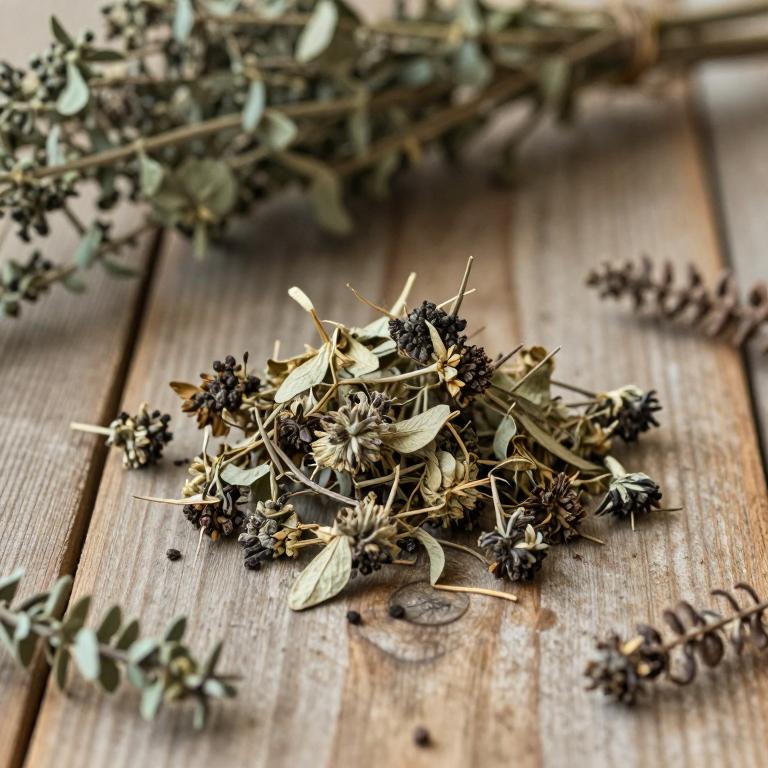
- Synonyms
- Not available
- Common names
- Not available
- Family
- Myrtaceae
- Distribution
- Southern America
- Plant Parts
- Leaf
Classification
Common Names
Corymbia is a diverse genus of trees that is known by several different common names depending on the region and language. In many English-speaking areas, these plants are frequently referred to as Bloodgums or Bloodwoods due to the distinct color of their sap. They are also simply called Corymbias in certain botanical contexts. International nomenclature includes variations such as Korymbie and the Dutch term huiskiloeukalyptukset. This variety of names highlights the widespread recognition and ecological importance of the genus across the globe.
Sources: Catalogue of Life (COL)
Taxonomy
Corymbia is a distinctive genus within the vast kingdom Plantae. These fascinating plants belong to the class Equisetopsida and are defined by their specific biological lineage. Within this hierarchy, they are categorized under the order Myrtales. They further belong to the Myrtaceae family, which connects them to many other well-known flowering trees. Ultimately, understanding these taxonomic relationships highlights the unique botanical identity of the Corymbia genus.
| Rank | Classification |
|---|---|
| Kingdom | Plantae |
| Phylum | Streptophyta |
| Class | Equisetopsida |
| Subclass | Magnoliidae |
| Order | Myrtales |
| Family | Myrtaceae |
| Genus | Corymbia |
Sources: The World Checklist of Vascular Plants (WCVP)
Distribution
Geographic Regions
Corymbia exhibits a diverse geographical distribution that spans several distinct regions across the African continent. In East Tropical Africa, the genus can be found thriving within the territories of Kenya, Tanzania, and Uganda. Beyond the mainland, its presence extends to the Atlantic islands of Macaronesia. Specifically, these plants are established in the Canary Islands as well as the archipelago of Madeira. This wide range highlights the remarkable adaptability of the genus across varied island and continental environments.
Sources: The World Checklist of Vascular Plants (WCVP)
Identification
Biological Activities
Compounds
Conditions
Preparations
Parts used
Corymbia species represent a diverse and under-studied genus within the Myrtaceae family that holds significant medicinal potential. While much research has historically focused on the closely related Eucalyptus genus, these plants offer unique phytochemical profiles worth exploring. Specifically, the leaves of several Corymbia species have been identified as vital components in various ethnomedical applications. Extracts and essential oils derived from these leaves demonstrate a wide array of biological activities, ranging from anti-inflammatory to anti-cancer properties. Consequently, studying these botanical parts may lead to the discovery of new compounds for treating diverse medical conditions.