Corylus americana
Corylus americana · Accepted scientific name
Scientific literature: Moderate (144 studies) · ★★★☆☆
Corylus americana, scientifically known as Corylus americana, is the American hazelnut, a resilient deciduous shrub native to North America. Valued for its protein-rich nuts, this plant plays a vital role in forest ecosystems. Historically utilized in traditional medicine, it offers significant nutritional benefits and serves as a versatile woodland species.
- Family
- Not available
- Native range
- Northern America
- Parts used
- Not available
- Common names
- Not available
- Scientific synonyms
- Not available
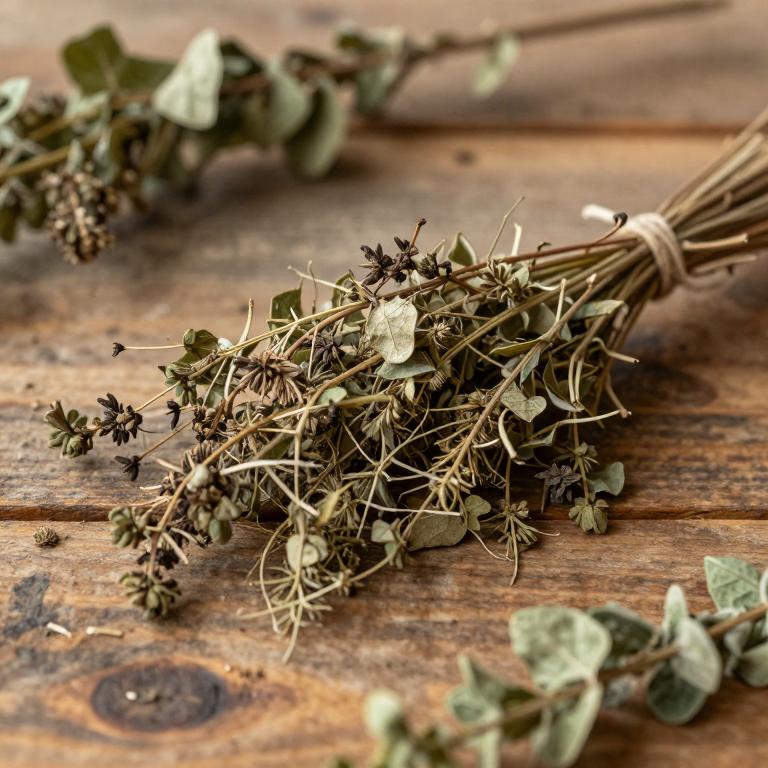
Names and Synonyms
Scientific Names
Accepted name
Corylus americanaDistribution
This plant exhibits a broad geographical distribution across various regions of North America. In Western Canada, its presence is noted within the provinces of Manitoba and Saskatchewan. Moving toward the east, the species can be found throughout Ontario and Québec. Additionally, the plant extends into the North-Central United States, specifically inhabiting Illinois. These diverse locations highlight the wide natural range of Corylus americana.
| Region | Area |
|---|---|
| Western Canada | Manitoba |
| Western Canada | Saskatchewan |
| Eastern Canada | Ontario |
| Eastern Canada | Québec |
| North-Central U.S.A. | Illinois |
| North-Central U.S.A. | Iowa |
| North-Central U.S.A. | Kansas |
| North-Central U.S.A. | Minnesota |
| North-Central U.S.A. | Missouri |
| North-Central U.S.A. | North Dakota |
Sources: The World Checklist of Vascular Plants (WCVP)
Botanical Identification
Life history
The life history of Corylus americana is characterized by its status as a perennial species, allowing it to persist across multiple growing seasons and establish long-term presence within its ecosystem. Regarding its structural growth patterns and life form, it is categorized as a phanerophyte, as its conductive organs are elevated above the ground level, typically forming woody shrubs or small trees. Additionally, within certain ecological classifications of height and growth habit, it can be described as a nanophanerophyte, reflecting its specific stature and the way it manages its biomass in relation to the ground surface throughout its extended lifespan.
- Life form :
- nanophanerophyte
- Life form :
- phanerophyte
- Lifecycle :
- perennial
Morphology
The morphology of Corylus americana is characterized by a woody growth form, primarily manifesting as a shrub. It is a self-supporting plant that does not function as a climber or a liana, and it maintains an independent lifestyle, neither acting as a parasite nor an epiphyte, as it is strictly terrestrial in its habitat. The plant typically reaches a mean height of approximately 3 m, supporting its structure through its robust, woody stems.
- Aquatic :
- terrestrial
- Climber :
- self-supporting
- Epiphyte :
- terrestrial
- Growth form :
- shrub
- Parasite :
- independent
- Plant height mean:
- 3 m
- Woodiness :
- woody
Physiology
The physiology of Corylus americana is characterized by a C3 photosynthetic pathway, a mechanism typical of most deciduous woody species in the temperate zone. This pathway involves the direct fixation of atmospheric carbon dioxide by the enzyme RuBisCO during the Calvin cycle, occurring primarily within the mesophyll cells. As a C3 plant, it relies on sufficient moisture availability to maintain stomatal conductance, as the lack of specialized carbon-concentrating mechanisms—such as those found in C4 or CAM plants—makes it more susceptible to photorespiration under conditions of high temperature and water stress. The metabolic processes of the plant are closely synchronized with seasonal temperature fluctuations, driving a cycle of vigorous biomass production during the spring and summer months, followed by a physiological transition into dormancy during the winter to conserve energy and survive freezing temperatures.
- Photosynthetic pathway :
- C3
Reproduction
The reproduction of Corylus americana is characterized by specific seed morphological traits and a diverse dispersal strategy. The plant produces seeds that exhibit significant variation in weight, with a minimum seed mass of 0.41355 g and a maximum seed mass of 0.9238 g, resulting in an average seed mass of approximately 0.84619375 g. In terms of propagation and movement, the species utilizes a multifaceted dispersal syndrome; while it is primarily identified as zoochorous, its reproductive success is supported by a complex array of mechanisms including anemochorous, autochorous, hydrochorous, and unspecialized dispersal methods.
- Dispersal syndrome :
- zoochorous
- Seed mass max:
- 0.9238 g
- Seed mass mean:
- 0.84619375 g
- Seed mass min:
- 0.41355 g
Sources: Global Inventory of Floras and Traits (GIFT)
Chemicals
Corylus americana has 5 reported phytochemicals identified across 0 scientific publications and several other databases. The most consistently reported chemicals include 4-hydroxy benzoic acid, Gallic acid, Vanillic acid, caffeic acid, protocatechuic acid.
| Chemical | Supporting sources | Consensus |
|---|---|---|
| 4-hydroxy benzoic acid | 1 supporting sources | ★☆☆☆☆ |
| Gallic acid | 1 supporting sources | ★☆☆☆☆ |
| Vanillic acid | 1 supporting sources | ★☆☆☆☆ |
| caffeic acid | 1 supporting sources | ★☆☆☆☆ |
| protocatechuic acid | 1 supporting sources | ★☆☆☆☆ |
4-hydroxy benzoic acid
- Dr. Duke
Gallic acid
- Dr. Duke
Vanillic acid
- Dr. Duke
caffeic acid
- Dr. Duke
protocatechuic acid
- Dr. Duke
Activities
Corylus americana has 139 reported activities identified across 0 scientific publications and several other databases. The most consistently reported activities include ACE-Inhibitor, Aldose-Reductase-Inhibitor, Allelopathic, Allergenic, Alpha-Glucosidase-Inhibitor.
| Activity | Supporting sources | Consensus |
|---|---|---|
| ACE-Inhibitor | 1 supporting sources | ★☆☆☆☆ |
| Aldose-Reductase-Inhibitor | 1 supporting sources | ★☆☆☆☆ |
| Allelopathic | 1 supporting sources | ★☆☆☆☆ |
| Allergenic | 1 supporting sources | ★☆☆☆☆ |
| Alpha-Glucosidase-Inhibitor | 1 supporting sources | ★☆☆☆☆ |
| Analgesic | 1 supporting sources | ★☆☆☆☆ |
| Anthelmintic | 1 supporting sources | ★☆☆☆☆ |
| AntiHIV | 1 supporting sources | ★☆☆☆☆ |
| AntiLegionella | 1 supporting sources | ★☆☆☆☆ |
| AntiMRSA | 1 supporting sources | ★☆☆☆☆ |
ACE-Inhibitor
- Dr. Duke
Aldose-Reductase-Inhibitor
- Dr. Duke
Allelopathic
- Dr. Duke
Allergenic
- Dr. Duke
Alpha-Glucosidase-Inhibitor
- Dr. Duke
Analgesic
- Dr. Duke
Anthelmintic
- Dr. Duke
AntiHIV
- Dr. Duke
AntiLegionella
- Dr. Duke
AntiMRSA
- Dr. Duke