fumewort
Corydalis · Accepted scientific name
Scientific literature: Very Sparse (27 studies) · ★☆☆☆☆
Fumewort, scientifically known as Corydalis, is a diverse genus of perennial herbs within the Papaveraceae family. Renowned for their delicate, often arching foliage and striking, spurred flowers, these plants offer significant medicinal potential. Historically used in traditional medicine, they contain bioactive alkaloids with profound sedative and analgesic properties.
- Family
- Papaveraceae
- Native range
- Europe
- Parts used
- Rhizome
- Common names
- Fumewort · Corydalises
- Scientific synonyms
- Calocapnos · Capnites · 7 more
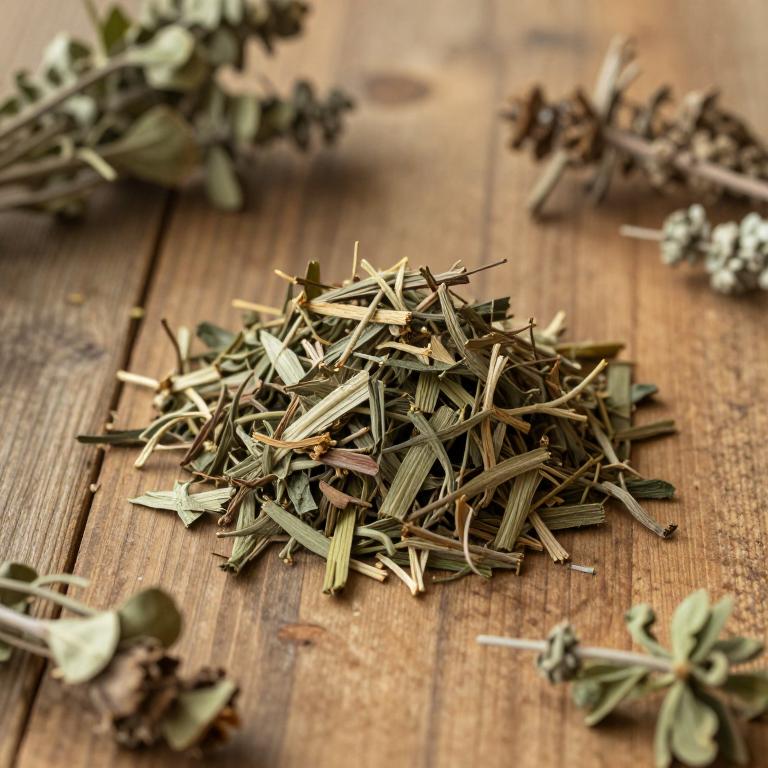
Names and Synonyms
Common Names
- fumewort
- Corydalises
Scientific Names
Accepted name
CorydalisSynonyms
- Calocapnos
- Capnites
- Cysticorydalis
- Bulbocapnos
- Borckhausenia
- Pistolochia
- Roborowskia
- Sophorocapnos
- Cryptoceras
Regional and Traditional Names
Spanish:
- Pistolochia
German:
- Lerchensporne
- Lerchensporn
- Lerchensporn
- Lerchensporne
French:
- Corydale
Sources: Wikidata, Catalogue of Life
Taxonomical Classification
This plant belongs to the kingdom Plantae and is classified within the phylum Streptophyta and the class Equisetopsida. As a member of the subclass Magnoliidae and the order Ranunculales, it is further categorized under the family Papaveraceae. Its specific taxonomic designation is found within the genus Corydalis.
| Rank | Classification |
|---|---|
| Kingdom | Plantae |
| Phylum | Streptophyta |
| Class | Equisetopsida |
| Subclass | Magnoliidae |
| Order | Ranunculales |
| Family | Papaveraceae |
| Genus | Corydalis |
Sources: The World Checklist of Vascular Plants (WCVP)
Distribution
This plant is found across several regions in Northern Europe. Specifically, its presence has been documented in Denmark and Finland. It also grows within the borders of Great Britain and Ireland. Additionally, the species can be located in Norway. Therefore, its geographical distribution spans a significant portion of the northern European landscape.
| Region | Area |
|---|---|
| Northern Europe | Denmark |
| Northern Europe | Finland |
| Northern Europe | Great Britain |
| Northern Europe | Ireland |
| Northern Europe | Norway |
| Northern Europe | Sweden |
| Middle Europe | Austria |
| Middle Europe | Belgium |
| Middle Europe | Czechia-Slovakia |
| Middle Europe | Germany |
Sources: The World Checklist of Vascular Plants (WCVP)
Plant Parts
Corydalis has 1 reported plant parts identified across 1 scientific publications and several other databases that are studied for medicinal purposes. The most consistently reported plant part include rhizome.
| Plant part | Supporting sources | Consensus |
|---|---|---|
| Rhizome | 1 supporting sources | ★☆☆☆☆ |
Rhizome
- Zhongguo Zhong yao za zhi = Zhongguo zhongyao zazhi = China journal of Chinese materia medica
Chemicals
Corydalis has 2 reported phytochemicals identified across 1 scientific publications and several other databases. The most consistently reported chemicals include protopine, tetrahydropalmatine.
| Chemical | Supporting sources | Consensus |
|---|---|---|
| protopine | 1 supporting sources | ★☆☆☆☆ |
| tetrahydropalmatine | 1 supporting sources | ★☆☆☆☆ |
protopine
- Thrombosis research
tetrahydropalmatine
- Zhong yao cai = Zhongyaocai = Journal of Chinese medicinal materials
Conditions
Corydalis has 12 reported investigations on conditions identified across 1 scientific publications and several other databases. The most consistently reported conditions include edema, gastritis, hepatitis, hypertension, cardiovascular diseases.
| Condition | Supporting sources | Consensus |
|---|---|---|
| Edema | 2 supporting sources | ★☆☆☆☆ |
| Gastritis | 2 supporting sources | ★☆☆☆☆ |
| Hepatitis | 2 supporting sources | ★☆☆☆☆ |
| Hypertension | 2 supporting sources | ★☆☆☆☆ |
| Cardiovascular diseases | 1 supporting sources | ★☆☆☆☆ |
| Central nervous system | 1 supporting sources | ★☆☆☆☆ |
| Cholecystitis | 1 supporting sources | ★☆☆☆☆ |
| Common cold | 1 supporting sources | ★☆☆☆☆ |
| Fever | 1 supporting sources | ★☆☆☆☆ |
| Hemorrhage | 1 supporting sources | ★☆☆☆☆ |
Edema
- Zhongguo Zhong yao za zhi = Zhongguo zhongyao zazhi = China journal of Chinese materia medica
- Phytochemistry
Gastritis
- Zhongguo Zhong yao za zhi = Zhongguo zhongyao zazhi = China journal of Chinese materia medica
- Phytochemistry
Hepatitis
- Zhongguo Zhong yao za zhi = Zhongguo zhongyao zazhi = China journal of Chinese materia medica
- Phytochemistry
Hypertension
- Zhongguo Zhong yao za zhi = Zhongguo zhongyao zazhi = China journal of Chinese materia medica
- Phytochemistry
Cardiovascular diseases
- Zhongguo Zhong yao za zhi = Zhongguo zhongyao zazhi = China journal of Chinese materia medica
Central nervous system
- Zhongguo Zhong yao za zhi = Zhongguo zhongyao zazhi = China journal of Chinese materia medica
Cholecystitis
- Zhongguo Zhong yao za zhi = Zhongguo zhongyao zazhi = China journal of Chinese materia medica
Common cold
- Phytochemistry
Fever
- Zhongguo Zhong yao za zhi = Zhongguo zhongyao zazhi = China journal of Chinese materia medica
Hemorrhage
- Phytochemistry
Preparations
Corydalis has 4 reported preparations identified across 1 scientific publications and several other databases. The most consistently reported preparations include corydalis processesd with vinegar, extractive of corydalis, minute powder of processed rhizome of Corydalis with vinegar, processed rhizome of Corydalis with vinegar.
| Preparation | Supporting sources | Consensus |
|---|---|---|
| Corydalis processesd with vinegar | 1 supporting sources | ★☆☆☆☆ |
| Extractive of corydalis | 1 supporting sources | ★☆☆☆☆ |
| Minute powder of processed rhizome of corydalis with vinegar | 1 supporting sources | ★☆☆☆☆ |
| Processed rhizome of corydalis with vinegar | 1 supporting sources | ★☆☆☆☆ |
Corydalis processesd with vinegar
- Zhong yao cai = Zhongyaocai = Journal of Chinese medicinal materials
Extractive of corydalis
- Zhong yao cai = Zhongyaocai = Journal of Chinese medicinal materials
Minute powder of processed rhizome of corydalis with vinegar
- Zhongguo Zhong yao za zhi = Zhongguo zhongyao zazhi = China journal of Chinese materia medica
Processed rhizome of corydalis with vinegar
- Zhongguo Zhong yao za zhi = Zhongguo zhongyao zazhi = China journal of Chinese materia medica