Corydalis intermedia
Corydalis intermedia · Accepted scientific name
Scientific literature: Very Sparse (0 studies) · ★☆☆☆☆
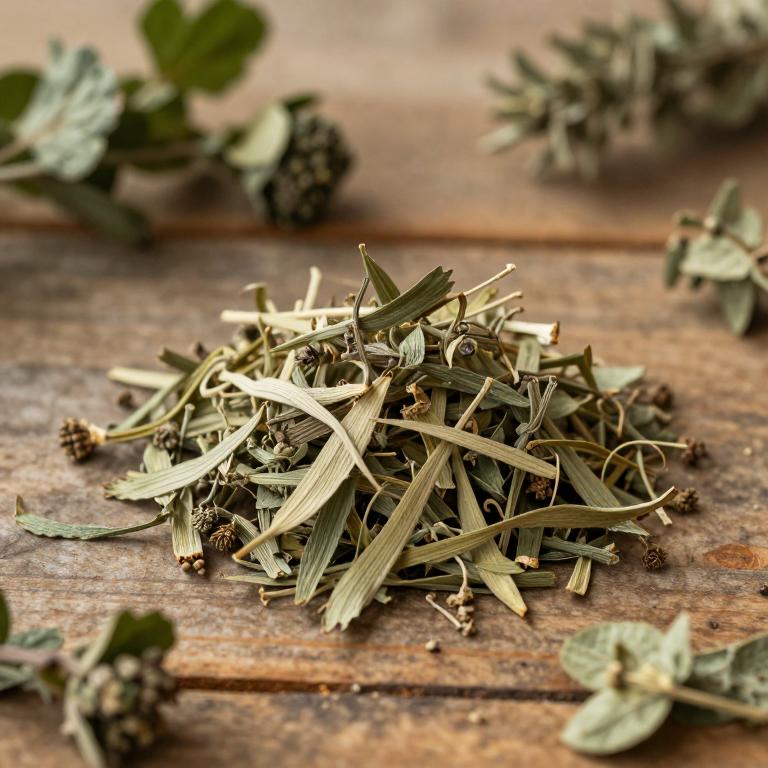
Corydalis intermedia is a perennial herbaceous plant belonging to the Papaveraceae family, native to the mountainous regions of East Asia. This species is highly regarded in traditional medicine for its diverse pharmacological properties and bioactive compounds. To harness its therapeutic potential, researchers and practitioners frequently utilize concentrated extracts derived from the plant's rhizomes. These preparations are carefully processed to ensure the effective delivery of alkaloids used in various medicinal applications. Understanding the specific preparation methods of this plant is essential for exploring its role in modern botanical studies.
- Synonyms
- Pistolochia Intermedia · Pseudo-Fumaria Intermedia · 14 more
- Common names
- Not available
- Family
- Papaveraceae
- Distribution
- Not available
- Plant Parts
- Not available
Classification
Common Names
Corydalis intermedia is a botanical subject known by a diverse array of common names across different regions and languages. It is frequently referred to as Aristoloquia fabácea or by the unique moniker Boonhelmbloem. In certain contexts, the plant is also identified as Colombina media. Linguistic variations further extend its identity to include names like Corydale intermediaire and Corydale intermédiaire. This variety of nomenclature highlights the multifaceted ways this species is recognized globally.
Sources: Catalogue of Life (COL)
Synonyms
Corydalis intermedia is a botanical subject that has been classified under several different scientific names throughout history. Due to varying taxonomic interpretations, it is frequently identified by synonyms such as Bulbocapnos fabacea and Capnites fabaceus. Researchers may also encounter this species listed as Capnoides fabacea or Capnoides intermedia in older botanical records. Additionally, the name Capnoides minor has been applied to the plant in different contexts. Navigating these diverse nomenclatural relationships is essential for ensuring accurate identification in scientific studies.
Sources: The World Checklist of Vascular Plants (WCVP)
Taxonomy
Corydalis intermedia is a unique organism that belongs to the vast kingdom Plantae. Within this expansive biological realm, the plant is classified under the class Equisetopsida. It further descends through the taxonomic order Ranunculales to reach its specific botanical lineage. As a member of the genus Corydalis, it shares structural characteristics with many of its close relatives. Ultimately, this species is most distinctly recognized as a part of the Papaveraceae family.
| Rank | Classification |
|---|---|
| Kingdom | Plantae |
| Phylum | Streptophyta |
| Class | Equisetopsida |
| Subclass | Magnoliidae |
| Order | Ranunculales |
| Family | Papaveraceae |
| Genus | Corydalis |
Sources: The World Checklist of Vascular Plants (WCVP)
Distribution
Geographic Regions
Corydalis intermedia is a plant species with a broad distribution spanning across various regions of Europe. It is found extensively throughout Eastern Europe, establishing a presence in many diverse landscapes. Specifically, its range includes the Baltic States as well as the territory of Belarus. The species also stretches into significant portions of Russia, including North, Central, and East European Russia. This wide geographic reach highlights the plant's ability to thrive in multiple environmental settings across the continent.
Sources: The World Checklist of Vascular Plants (WCVP)
Identification
Morphology
Corydalis intermedia is a delicate herb characterized by its self-supporting growth form. This small plant typically maintains a modest stature within its natural habitat. Depending on environmental conditions, its height generally ranges from a minimum of 0.07 m to a maximum of 0.15 m. While some specimens may reach the upper limit of 0.15 m, most remain quite compact. These dimensions highlight the subtle and low-growing nature of this specific species.
Sources: Global Inventory of Floras and Traits (GIFT)
Biological Activities
Compounds
Conditions
Corydalis intermedia demonstrates significant potential in treating memory dysfunction due to its acetylcholinesterase inhibitory activity. Research involving aqueous and methanolic extracts shows that this specific plant species can inhibit the enzyme in a dose-dependent manner. This inhibitory action is a key mechanism for improving memory and cognition, similar to other plants used in folk medicine. By targeting acetylcholinesterase, Corydalis intermedia helps regulate the chemical processes essential for cognitive function. Consequently, its biological properties support its traditional use as a remedy for memory-related impairments.
Preparations
Corydalis intermedia is prepared as aqueous and methanolic extracts to study its potential medicinal properties. These specific preparations were tested for their ability to inhibit acetylcholinesterase activity using the Ellman colorimetric method. Research indicates that the extracts of this species demonstrate significant inhibitory activity in a dose-dependent manner. This characteristic makes the processed plant a subject of interest in the search for treatments for memory dysfunction. Consequently, the preparation of these extracts is a critical step in evaluating their pharmacological effects on cognition.