Cordia gilletii
Cordia gilletii · Accepted scientific name
Scientific literature: Very Sparse (10 studies) · ★☆☆☆☆
, scientifically known as Cordia gilletii, is a significant medicinal plant valued for its diverse therapeutic properties. Frequently utilized in traditional healing practices, this species offers potential benefits in treating various ailments. Understanding its botanical characteristics and pharmacological applications is essential for exploring its role in natural medicine and ethnobotany.
- Family
- Boraginaceae
- Native range
- Africa
- Parts used
- Root · Leaf
- Common names
- Not available
- Scientific synonyms
- Not available
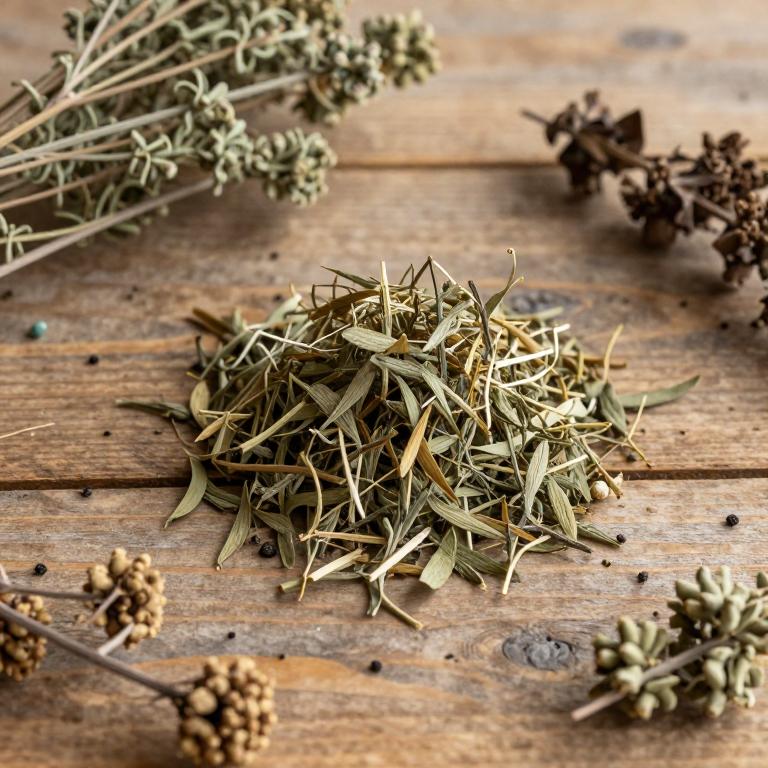
Names and Synonyms
Scientific Names
Accepted name
Cordia gilletiiSources: Wikidata
Taxonomical Classification
This plant, Cordia gilletii, belongs to the kingdom Plantae and the phylum Streptophyta. Within the class Equisetopsida and subclass Magnoliidae, it is categorized under the order Boraginales and the family Boraginaceae. Finally, it is classified under the genus Cordia.
| Rank | Classification |
|---|---|
| Kingdom | Plantae |
| Phylum | Streptophyta |
| Class | Equisetopsida |
| Subclass | Magnoliidae |
| Order | Boraginales |
| Family | Boraginaceae |
| Genus | Cordia |
Sources: The World Checklist of Vascular Plants (WCVP)
Distribution
This plant, known scientifically as Cordia gilletii, exhibits a very specific and localized geographical range. Its occurrence is primarily concentrated within the West-Central Tropical Africa region. More specifically, the species is found within the borders of the Democratic Republic of the Congo. Due to this limited distribution, it is considered an endemic element of the Congolese flora. Understanding this precise location is essential for studying its natural habitat and ecological role.
| Region | Area |
|---|---|
| West-Central Tropical Africa | DR Congo |
Sources: The World Checklist of Vascular Plants (WCVP)
Botanical Identification
Morphology
The morphology of Cordia gilletii is characterized by its growth form as a tree, exhibiting a robust and established structural development. It possesses a woody nature, featuring a permanent, lignified stem system that provides the necessary mechanical support for its stature.
- Growth form :
- tree
- Woodiness :
- woody
Sources: Global Inventory of Floras and Traits (GIFT)
Plant Parts
Cordia gilletii has 2 reported plant parts identified across 3 scientific publications and several other databases that are studied for medicinal purposes. The most consistently reported plant part include root, leaf.
| Plant part | Supporting sources | Consensus |
|---|---|---|
| Root | 2 supporting sources | ★☆☆☆☆ |
| Leaf | 1 supporting sources | ★☆☆☆☆ |
Root
- Journal of intercultural ethnopharmacology
- Natural product communications
Leaf
- Journal of intercultural ethnopharmacology
Chemicals
Cordia gilletii has 2 reported phytochemicals identified across 3 scientific publications and several other databases. The most consistently reported chemicals include Ferulaldehyde, Lupeol.
| Chemical | Supporting sources | Consensus |
|---|---|---|
| Ferulaldehyde | 1 supporting sources | ★☆☆☆☆ |
| Lupeol | 1 supporting sources | ★☆☆☆☆ |
Ferulaldehyde
- Natural product communications
Lupeol
- Natural product communications
Activities
Cordia gilletii has 2 reported activities identified across 3 scientific publications and several other databases. The most consistently reported activities include Antimicrobial, Antioxidant.
| Activity | Supporting sources | Consensus |
|---|---|---|
| Antimicrobial | 1 supporting sources | ★☆☆☆☆ |
| Antioxidant | 1 supporting sources | ★☆☆☆☆ |
Antimicrobial
- Natural product communications
Antioxidant
- Natural product communications
Conditions
Cordia gilletii has 3 reported investigations on conditions identified across 3 scientific publications and several other databases. The most consistently reported conditions include MRSA, infectious diseases, methicillin-resistant Staphylococcus aureus.
| Condition | Supporting sources | Consensus |
|---|---|---|
| Mrsa | 1 supporting sources | ★☆☆☆☆ |
| Infectious diseases | 1 supporting sources | ★☆☆☆☆ |
| Methicillin-resistant staphylococcus aureus | 1 supporting sources | ★☆☆☆☆ |
Mrsa
- Natural product communications
Infectious diseases
- Natural product communications
Methicillin-resistant staphylococcus aureus
- Natural product communications