Coptis japonica var. major
Coptis japonica var. major · Accepted scientific name
Scientific literature: Very Sparse (0 studies) · ★☆☆☆☆
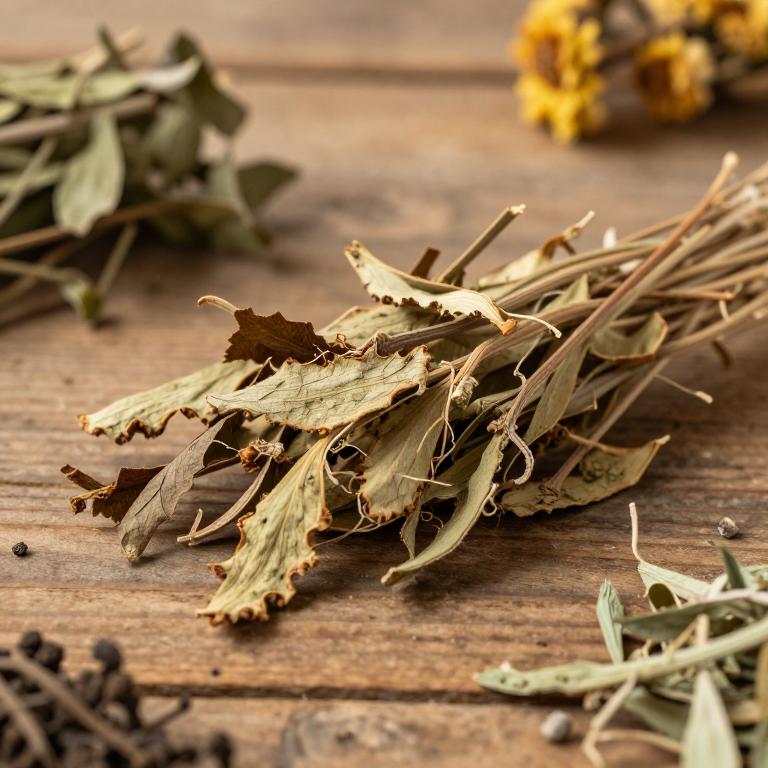
Coptis japonica var. major is a perennial herb known for its distinct medicinal properties and unique botanical structure. This specific variety is highly valued in traditional practices primarily for its potent underground rhizome. The rhizome serves as the plant's storage organ, containing concentrated bioactive compounds that are harvested for therapeutic use. Found in shaded woodland habitats, the plant thrives in moist, temperate environments. Understanding its biological characteristics is essential for both botanical study and the sustainable cultivation of its valuable roots.
- Synonyms
- Coptis Brachypetala Var. Major
- Common names
- Not available
- Family
- Ranunculaceae
- Distribution
- Not available
- Plant Parts
- Rhizome
Classification
Synonyms
Coptis japonica var. major is a specific botanical variety that is often identified through various taxonomic classifications. In many scientific records, this plant is also recognized by its synonym, Coptis brachypetala var. major. Understanding these overlapping names is essential for researchers tracking the plant's distribution and genetic lineage. While the nomenclature may shift due to evolving botanical studies, both terms refer to the same distinct organism. Consequently, maintaining awareness of these synonym relationships ensures accuracy in both academic and horticultural contexts.
Sources: The World Checklist of Vascular Plants (WCVP)
Taxonomy
Coptis japonica var. major is a distinctive botanical specimen belonging to the kingdom Plantae. Within this vast kingdom, it is classified under the class Equisetopsida. Its evolutionary lineage continues through the order Ranunculales, which defines its broader biological group. More specifically, this plant is a member of the family Ranunculaceae. Finally, it is categorized under the specific genus Coptis, highlighting its unique place in the natural world.
| Rank | Classification |
|---|---|
| Kingdom | Plantae |
| Phylum | Streptophyta |
| Class | Equisetopsida |
| Subclass | Magnoliidae |
| Order | Ranunculales |
| Family | Ranunculaceae |
| Genus | Coptis |
Sources: The World Checklist of Vascular Plants (WCVP)
Distribution
Geographic Regions
Coptis japonica var. major is a distinct botanical variety primarily found within the temperate regions of Asia. Its geographic range is specifically concentrated throughout Eastern Asia, where it plays a role in the local ecosystem. Within these diverse habitats, the plant thrives under the unique environmental conditions characteristic of the Japanese landscape. This particular distribution highlights the specialized ecological niche that the variety occupies across its natural territory. Understanding these regional connections is essential for researchers studying the plant's biological footprint.
Sources: The World Checklist of Vascular Plants (WCVP)
Identification
Biological Activities
Compounds
Conditions
Preparations
Parts used
Coptis japonica var. major is one of the primary perennial herb species utilized for the production of Rhizoma Coptidis. This specific plant contributes its medicinal rhizome to the extraction of valuable water-soluble macromolecules known as polysaccharides. These bioactive compounds are highly regarded for their diverse therapeutic effects, including antioxidant and immune-modulating properties. Because the efficacy of these polysaccharides is closely tied to their source, understanding the botanical characteristics of the rhizome is essential. Consequently, the structural purity of the components derived from this plant remains a critical focus for ongoing pharmaceutical research.