Bindweed
Convolvulus · Accepted scientific name
Scientific literature: Very Sparse (7 studies) · ★☆☆☆☆
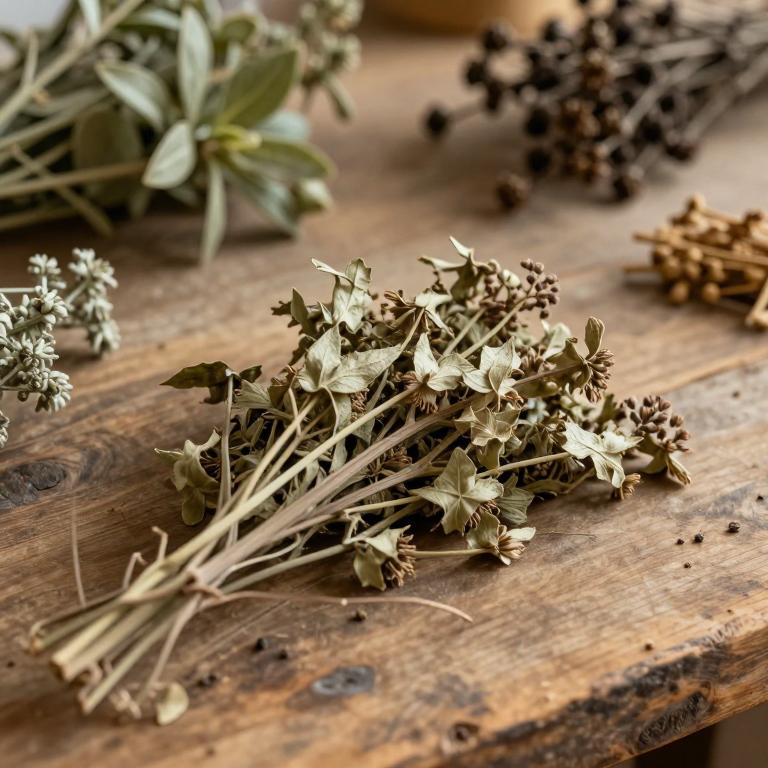
Bindweed, scientifically known as Convolvulus, is a versatile genus of climbing plants celebrated for their trumpet-shaped blooms. Beyond its reputation as a garden interloper, Convolvulus holds significant ethnobotanical value. Historically utilized in traditional medicine, its various species offer fascinating insights into the complex relationship between botany and healing.
Names and Synonyms
Common Names
- bindweed
- field bindweed
- Convolvuluses
- bindweeds
- morning glories
Scientific Names
Accepted name
ConvolvulusSynonyms
- Idalia
- Pantocsekia
- Podaletra
- Periphas
- Scammonea
- Rhodoxylon
- Codosiphus
- Rhodorhiza
- Codochisma
- Sciadiara
- Bucharea
- Strophocaulos
- Symethus
- Nemostima
Regional and Traditional Names
Spanish:
- Strophocaulos
- Campanillas o correhuelas
German:
- Winden
- Winde
- Winden
French:
- Liserons
- liserons
Sources: Wikidata, Catalogue of Life
Taxonomical Classification
This plant belongs to the kingdom Plantae and the phylum Streptophyta, falling under the class Equisetopsida and subclass Magnoliidae. Within the order Solanales, it is classified under the family Convolvulaceae. Ultimately, this medicinal specimen is identified by its genus, Convolvulus.
| Rank | Classification |
|---|---|
| Kingdom | Plantae |
| Phylum | Streptophyta |
| Class | Equisetopsida |
| Subclass | Magnoliidae |
| Order | Solanales |
| Family | Convolvulaceae |
| Genus | Convolvulus |
Sources: The World Checklist of Vascular Plants (WCVP)
Distribution
This plant exhibits a widespread presence across several regions within Northern Europe. Specifically, it can be found growing throughout the landscape of Denmark. Its distribution also extends into the northern territories of Finland and Norway. Furthermore, the species is commonly documented across the islands of Great Britain and Ireland. Together, these locations highlight the plant's significant geographical range in the northernmost parts of the continent.
| Region | Area |
|---|---|
| Northern Europe | Denmark |
| Northern Europe | Finland |
| Northern Europe | Great Britain |
| Northern Europe | Ireland |
| Northern Europe | Norway |
| Northern Europe | Sweden |
| Middle Europe | Austria |
| Middle Europe | Belgium |
| Middle Europe | Czechia-Slovakia |
| Middle Europe | Germany |
Sources: The World Checklist of Vascular Plants (WCVP)
Chemicals
Convolvulus has 4 reported phytochemicals identified across 0 scientific publications and several other databases. The most consistently reported chemicals include Flavonoids, Tannins, Terpenes, resin.
| Chemical | Supporting sources | Consensus |
|---|---|---|
| Flavonoids | 1 supporting sources | ★☆☆☆☆ |
| Tannins | 1 supporting sources | ★☆☆☆☆ |
| Terpenes | 1 supporting sources | ★☆☆☆☆ |
| resin | 1 supporting sources | ★☆☆☆☆ |
Flavonoids
- Phytotherapy research : PTR
Tannins
- Phytotherapy research : PTR
Terpenes
- Phytotherapy research : PTR
resin
- Phytotherapy research : PTR
Activities
Convolvulus has 3 reported activities identified across 0 scientific publications and several other databases. The most consistently reported activities include Anticancer, Antimicrobial, Antioxidant.
| Activity | Supporting sources | Consensus |
|---|---|---|
| Anticancer | 1 supporting sources | ★☆☆☆☆ |
| Antimicrobial | 1 supporting sources | ★☆☆☆☆ |
| Antioxidant | 1 supporting sources | ★☆☆☆☆ |
Anticancer
- Phytotherapy research : PTR
Antimicrobial
- Phytotherapy research : PTR
Antioxidant
- Phytotherapy research : PTR