Convolvulus soldanella
Convolvulus soldanella · Accepted scientific name
Scientific literature: Very Sparse (0 studies) · ★☆☆☆☆
Convolvulus soldanella is a plant species of significant interest due to its unique chemical profile and medicinal potential. Research has identified key compounds within the plant, including cis-4-Hydroxycinnamic acid, trans-3,4-Dihydroxycinnamic Acid, and trans-4-Hydroxycinnamic acid. Scientific investigations frequently focus on the stem to evaluate its biological impact on conditions such as Dropsy, IL-6, PGE2, and Rheumatic Arthritis. Various preparations are utilized in these studies, ranging from crude and chloroform extracts to ethanol extracts and ethyl acetate fractions. Through these diverse methodologies, the therapeutic properties of this species continue to be explored.
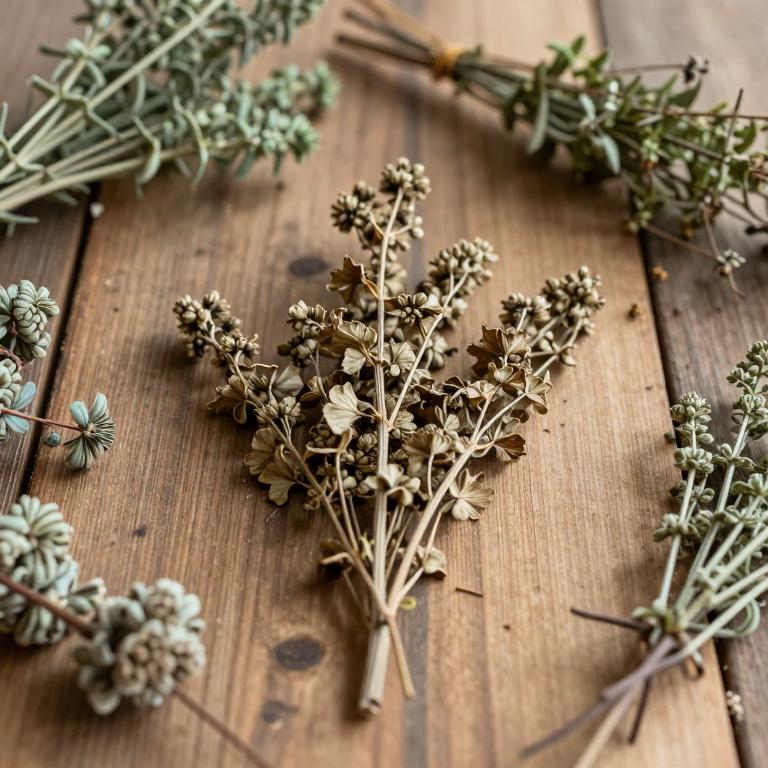
- Synonyms
- Calystegia Reniformis · Volvulus Soldanella · 8 more
- Common names
- Not available
- Family
- Convolvulaceae
- Distribution
- Southern America
- Plant Parts
- Stem
Classification
Common Names
Convolvulus soldanella is a fascinating coastal plant recognized by several distinct regional names across the globe. In English-speaking coastal areas, it is most frequently referred to as Sea Bindweed. Its linguistic reach extends into French, where it is known as Liseron des dunes, and into Spanish as Campaneta de mar. Other cultures have their own unique identifiers, such as the Finnish Dyynikarhunköynnös and the Croatian Přimórska wijawka. Regardless of which common name is used, this resilient species remains a vital part of its maritime ecosystem.
Sources: Catalogue of Life (COL)
Synonyms
Convolvulus soldanella is a botanical subject characterized by a complex web of taxonomic synonyms. Throughout scientific literature, this plant is frequently identified under the genus Calystegia, specifically as Calystegia asarifolia or Calystegia reniformis. It is also widely recognized by the synonym Calystegia soldanella in various academic contexts. Furthermore, certain variations of the species are documented through the names Calystegia soldanella f. albiflora and Calystegia soldanella var. albiflora. Understanding these overlapping nomenclatures is essential for accurate botanical classification and study.
Sources: The World Checklist of Vascular Plants (WCVP)
Taxonomy
Convolvulus soldanella is a distinctive botanical specimen belonging to the vast kingdom Plantae. Within this expansive kingdom, it is specifically categorized under the class Equisetopsida. The plant is further defined by its placement in the order Solanales, reflecting its evolutionary lineage. It further belongs to the well-known family Convolvulaceae, which characterizes many creeping vines. Ultimately, its formal classification is rooted in the genus Convolvulus, marking its unique identity in the natural world.
| Rank | Classification |
|---|---|
| Kingdom | Plantae |
| Phylum | Streptophyta |
| Class | Equisetopsida |
| Subclass | Magnoliidae |
| Order | Solanales |
| Family | Convolvulaceae |
| Genus | Convolvulus |
Sources: The World Checklist of Vascular Plants (WCVP)
Distribution
Geographic Regions
Convolvulus soldanella is a resilient species with a broad geographical reach spanning across Africa and the Macaronesian islands. Its presence is notably felt throughout the Atlantic archipelagos, including the Azores, Madeira, and the Canary Islands. Within the African continent, the plant is specifically well-established across Northern Africa. Detailed observations confirm its widespread growth in regions such as Algeria and Libya. This diverse distribution highlights the plant's ability to thrive in varied coastal and subtropical environments.
Sources: The World Checklist of Vascular Plants (WCVP)
Identification
Biological Activities
Compounds
Convolvulus soldanella, also known as Calystegia soldanella, serves as a rich natural source of various bioactive polyphenol compounds. Detailed chemical analysis reveals that this plant contains significant amounts of the phenolic acids chlorogenic acid and dicaffeoylquinic acid. In addition to these acids, the plant is characterized by the presence of the flavonoid compound quercitrin. These specific constituents contribute to the plant's potent antioxidative and anti-inflammatory properties. Consequently, the unique chemical profile of Convolvulus soldanella highlights its potential as a valuable medicinal resource for treating inflammatory diseases.
Conditions
Convolvulus soldanella, also known as Calystegia soldanella, demonstrates significant anti-inflammatory potential by inhibiting various key mediators. The plant's ethyl acetate fraction effectively treats inflammation by suppressing the production of IL-1β and IL-6. Additionally, it acts to reduce the levels of NO and PGE2 in LPS-stimulated mouse macrophages. Through the inhibition of NF-κB expression, the extract also successfully treats and suppresses COX-2. These combined actions highlight the plant's ability to manage multiple inflammatory pathways simultaneously.
Preparations
Convolvulus soldanella is prepared as a crude extract and various solvent fractions for biological testing. The plant is also processed into a chloroform extract, which displays specific absorption peaks in UV scanning spectra. Researchers utilize an ethanol extract to conduct pharmacognostic identification of the species. Additionally, the plant is prepared as an ethyl acetate fraction to investigate its antioxidant and anti-inflammatory properties.
Parts used
Convolvulus soldanella, also known as Calystegia soldanella, possesses a stem that serves as a significant source of unique chemical compounds. Researchers have successfully isolated various esters of trans-4-hydroxycinnamic acid, cis-4-hydroxycinnamic acid, and trans-3,4-dihydroxycinnamic acid from this specific plant part. These particular substances are linked with long-chain alcohols ranging from fifteen to twenty carbons in length. The study of these caffeic and coumaric acid esters highlights the complex chemical profile found within the plant's structure. Ultimately, analyzing the stem provides valuable insights into the secondary metabolites produced by this species.