Convolvulus scammonia
Convolvulus scammonia · Accepted scientific name
Scientific literature: Very Sparse (1 studies) · ★☆☆☆☆
, scientifically known as Convolvulus scammonia, is a perennial flowering plant belonging to the Convolvulaceae family. Often found in Mediterranean climates, it is prized in traditional herbalism for its unique phytochemical properties. This resilient species is frequently studied for its potential therapeutic applications in various folk medicine practices globally.
- Family
- Not available
- Native range
- Europe
- Parts used
- Root
- Common names
- Not available
- Scientific synonyms
- Not available
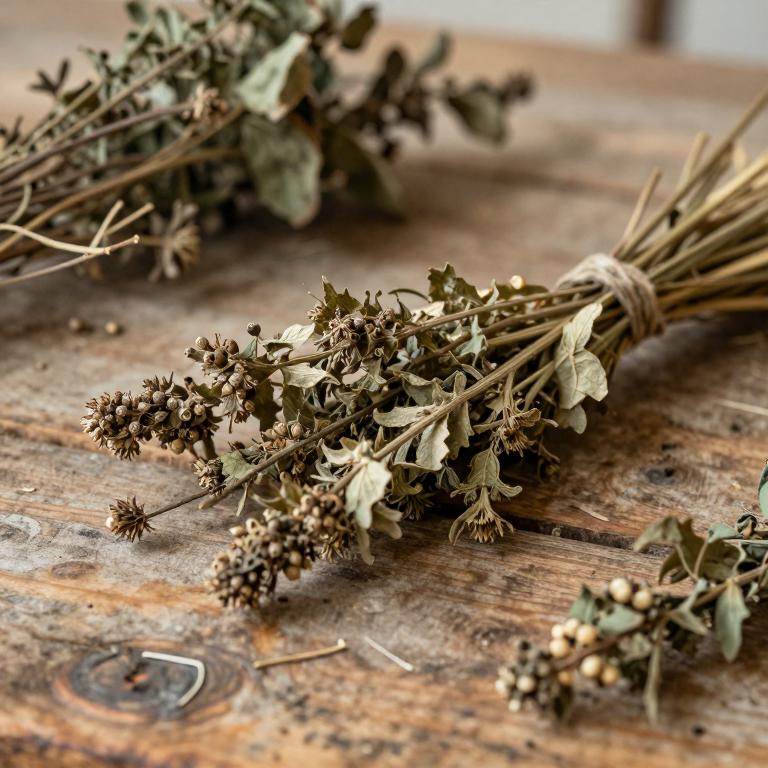
Names and Synonyms
Scientific Names
Accepted name
Convolvulus scammoniaDistribution
This plant exhibits a diverse geographical range stretching across several distinct regions. In Eastern Europe, its presence is specifically noted in Krym. Moving into Western Asia, it can be found throughout the East Aegean Islands. The species also inhabits various territories within Western Asia, including Iraq. Furthermore, its distribution extends to the Levant regions of Lebanon-Syria and Palestine.
| Region | Area |
|---|---|
| Eastern Europe | Krym |
| Western Asia | East Aegean Is. |
| Western Asia | Iraq |
| Western Asia | Lebanon-Syria |
| Western Asia | Palestine |
| Western Asia | Sinai |
| Western Asia | Türkiye |
Sources: The World Checklist of Vascular Plants (WCVP)
Botanical Identification
Ecology
The ecology of Convolvulus scammonia is characterized by its preference for specific transitional environments, primarily thriving within the sheltered and nutrient-rich settings of forests and shrubberies. In these habitats, the plant utilizes the structural complexity of woody vegetation to find suitable microclimates, often benefiting from the dappled light and organic matter provided by the forest floor or the dense canopy of shrublands. By colonizing these areas, it integrates into the understory or edge ecosystems, where the presence of shrubs provides necessary physical support and protection from excessive environmental exposure.
- Habitat :
- forest, shrubberies
Life history
The life history of Convolvulus scammonia is characterized by a perennial lifecycle, allowing the plant to persist through multiple growing seasons. It functions primarily as a hemicryptophyte, a life form where the perennating buds are located at the soil surface, protected by a layer of leaf litter or organic matter. This hemicryptophytic habit ensures its survival and ability to regenerate annually within its natural habitat.
- Life form :
- hemicryptophyte
- Lifecycle :
- perennial
Morphology
The morphology of Convolvulus scammonia is characterized by its growth form as a non-woody herb, specifically classified as a forb. This plant functions as an obligatory climber, utilizing its stems to ascend surrounding structures for support. In terms of its ecological habit, it is a terrestrial species, existing independently without any parasitic relationship to other plants.
- Aquatic :
- terrestrial
- Climber :
- obligatory
- Growth form :
- herb
- Parasite :
- independent
- Woodiness :
- non-woody
Reproduction
The reproduction of Convolvulus scammonia is characterized by a specific seasonal flowering cycle and precise seed production metrics. The flowering period typically commences in June and extends through August, though the timing can be variable depending on environmental conditions. During this reproductive phase, the plant produces seeds with a highly consistent mass; the mean, maximum, and minimum seed mass are all recorded at 0.02756 g, indicating a very uniform seed size across the population.
- Flowering time :
- Jun
- Flowering time :
- Aug
- Seed mass mean:
- 0.02756 g
Sources: Global Inventory of Floras and Traits (GIFT)
Plant Parts
Convolvulus scammonia has 1 reported plant parts identified across 1 scientific publications and several other databases that are studied for medicinal purposes. The most consistently reported plant part include root.
| Plant part | Supporting sources | Consensus |
|---|---|---|
| Root | 1 supporting sources | ★☆☆☆☆ |
Root
- Molecules (Basel, Switzerland)
Preparations
Convolvulus scammonia has 2 reported preparations identified across 1 scientific publications and several other databases. The most consistently reported preparations include Convolvulus scammonia, Root.
| Preparation | Supporting sources | Consensus |
|---|---|---|
| Convolvulus scammonia | 1 supporting sources | ★☆☆☆☆ |
| Root | 1 supporting sources | ★☆☆☆☆ |
Convolvulus scammonia
- Journal of ethnopharmacology
Root
- Molecules (Basel, Switzerland)