Convolvulus prostratus
Convolvulus prostratus · Accepted scientific name
Scientific literature: Very Sparse (3 studies) · ★☆☆☆☆
Convolvulus prostratus is a botanical species that has garnered significant scientific interest due to its diverse therapeutic potential. Research indicates that both the leaf and the root contain bioactive compounds, most notably the chemical kaempferol. When utilized as a root extract, the plant demonstrates powerful antioxidant and neuroprotective activities. These properties suggest its efficacy in addressing complex conditions such as Alzheimer's Disease and providing analgesic relief. Consequently, this plant serves as a promising natural resource for managing oxidative stress and neurological decline.
- Synonyms
- Not available
- Common names
- Not available
- Family
- Not available
- Distribution
- Southern America
- Plant Parts
- Leaf · Root
Classification
Distribution
Identification
Biological Activities
Convolvulus prostratus is emerging as a significant subject of interest within the study of medicinal plants for neurodegenerative disorders. Research indicates that this species possesses notable antioxidant activity, which plays a crucial role in regulating oxidative stress. Furthermore, the plant exhibits potent neuroprotective properties that may help in delaying the onset of neurodegeneration. These bioactive characteristics are particularly relevant when examining potential therapeutic interventions for complex conditions like Alzheimer's disease. Consequently, the unique chemical profile of this plant highlights its promising prospects for future drug development and holistic treatment strategies.
Compounds
Convolvulus prostratus is a plant species that has been noted for its specific chemical properties, including the presence of kaempferol. While research has focused heavily on the medicinal potential of related species like Convolvulus pluricaulis, the chemical profiling of the Convolvulaceae family remains a vital area of study. For instance, investigations into Shankhpushpi have revealed that kaempferol content can vary significantly depending on the geographical origin of the specimen. In certain studied populations, such as those from Delhi, the concentration of this compound was found to be particularly high. Understanding these phytochemical relationships is essential for distinguishing genuine medicinal plants from potential adulterants in the market.
Conditions
Convolvulus prostratus, also identified as Convolvulus pluricaulis, demonstrates significant therapeutic potential in treating Alzheimer's disease through its neuroprotective and Alzheimer's disease-reversing effects. Research indicates that the plant's metabolites can interact with various proteins and synapses to combat neurodegeneration and enhance cognitive functions. Furthermore, the plant exhibits anti-ulcerogenic properties that effectively treat gastric ulceration induced by 2 hr cold restraint stress. It also shows efficacy in treating models of gastric ulcers caused by 4 hr pyloric ligation in rats. These diverse biological activities highlight the plant's medicinal value in addressing both neurological and gastrointestinal conditions.
Preparations
Convolvulus prostratus is prepared as a root extract to investigate its potential regulatory effects on thyroid function. This specific preparation is utilized to evaluate how the plant might influence hormone production in biological models. Through its application, researchers can study the inhibition of certain enzyme activities related to metabolic processes. The use of this root extract allows for a focused examination of its role in managing conditions like hyperthyroidism. Ultimately, the extraction process is essential for testing the plant's medicinal properties in a controlled setting.
Parts used
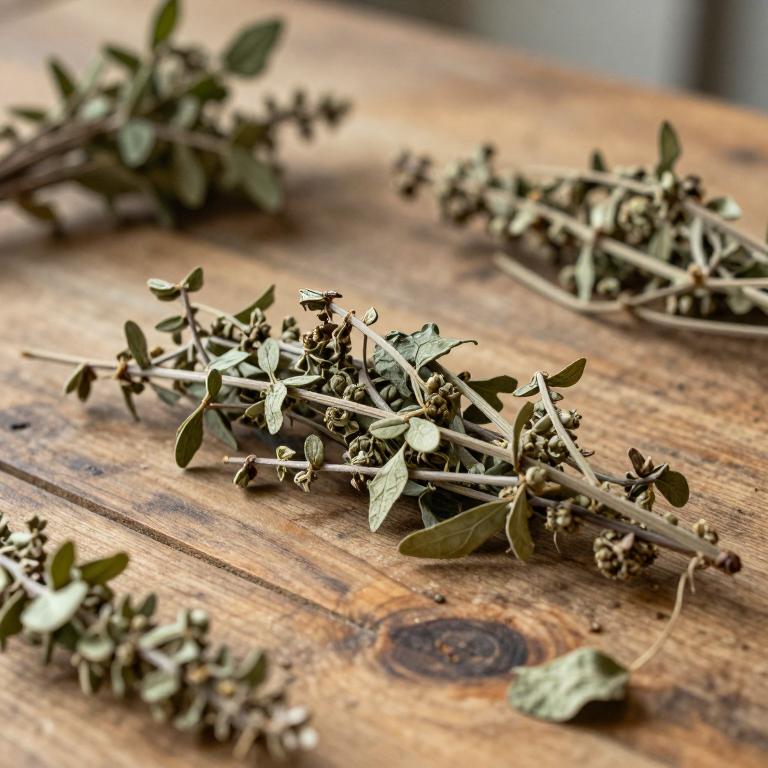
Convolvulus prostratus is a plant species characterized by its distinct morphological structures, including both the leaf and the root. These specific parts are essential to the plant's biological identity and its potential utility in botanical studies. While researchers often focus on various species within the Convolvulus genus, understanding the fundamental components of this plant remains vital. The presence of both leaves and roots allows for a comprehensive analysis of its chemical and physiological properties. Consequently, studying these specific plant parts provides a foundation for exploring broader medicinal or ecological relationships.