Conioselinum anthriscoides 'Chuanxiong'
Conioselinum anthriscoides 'Chuanxiong' · Accepted scientific name
Scientific literature: Very Sparse (0 studies) · ★☆☆☆☆
Conioselinum anthriscoides 'Chuanxiong' is a medicinal plant valued for its therapeutic potential in addressing complex neurological conditions. Utilizing various plant parts such as the rhizome, stem, leaf, and root, researchers have identified key bioactive chemicals including Butylidenephthalide, Ligustilide, Senkyunolide A, and ferulic acid. These compounds are often extracted through preparations like volatile oils, rhizomes, Gan-ning Granules, or refined into Ligustrazine (LIG). Such components are scientifically noted for their ability to target conditions such as migraine, neuroinflammation, oxidative stress, and platelet aggregation. Consequently, this plant remains a significant subject of study for its multifaceted pharmacological properties.
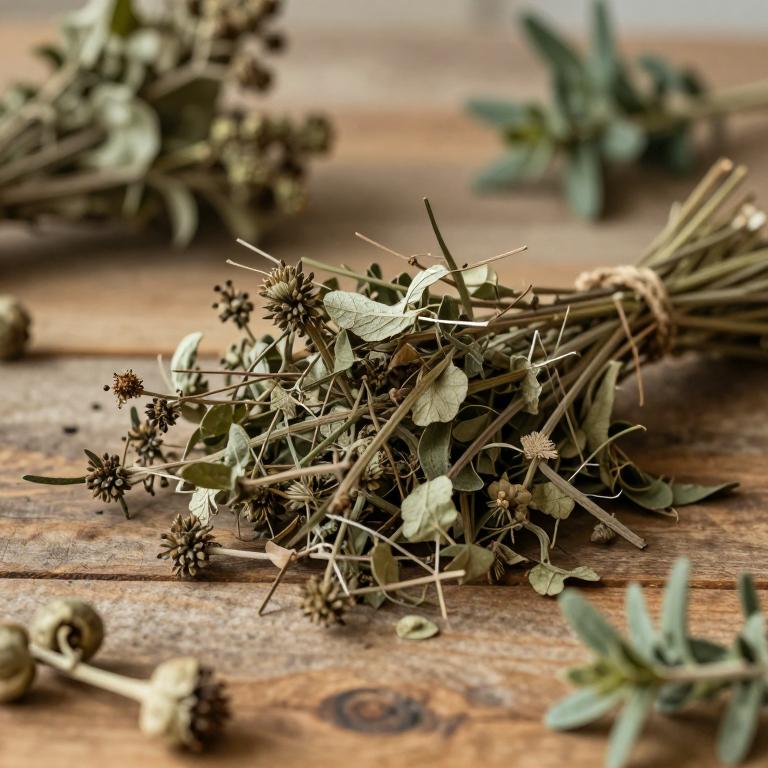
- Synonyms
- Not available
- Common names
- Not available
- Family
- Not available
- Distribution
- Not available
- Plant Parts
- Rhizome · Stem
Classification
Distribution
Identification
Biological Activities
Compounds
Conioselinum anthriscoides 'Chuanxiong' is a significant medicinal herb characterized by a complex chemical profile. Research identifies that this plant contains several key bioactive compounds, including the important antioxidant ferulic acid. Furthermore, the plant is a known source of various phthalides, specifically butylidenephthalide and butylphthalide. The chemical composition also features substantial amounts of senkyunolide A, which plays a vital role in its biosynthetic pathways. Additionally, the presence of ligustilide contributes to the plant's diverse pharmacological properties and therapeutic potential.
Conditions
Conioselinum anthriscoides 'Chuanxiong' treats beta1 acceptor through the action of its component vanillic. The plant's active compounds also treat migraine by ameliorating neuroinflammation and associated oxidative stress. It further treats neuroinflammation by suppressing specific chemokine axes and inhibiting the activation of inflammatory pathways. Additionally, the plant treats neuronal damage and cognitive dysfunction by exerting neuroprotective effects in various models. Finally, Conioselinum anthriscoides 'Chuanxiong' treats oxidative stress by reducing the accumulation of reactive oxygen species and enhancing antioxidant enzyme activity.
Preparations
Conioselinum anthriscoides 'Chuanxiong' is prepared as rhizomes, which are utilized for their significant anticoagulant and medicinal properties. This plant is also prepared as volatile oil, often used to determine specific components like ligustilide through advanced chromatographic methods. For pharmaceutical applications, it is prepared as Gan-ning Granule, with optimized extraction and spray-drying processes used to ensure high ferulic acid yields. Furthermore, the plant is prepared as Ligustrazine (LIG), a natural compound that can be encapsulated into nanocarriers to provide cardioprotective effects. Finally, Conioselinum anthriscoides 'Chuanxiong' is prepared as plant-derived extracellular vesicle-like nanoparticles (PEVs), which serve as a promising platform for cross-kingdom miRNA delivery.
Parts used
Conioselinum anthriscoides 'Chuanxiong' is a significant medicinal and edible plant characterized by several distinct anatomical structures. The plant's biological development involves the growth of various components, including the stem and leaves. Research into its chemical diversity has highlighted how different parts, such as the rhizome and fibrous roots, contain unique phytochemicals and bioactivities. Furthermore, studies on heavy metal accumulation have tracked the distribution of elements across the roots, stems, and leaves. Understanding these various parts is essential for optimizing the cultivation and medical application of this versatile species.