Conchocarpus coeruleus
Conchocarpus coeruleus · Accepted scientific name
Scientific literature: Very Sparse (1 studies) · ★☆☆☆☆
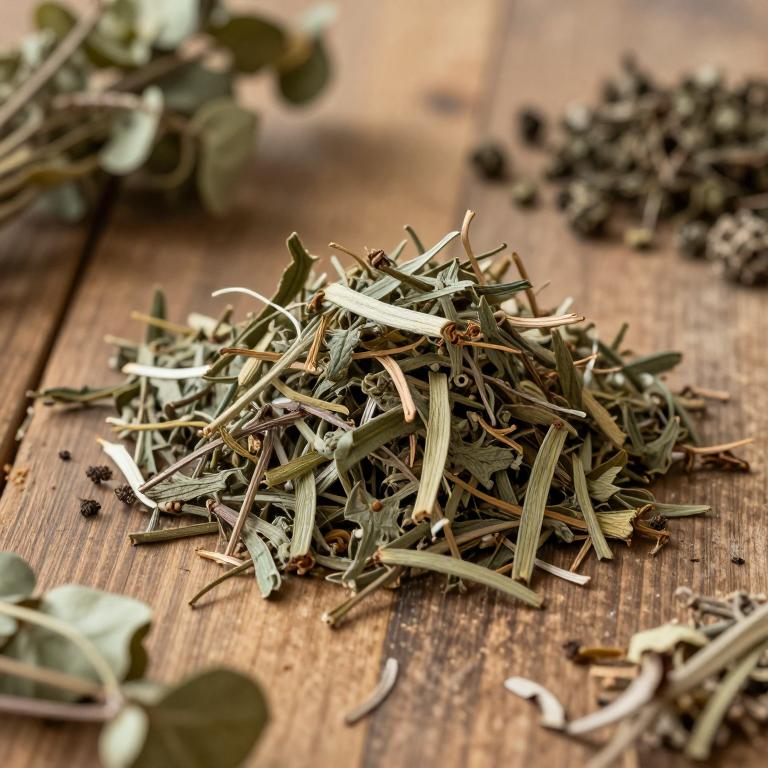
Conchocarpus coeruleus, is a remarkable medicinal plant native to tropical regions, prized for its diverse therapeutic properties. Often used in traditional medicine, its leaves and bark contain bioactive compounds with antioxidant and anti-inflammatory potential. This versatile species offers significant promise for modern pharmacological research and natural healing practices.
- Family
- Not available
- Native range
- Southern America
- Parts used
- Leaf
- Common names
- Not available
- Scientific synonyms
- Not available
Names and Synonyms
Scientific Names
Accepted name
Conchocarpus coeruleusDistribution
This plant is primarily found within the specific environmental conditions of South America. Its documented presence is concentrated within the borders of Brazil. Specifically, the geographical distribution of Conchocarpus coeruleus is located in the Northeast region of the country. This localized occurrence suggests that the species thrives in the unique climates found there. Therefore, researchers focusing on this medicinal plant should direct their studies toward the Brazilian Northeast.
| Region | Area |
|---|---|
| Brazil | Brazil Northeast |
Sources: The World Checklist of Vascular Plants (WCVP)
Botanical Identification
Ecology
The ecology of Conchocarpus coeruleus is characterized by its presence in specific tropical ecosystems, primarily inhabiting Ombrophilous Forests (Rainforests) and Restinga environments. In the humid, high-precipitation conditions of the Ombrophilous Forest, the species thrives within the complex structural layers of the rainforest, where it benefits from consistent moisture levels and filtered sunlight. Additionally, its occurrence in Restinga habitats—coastal sandy ecosystems—demonstrates a degree of ecological plasticity, allowing it to adapt to the distinct soil compositions and salt spray influences typical of these coastal formations. This distribution suggests a preference for environments that provide significant water availability and specific niche conditions found within these lush or coastal transitional landscapes.
- Habitat :
- Floresta Ombrófila (= Floresta Pluvial), Restinga
Morphology
The morphology of Conchocarpus coeruleus is characterized by its growth form as a woody tree, reaching a maximum plant height of approximately 7 meters. It functions as an independent organism, neither acting as a parasite nor as an epiphyte, maintaining a strictly terrestrial existence rather than being aquatic or semiaquatic. Although some related structures in similar taxa may exhibit climbing tendencies, this species is classified as self-supporting in both its climbing and structural capacities, rather than being an obligatory or facultative vine or liana.
- Aquatic :
- terrestrial
- Climber :
- self-supporting
- Epiphyte :
- terrestrial
- Growth form :
- tree
- Parasite :
- independent
- Plant height max:
- 7 m
- Woodiness :
- woody
Sources: Global Inventory of Floras and Traits (GIFT)
Plant Parts
Conchocarpus coeruleus has 1 reported plant parts identified across 1 scientific publications and several other databases that are studied for medicinal purposes. The most consistently reported plant part include leaf.
| Plant part | Supporting sources | Consensus |
|---|---|---|
| Leaf | 1 supporting sources | ★☆☆☆☆ |
Leaf
- Journal of ethnopharmacology
Preparations
Conchocarpus coeruleus has 1 reported preparations identified across 1 scientific publications and several other databases. The most consistently reported preparations include butanol fraction.
| Preparation | Supporting sources | Consensus |
|---|---|---|
| Butanol fraction | 1 supporting sources | ★☆☆☆☆ |
Butanol fraction
- Journal of ethnopharmacology