corkwoods
Commiphora · Accepted scientific name
Scientific literature: Very Sparse (27 studies) · ★☆☆☆☆
Corkwoods, scientifically known as Commiphora, is a diverse genus of small trees and shrubs renowned for producing aromatic resins. Widely distributed across Africa and Asia, these plants offer significant medicinal value. Their resins, often used in traditional healing, possess potent antimicrobial, anti-inflammatory, and wound-healing properties essential to pharmacology.
- Family
- Burseraceae
- Native range
- Africa
- Parts used
- Leaf · Stem
- Common names
- Corkwoods · Myrrh
- Scientific synonyms
- Hitzera · Heudelotia · 10 more
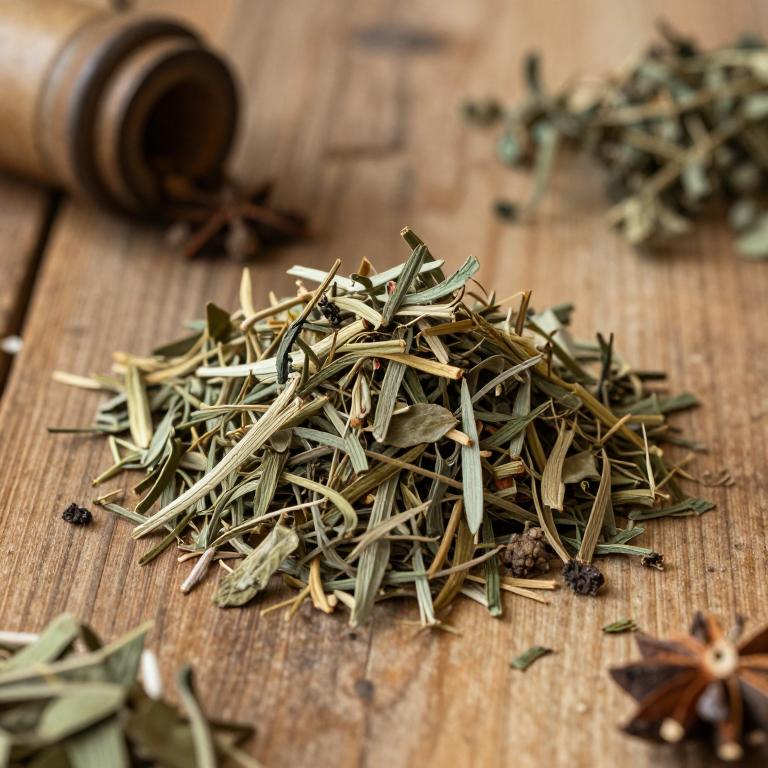
Names and Synonyms
Common Names
- corkwoods
- myrrh
Scientific Names
Accepted name
CommiphoraSynonyms
- Hitzera
- Heudelotia
- Hemprichia
- Spondiopsis
- Niotoutt
- Neomangenotia
- Balsamophloeos
- Balsamus
- Balessam
- Balsamodendrum
- Balsamea
- Protionopsis
Regional and Traditional Names
Spanish:
- Neomangenotia
- Balsamodendrum
- Balsamea
- Hemprichia
French:
- Balsamea
- Balsamodendron
Sources: Wikidata, Catalogue of Life
Taxonomical Classification
This plant belongs to the kingdom Plantae within the phylum Streptophyta and the class Equisetopsida. It is further classified under the subclass Magnoliidae and the order Sapindales. Finally, it is a member of the family Burseraceae and is identified by the genus Commiphora.
| Rank | Classification |
|---|---|
| Kingdom | Plantae |
| Phylum | Streptophyta |
| Class | Equisetopsida |
| Subclass | Magnoliidae |
| Order | Sapindales |
| Family | Burseraceae |
| Genus | Commiphora |
Sources: The World Checklist of Vascular Plants (WCVP)
Distribution
This plant exhibits a diverse geographical distribution across several distinct regions of the African continent. In Northern Africa, its presence is documented within the borders of Egypt. Moving toward the West Tropical Africa region, the species can be found in Benin and Burkina. Additionally, the plant is known to inhabit the territories of Gambia and Ghana. Together, these locations highlight the wide range of environments where Commiphora grows.
| Region | Area |
|---|---|
| Northern Africa | Egypt |
| West Tropical Africa | Benin |
| West Tropical Africa | Burkina |
| West Tropical Africa | Gambia |
| West Tropical Africa | Ghana |
| West Tropical Africa | Ivory Coast |
| West Tropical Africa | Mali |
| West Tropical Africa | Mauritania |
| West Tropical Africa | Nigeria |
| West Tropical Africa | Niger |
Sources: The World Checklist of Vascular Plants (WCVP)
Plant Parts
Commiphora has 2 reported plant parts identified across 2 scientific publications and several other databases that are studied for medicinal purposes. The most consistently reported plant part include leaf, stem.
| Plant part | Supporting sources | Consensus |
|---|---|---|
| Leaf | 1 supporting sources | ★☆☆☆☆ |
| Stem | 1 supporting sources | ★☆☆☆☆ |
Leaf
- Journal of ethnopharmacology
Stem
- Journal of ethnopharmacology
Chemicals
Commiphora has 1 reported phytochemicals identified across 2 scientific publications and several other databases. The most consistently reported chemicals include trehalose.
| Chemical | Supporting sources | Consensus |
|---|---|---|
| trehalose | 1 supporting sources | ★☆☆☆☆ |
trehalose
- Journal of natural medicines
Activities
Commiphora has 4 reported activities identified across 2 scientific publications and several other databases. The most consistently reported activities include Antimicrobial, Antioxidant, Antiproliferative, Cytotoxic.
| Activity | Supporting sources | Consensus |
|---|---|---|
| Antimicrobial | 1 supporting sources | ★☆☆☆☆ |
| Antioxidant | 1 supporting sources | ★☆☆☆☆ |
| Antiproliferative | 1 supporting sources | ★☆☆☆☆ |
| Cytotoxic | 1 supporting sources | ★☆☆☆☆ |
Antimicrobial
- Journal of ethnopharmacology
Antioxidant
- Journal of ethnopharmacology
Antiproliferative
- Journal of ethnopharmacology
Cytotoxic
- Journal of ethnopharmacology
Conditions
Commiphora has 11 reported investigations on conditions identified across 2 scientific publications and several other databases. The most consistently reported conditions include arthritis, hyperlipidemia, trauma, coronary artery diseases, gastrointestinal diseases.
| Condition | Supporting sources | Consensus |
|---|---|---|
| Arthritis | 2 supporting sources | ★☆☆☆☆ |
| Hyperlipidemia | 2 supporting sources | ★☆☆☆☆ |
| Trauma | 2 supporting sources | ★☆☆☆☆ |
| Coronary artery diseases | 1 supporting sources | ★☆☆☆☆ |
| Gastrointestinal diseases | 1 supporting sources | ★☆☆☆☆ |
| Inflammation | 1 supporting sources | ★☆☆☆☆ |
| Obesity | 1 supporting sources | ★☆☆☆☆ |
| Pain | 1 supporting sources | ★☆☆☆☆ |
| Tumor | 1 supporting sources | ★☆☆☆☆ |
| Wound | 1 supporting sources | ★☆☆☆☆ |
Arthritis
- Journal of ethnopharmacology
- Pharmaceuticals (Basel, Switzerland)
Hyperlipidemia
- Journal of ethnopharmacology
- Pharmaceuticals (Basel, Switzerland)
Trauma
- Journal of ethnopharmacology
- Pharmaceuticals (Basel, Switzerland)
Coronary artery diseases
- Journal of ethnopharmacology
Gastrointestinal diseases
- Journal of ethnopharmacology
Inflammation
- Journal of ethnopharmacology
Obesity
- Journal of ethnopharmacology
Pain
- Journal of ethnopharmacology
Tumor
- Journal of ethnopharmacology
Wound
- Journal of ethnopharmacology
Preparations
Commiphora has 3 reported preparations identified across 2 scientific publications and several other databases. The most consistently reported preparations include oleo-gum-resins, resinous exudates, resinous substance.
| Preparation | Supporting sources | Consensus |
|---|---|---|
| Oleo-gum-resins | 1 supporting sources | ★☆☆☆☆ |
| Resinous exudates | 1 supporting sources | ★☆☆☆☆ |
| Resinous substance | 1 supporting sources | ★☆☆☆☆ |
Oleo-gum-resins
- Journal of ethnopharmacology
Resinous exudates
- Journal of ethnopharmacology
Resinous substance
- Pharmaceuticals (Basel, Switzerland)