Commiphora parvifolia
Commiphora parvifolia · Accepted scientific name
Scientific literature: Very Sparse (0 studies) · ★☆☆☆☆
Commiphora parvifolia is a resilient shrub species known for its significant presence in various traditional medicinal practices. Recent pharmacological investigations have focused on the bioactive potential of its methanolic extracts to uncover new therapeutic properties. These studies specifically highlight the plant's ability to combat various strains of Gram-positive bacteria. By utilizing specialized solvent extraction methods, researchers aim to isolate the specific compounds responsible for this antimicrobial activity. Understanding these chemical profiles is essential for developing future treatments against persistent bacterial pathogens.
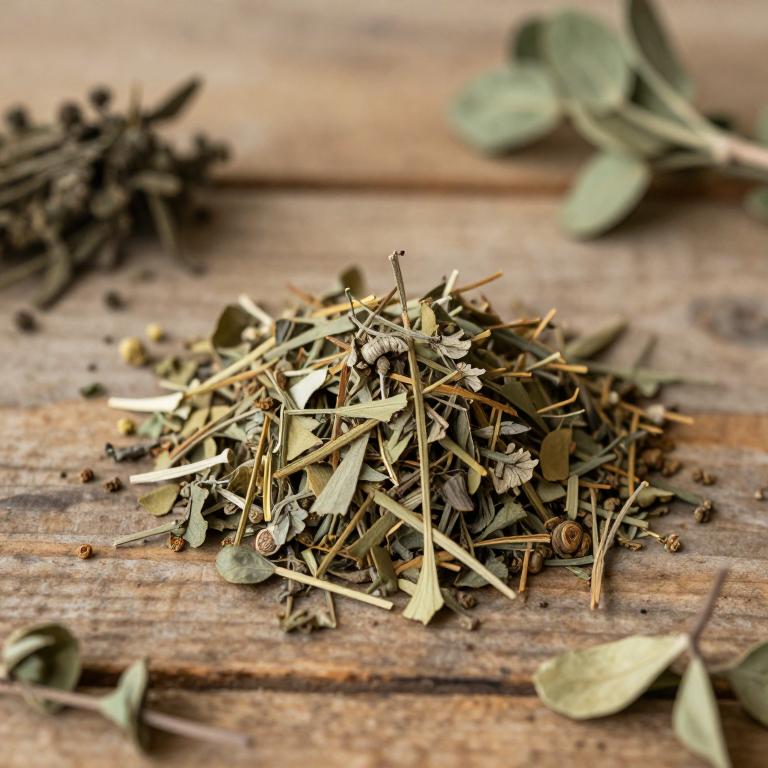
- Synonyms
- Balsamodendrum Parvifolium
- Common names
- Not available
- Family
- Burseraceae
- Distribution
- Not available
- Plant Parts
- Not available
Classification
Synonyms
Commiphora parvifolia is a distinctive plant species that is frequently identified in botanical literature under its synonym, Balsamodendrum parvifolium. Understanding this nomenclature is essential for researchers and enthusiasts who wish to track the plant's classification across various scientific studies. Although the names may differ depending on the taxonomic system used, they both refer to the same biological entity. Recognizing these linguistic variations helps prevent confusion when navigating diverse herbarium records and field guides. Consequently, mastering these botanical relationships ensures greater accuracy in the study of this species' unique characteristics.
Sources: The World Checklist of Vascular Plants (WCVP)
Taxonomy
Commiphora parvifolia belongs to the diverse kingdom Plantae, representing a unique branch of the natural world. Within this expansive kingdom, the species is classified under the class Equisetopsida. It further falls into the order Sapindales, a group that connects it to various other significant botanical lineages. The plant is a member of the genus Commiphora, which distinguishes its specific morphological traits. Finally, it is categorized within the family Burseraceae, placing it among a specialized group of aromatic trees and shrubs.
| Rank | Classification |
|---|---|
| Kingdom | Plantae |
| Phylum | Streptophyta |
| Class | Equisetopsida |
| Subclass | Magnoliidae |
| Order | Sapindales |
| Family | Burseraceae |
| Genus | Commiphora |
Sources: The World Checklist of Vascular Plants (WCVP)
Distribution
Geographic Regions
Commiphora parvifolia is a resilient plant species primarily distributed across the vast landscapes of Africa. Its presence is particularly notable throughout the diverse ecosystems of Northeast Tropical Africa. Additionally, this species can be found growing in the unique environment of Socotra. These specific geographic ranges highlight the plant's ability to adapt to varied regional climates. Understanding its distribution provides valuable insight into the ecological connections within these distinct African territories.
Sources: The World Checklist of Vascular Plants (WCVP)
Identification
Biological Activities
Compounds
Conditions
Commiphora parvifolia exhibits significant antimicrobial properties, specifically when utilizing its methanolic extracts. This plant has demonstrated the ability to treat various Gram-positive bacteria. Furthermore, its antibacterial activity extends to combating multiresistant Staphylococcus strains. These findings highlight the plant's effectiveness against challenging bacterial pathogens. The research specifically identifies its methanolic extract as one of the most active substances in this category.
Preparations
Commiphora parvifolia is prepared as methanolic extracts during the study of medicinal plants from the island of Soqotra. These specific extracts were generated by using methanol as a solvent on dried plant samples. Among the various tested substances, the methanolic extracts of this species demonstrated notable antibacterial activity. This activity was particularly effective against Gram-positive bacteria, including multiresistant Staphylococcus strains. Consequently, the preparation of Commiphora parvifolia as a methanolic extract proved to be a significant part of the antimicrobial research conducted.