Combretum trifoliatum
Combretum trifoliatum · Accepted scientific name
Scientific literature: Very Sparse (0 studies) · ★☆☆☆☆
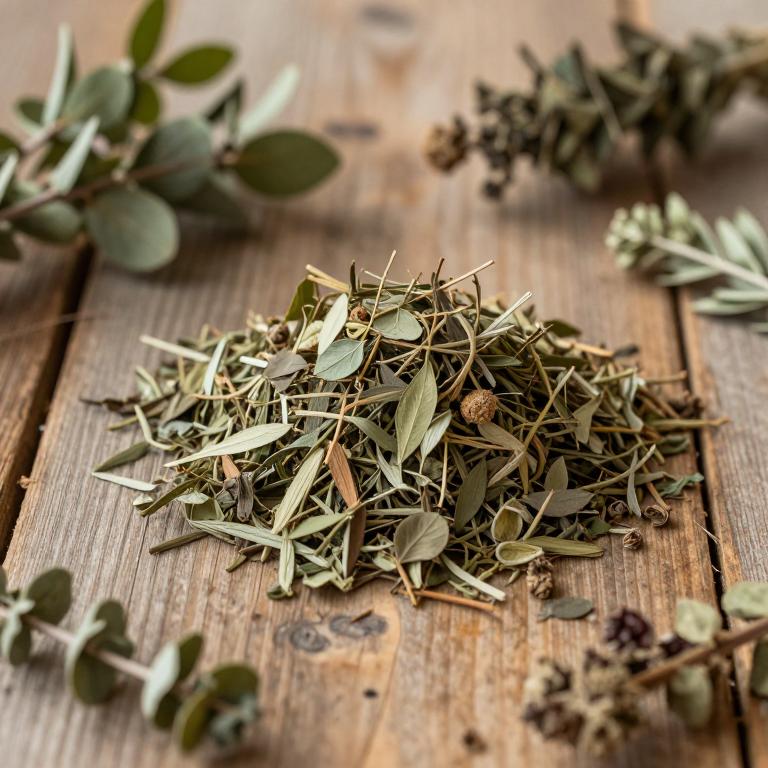
Combretum trifoliatum is a distinctive climbing shrub known for its unique leaf structure and resilient growth patterns. This species is frequently studied within botanical circles due to the diverse chemical profiles found within its tissues. Researchers often focus on the development of various extracts to harness the plant's potential biological properties. These concentrated preparations serve as the primary medium for exploring its traditional and medicinal applications. Understanding the composition of these extracts is essential for advancing knowledge regarding this versatile plant.
- Synonyms
- Terminalia Lancifolia · Embryogonia Lucida · 4 more
- Common names
- Not available
- Family
- Combretaceae
- Distribution
- Asia-Tropical
- Plant Parts
- Not available
Classification
Synonyms
Combretum trifoliatum is a botanical species characterized by a complex history of taxonomic classification. Throughout various scientific studies, it has been identified by several different synonyms, including Cacoucia lucida and Cacoucia trifoliata. Researchers have also documented the plant under the names Combretum bellum and Combretum lucidum. Furthermore, the species is linked to the name Embryogonia lucida in certain botanical records. Understanding these overlapping designations is essential for accurate identification within the plant kingdom.
Sources: The World Checklist of Vascular Plants (WCVP)
Taxonomy
Combretum trifoliatum is a distinctive species belonging to the vast kingdom Plantae. Within this biological kingdom, it is classified under the class Equisetopsida. Further refinement of its identity places it in the order Myrtales. It is also a proud member of the Combretaceae family, showcasing its unique evolutionary traits. Ultimately, this plant is defined by its specific placement within the genus Combretum.
| Rank | Classification |
|---|---|
| Kingdom | Plantae |
| Phylum | Streptophyta |
| Class | Equisetopsida |
| Subclass | Magnoliidae |
| Order | Myrtales |
| Family | Combretaceae |
| Genus | Combretum |
Sources: The World Checklist of Vascular Plants (WCVP)
Distribution
Geographic Regions
Combretum trifoliatum is a plant species primarily distributed throughout the tropical regions of Asia. Its presence is specifically noted within the diverse landscapes of Indo-China. Within this territory, the species can be found growing in the lush environments of Cambodia and Laos. It also maintains a significant distribution across Myanmar and Thailand. Finally, the plant's range extends through the various ecological zones of Vietnam.
Sources: The World Checklist of Vascular Plants (WCVP)
Identification
Morphology
Combretum trifoliatum is a distinctive shrub characterized by its obligatory climbing habit. As it seeks support to ascend, the plant can reach a maximum height of approximately 5 meters. This growth pattern allows it to effectively navigate its environment while maintaining its structural form.
Sources: Global Inventory of Floras and Traits (GIFT)
Biological Activities
Compounds
Conditions
Combretum trifoliatum demonstrates significant anti-Acanthamoeba activity against both the trophozoite and cyst stages of Acanthamoeba triangularis. The extract specifically treats these organisms by showing a minimum inhibitory concentration of 1,000 μg/mL for both life cycle forms. In terms of adhesion, pre-treatment with C. trifoliatum was found to reduce trophozoite adhesion to surfaces by 90%. Morphological observations via SEM further confirm its efficacy, as treated trophozoites showed a loss of acanthopodia and treated cysts exhibited a retracted, folded appearance. These findings highlight the plant's potential as a medicinal treatment for infections caused by A. triangularis.
Preparations
Combretum trifoliatum is prepared as extracts to investigate its potential medicinal properties against infectious diseases. These specific extracts were evaluated for their anti-Acanthamoeba and anti-adhesion activities. In the study, the extract demonstrated a minimum inhibitory concentration of 1,000 μg/mL against both trophozoites and cysts of A. triangularis. Utilizing these extracts as a pre-treatment resulted in a 90% reduction of trophozoite adhesion to surfaces. Ultimately, the application of these plant extracts suggests they may serve as a beneficial treatment option against Acanthamoeba infections.