Combretum sericeum
Combretum sericeum · Accepted scientific name
Scientific literature: Very Sparse (5 studies) · ★☆☆☆☆
Combretum sericeum, scientifically known as Combretum sericeum, is a remarkable medicinal shrub prized for its diverse therapeutic properties. Renowned in traditional medicine, its leaves and bark contain potent bioactive compounds used to treat inflammation, skin ailments, and digestive issues, offering a rich natural resource for modern pharmacological research.
- Family
- Combretaceae
- Native range
- Africa
- Parts used
- Not available
- Common names
- Not available
- Scientific synonyms
- Poivrea Sericea · Combretum Lineare · 8 more
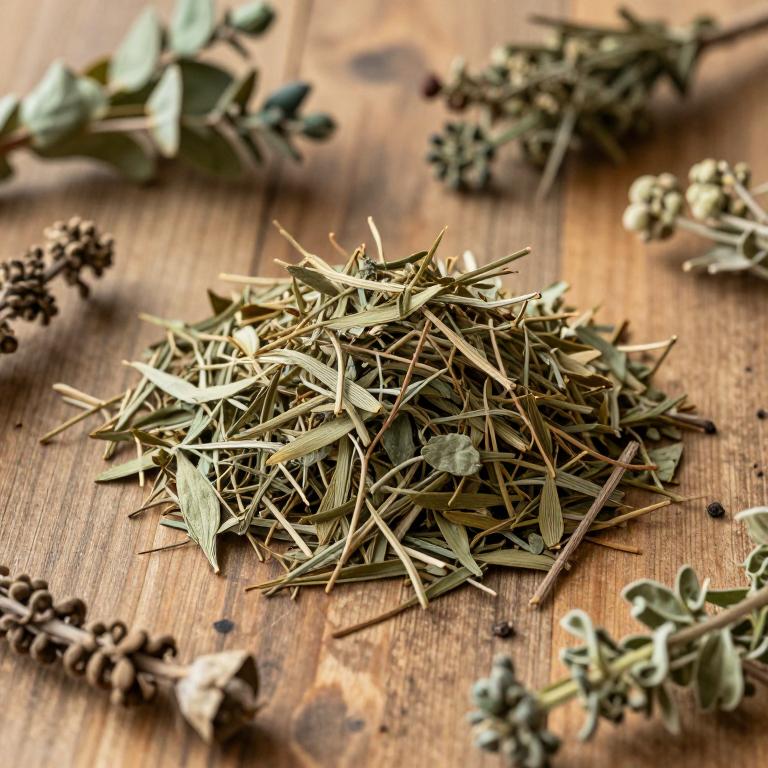
Names and Synonyms
Scientific Names
Accepted name
Combretum sericeumSynonyms
- Poivrea sericea
- Combretum lineare
- Combretum katangense
- Combretum platypetalum
- Combretum parvulum
- Combretum argyrochryseum
- Combretum herbaceum
- Combretum simulans
- Combretum turbinatum
- Combretum zastrowii
Sources: Wikidata
Taxonomical Classification
This plant belongs to the kingdom Plantae and the phylum Streptophyta, falling under the class Equisetopsida and subclass Magnoliidae. Within the order Myrtales, it is classified under the family Combretaceae. Specifically, it is identified by its genus, Combretum sericeum.
| Rank | Classification |
|---|---|
| Kingdom | Plantae |
| Phylum | Streptophyta |
| Class | Equisetopsida |
| Subclass | Magnoliidae |
| Order | Myrtales |
| Family | Combretaceae |
| Genus | Combretum |
Sources: The World Checklist of Vascular Plants (WCVP)
Distribution
This plant, Combretum sericeum, exhibits a specific distribution pattern across the West Tropical Africa region. Its presence is documented within the borders of Benin, where it grows in local ecosystems. Furthermore, the species can be found spreading through the landscapes of Burkina. The geographical range also extends into the territories of Ghana and Guinea. Finally, the distribution of this medicinal plant includes the coastal and inland areas of Ivory Coast.
| Region | Area |
|---|---|
| West Tropical Africa | Benin |
| West Tropical Africa | Burkina |
| West Tropical Africa | Ghana |
| West Tropical Africa | Guinea |
| West Tropical Africa | Ivory Coast |
| West Tropical Africa | Mali |
| West Tropical Africa | Nigeria |
| West Tropical Africa | Sierra Leone |
| West-Central Tropical Africa | Central African Republic |
| West-Central Tropical Africa | Cameroon |
Sources: The World Checklist of Vascular Plants (WCVP)
Botanical Identification
Ecology
The ecology of Combretum sericeum is defined by its specific niche within geoxylic grasslands characterized by sandy soils. This species thrives within a distinct altitudinal gradient, occupying an elevational range that begins at 915 m AMSL and extends to a maximum height of 1400 m AMSL. Its preference for these sandy, geoxylic environments suggests an adaptation to specific soil drainage patterns and nutrient availability unique to these grassland ecosystems.
- Elevational range max:
- 1400 m AMSL
- Elevational range min:
- 915 m AMSL
- Habitat :
- geoxylic grassland (sandy soils)
Life history
The life history of Combretum sericeum is characterized by its status as a perennial organism, allowing it to persist through multiple growing seasons and maintain a long-term presence in its ecological niche. In terms of its structural development and survival strategy, the plant is classified under the life form of a chamaephyte, a designation that describes its growth habit where the permanent shoots are located close to the soil surface. This specific life form, categorized both as a chamaephyte in its primary morphological classification and its secondary structural grouping, enables the plant to thrive by keeping its vital reproductive and vegetative tissues protected near the ground level, often facilitating resilience against environmental stressors.
- Life form :
- chamaephyte
- Lifecycle :
- perennial
Morphology
The morphology of Combretum sericeum is characterized by a woody growth form that can be described as both a shrub and a subshrub. This plant is primarily terrestrial in its habitat, rather than aquatic or semiaquatic, and it functions as an independent organism rather than a parasite or an epiphyte. In terms of its structural habit, it is a self-supporting plant, lacking the climbing tendencies of a liana or vine. The plant exhibits a modest stature, with a height that ranges from a minimum of 0.15 meters to a maximum of 2 meters.
- Aquatic :
- terrestrial
- Climber :
- self-supporting
- Epiphyte :
- terrestrial
- Growth form :
- shrub
- Growth form :
- subshrub
- Parasite :
- independent
- Plant height max:
- 2 m
- Plant height min:
- 0.15 m
- Woodiness :
- woody
Sources: Global Inventory of Floras and Traits (GIFT)
Activities
Combretum sericeum has 3 reported activities identified across 0 scientific publications and several other databases. The most consistently reported activities include Antibacterial, Anticancer, Antifungal.
| Activity | Supporting sources | Consensus |
|---|---|---|
| Antibacterial | 1 supporting sources | ★☆☆☆☆ |
| Anticancer | 1 supporting sources | ★☆☆☆☆ |
| Antifungal | 1 supporting sources | ★☆☆☆☆ |
Antibacterial
- BioMed research international
Anticancer
- BioMed research international
Antifungal
- BioMed research international
Conditions
Combretum sericeum has 2 reported investigations on conditions identified across 0 scientific publications and several other databases. The most consistently reported conditions include sprains, wounds.
| Condition | Supporting sources | Consensus |
|---|---|---|
| Sprains | 1 supporting sources | ★☆☆☆☆ |
| Wounds | 1 supporting sources | ★☆☆☆☆ |
Sprains
- Evidence-based complementary and alternative medicine : eCAM
Wounds
- Evidence-based complementary and alternative medicine : eCAM