Combretum mucronatum
Combretum mucronatum · Accepted scientific name
Scientific literature: Very Sparse (6 studies) · ★☆☆☆☆
Combretum mucronatum, scientifically known as Combretum mucronatum, is a versatile medicinal shrub native to tropical regions. Renowned for its profound therapeutic properties, this plant is traditionally utilized in various cultures to treat inflammation, skin ailments, and digestive issues, offering a rich source of bioactive compounds for modern pharmacology.
- Family
- Combretaceae
- Native range
- Africa
- Parts used
- Leaf
- Common names
- Not available
- Scientific synonyms
- Combretum Smeathmannii · Combretum Pellucidum · 1 more
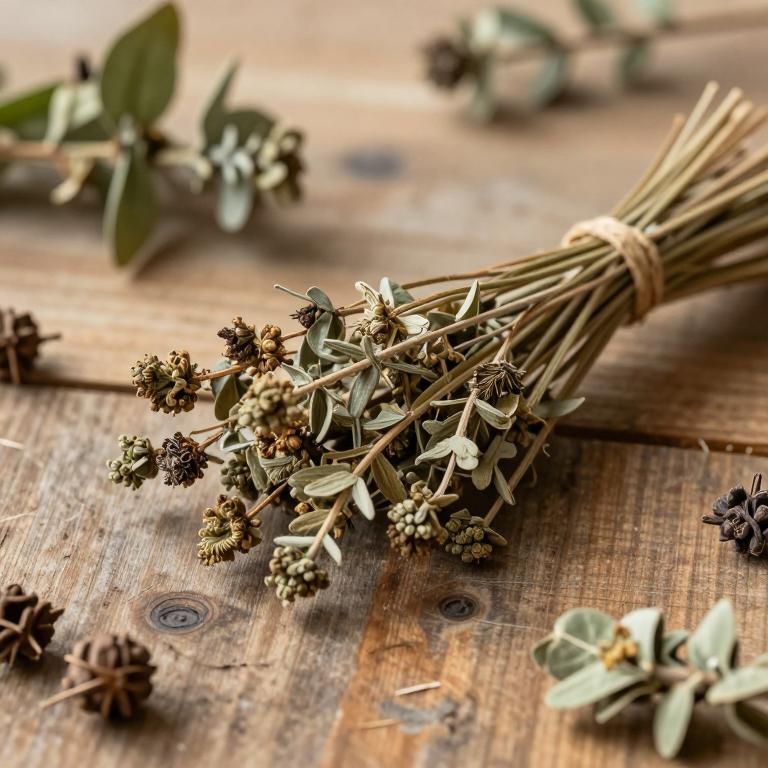
Names and Synonyms
Scientific Names
Accepted name
Combretum mucronatumSynonyms
- Combretum smeathmannii
- Combretum pellucidum
- Combretum mucronatum f. acutum
Sources: Wikidata
Taxonomical Classification
This plant belongs to the kingdom Plantae and is classified under the phylum Streptophyta and the class Equisetopsida. Within the subclass Magnoliidae, it is organized under the order Myrtales and the family Combretaceae. Ultimately, its specific taxonomic identity is defined by its membership in the genus Combretum.
| Rank | Classification |
|---|---|
| Kingdom | Plantae |
| Phylum | Streptophyta |
| Class | Equisetopsida |
| Subclass | Magnoliidae |
| Order | Myrtales |
| Family | Combretaceae |
| Genus | Combretum |
Sources: The World Checklist of Vascular Plants (WCVP)
Distribution
This plant is primarily distributed across the various regions of West Tropical Africa. Specifically, its presence is documented within the borders of Benin. It can also be found growing in the country of Gambia. Furthermore, the species is known to inhabit parts of Ghana and Guinea-Bissau. Finally, its geographical range extends into the nation of Guinea.
| Region | Area |
|---|---|
| West Tropical Africa | Benin |
| West Tropical Africa | Gambia |
| West Tropical Africa | Ghana |
| West Tropical Africa | Guinea-Bissau |
| West Tropical Africa | Guinea |
| West Tropical Africa | Ivory Coast |
| West Tropical Africa | Liberia |
| West Tropical Africa | Nigeria |
| West Tropical Africa | Senegal |
| West Tropical Africa | Sierra Leone |
Sources: The World Checklist of Vascular Plants (WCVP)
Botanical Identification
Life history
The life history of Combretum mucronatum is characterized by its classification as a phanerophyte, a growth form where the perennating buds are located well above the ground on aerial shoots. Within this life history strategy, it specifically functions as a phanerophyte (Life_form_1) and exhibits characteristics associated with the nanophanerophyte and phanerophyte scales (Life_form_2), indicating its ability to maintain woody structures and dormant buds above the soil surface to survive seasonal environmental fluctuations. This life form allows the plant to persist through varying climatic conditions by protecting its vital regenerative tissues on elevated branches, facilitating its long-term survival and structural dominance within its ecological niche.
- Life form :
- phanerophyte
Morphology
The morphology of Combretum mucronatum is characterized by its woody structure and a growth form that is primarily categorized as a shrub. This species exhibits a climbing habit, specifically functioning as a liana, and is an obligatory climber. It is a terrestrial plant, meaning it does not inhabit aquatic or semi-aquatic environments, and it also functions as a terrestrial epiphyte. In terms of size, the plant can reach a mean height of approximately 13 meters. Furthermore, it is an independent organism, lacking parasitic tendencies.
- Aquatic :
- terrestrial
- Climber :
- liana
- Climber :
- obligatory
- Epiphyte :
- terrestrial
- Growth form :
- shrub
- Parasite :
- independent
- Plant height mean:
- 13 m
- Woodiness :
- woody
Reproduction
The reproduction of Combretum mucronatum is characterized by a flexible phenological cycle where both flowering and fruiting periods exhibit significant variability. The flowering process is highly adaptable, with the flowering start and end times being variable throughout the year, potentially occurring across any month from January through December. Similarly, the fruiting stage follows a distinct but variable pattern; while the fruiting cycle is noted to have a specific presence or onset in February, the overall duration and the specific months for the start and end of the fruiting period remain variable, spanning the entire annual calendar.
- Flowering time :
- variable
- Fruiting time :
- Feb
Sources: Global Inventory of Floras and Traits (GIFT)
Plant Parts
Combretum mucronatum has 1 reported plant parts identified across 1 scientific publications and several other databases that are studied for medicinal purposes. The most consistently reported plant part include leaf.
| Plant part | Supporting sources | Consensus |
|---|---|---|
| Leaf | 1 supporting sources | ★☆☆☆☆ |
Leaf
- Molecules (Basel, Switzerland)
Chemicals
Combretum mucronatum has 3 reported phytochemicals identified across 1 scientific publications and several other databases. The most consistently reported chemicals include Condensed Tannins, Epicatechin, Flavonoids.
| Chemical | Supporting sources | Consensus |
|---|---|---|
| Condensed Tannins | 1 supporting sources | ★☆☆☆☆ |
| Epicatechin | 1 supporting sources | ★☆☆☆☆ |
| Flavonoids | 1 supporting sources | ★☆☆☆☆ |
Condensed Tannins
- Molecules (Basel, Switzerland)
Epicatechin
- Molecules (Basel, Switzerland)
Flavonoids
- Molecules (Basel, Switzerland)
Activities
Combretum mucronatum has 1 reported activities identified across 1 scientific publications and several other databases. The most consistently reported activities include Analgesic.
| Activity | Supporting sources | Consensus |
|---|---|---|
| Analgesic | 1 supporting sources | ★☆☆☆☆ |
Analgesic
- Pharmaceutical biology
Conditions
Combretum mucronatum has 1 reported investigations on conditions identified across 1 scientific publications and several other databases. The most consistently reported conditions include pain.
| Condition | Supporting sources | Consensus |
|---|---|---|
| Pain | 1 supporting sources | ★☆☆☆☆ |
Pain
- Pharmaceutical biology
Preparations
Combretum mucronatum has 2 reported preparations identified across 1 scientific publications and several other databases. The most consistently reported preparations include Ethanolic extracts, hydroethanolic (1:1) extract.
| Preparation | Supporting sources | Consensus |
|---|---|---|
| Ethanolic extracts | 1 supporting sources | ★☆☆☆☆ |
| Hydroethanolic (1:1) extract | 1 supporting sources | ★☆☆☆☆ |
Ethanolic extracts
- Parasitology research
Hydroethanolic (1:1) extract
- Journal of ethnopharmacology